

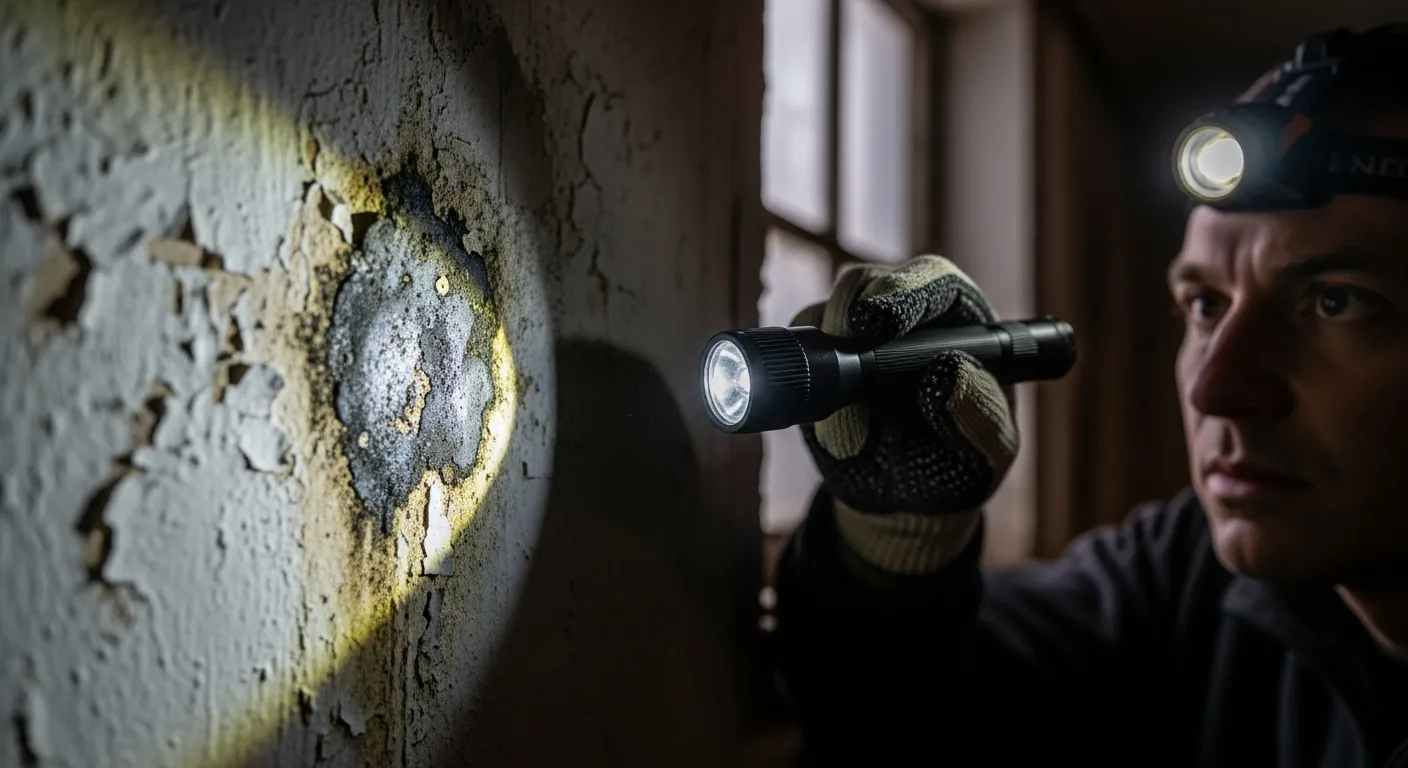
One of the problems some home sellers may hope buyers overlook is water damage. It can lower a property’s appeal and value. Unresolved moisture issues also contribute to mold growth and material deterioration. While this does not mean that every home with a history of water damage is a bad investment, the important thing here is to know what happened and whether it has been properly repaired.
Since most sellers will not volunteer this information, the onus is on you, the buyer, to carefully inspect the home and ask the right questions. However, you need to know what to look out for before you make a decision.
How to Spot Current and Previous Water Damage
Some signs of water damage are obvious. Others are easier to miss during a quick viewing. You should be on the lookout for:
- Brown, yellow, or discoloured stains
- Cracked or damaged drywall
- Bubbling or peeling paint
- Soft or swollen areas
When inspecting a house for water damage, do not stop at eye level. Look around the windows, beneath sinks, behind toilets, and near water heaters. These areas can reveal leaks that have been repaired or even active water problems.
Flooring and Woodwork
On flooring and woodwork, a buckled laminate, warped hardwood, or swollen baseboards are often signs of water damage. In some houses, you can see stained carpeting or flooring that appears newer than the surrounding material. A recently replaced section is not automatically a red flag. However, you should ask why it was replaced. It could be as a result of a previous leak or flooding event, all information that could influence your buying decision.
Smells and Odors
A musty odor deserves your attention, especially when it is present in basements, crawlspaces, closets, and rooms with limited ventilation. While an odor does not prove water damage, it can point to a moisture problem that you should look into. Also look for visible mold growth, as it means there’s a source of moisture that needs to be identified.
Basement and Exterior
Basement water damage can result from plumbing leaks, poor drainage, or stormwater intrusion. However, these factors are often localized. For instance, the water damage Kansas City homes may experience will vary from that of any other city. You have to consider local weather and property drainage when evaluating a home’s moisture history. Walk around the property after or during wet weather to check whether gutters and downspouts direct water away from the foundation. Look for areas where soil slopes toward the house or where water appears to collect.
Ask the Seller Direct Questions
Whether you spot a possible problem or not, you should ask the seller specific questions about the house. Don’t simply assume all has been fixed or that there’s no water damage history. Ask:
- Has the property ever experienced flooding, leaks, or water intrusion?
- What caused the water damage?
- When did it happen?
- Which areas of the house were affected?
- Was professional restoration performed?
- Was the source of water permanently corrected?
Your interest should be in whether the event was a one-time occurrence or a recurring pattern.
Always Request the Paperwork
A seller can make any claim about the state of the home. Their explanations may be useful, but documentation is better. For clarity and assurance, request available:
- Repair invoices and receipts
- Previous home inspection reports
- Water damage or moisture assessment reports
- Building permits for relevant repairs
- Contractor reports
-
Warranties for replacement materials or repair work
When to Get a Professional Assessment
A standard home inspection is an important part of the buying process. However, it may not answer every question you need about moisture or water damage. You should consider a specialized water damage inspection or moisture assessment, especially when you notice water stains, visible mold, or warped materials.
A structural assessment will be worthwhile when water intrusion appears to have affected important structural components. The goal is not to find a reason to walk away from every house. You only need to understand the condition of the property before committing to a major purchase.
Endnote
The presence of water damage does not mean you should reject the house. While you should be cautious when you see fresh paint, new flooring, or a recently replaced drywall, an explanation of why the work was necessary is essential. Ask questions, review records, and compare the evidence with what you can see. Bring in a professional if necessary. Know that documentation can help distinguish routine remodeling from repairs covering previous damage.


