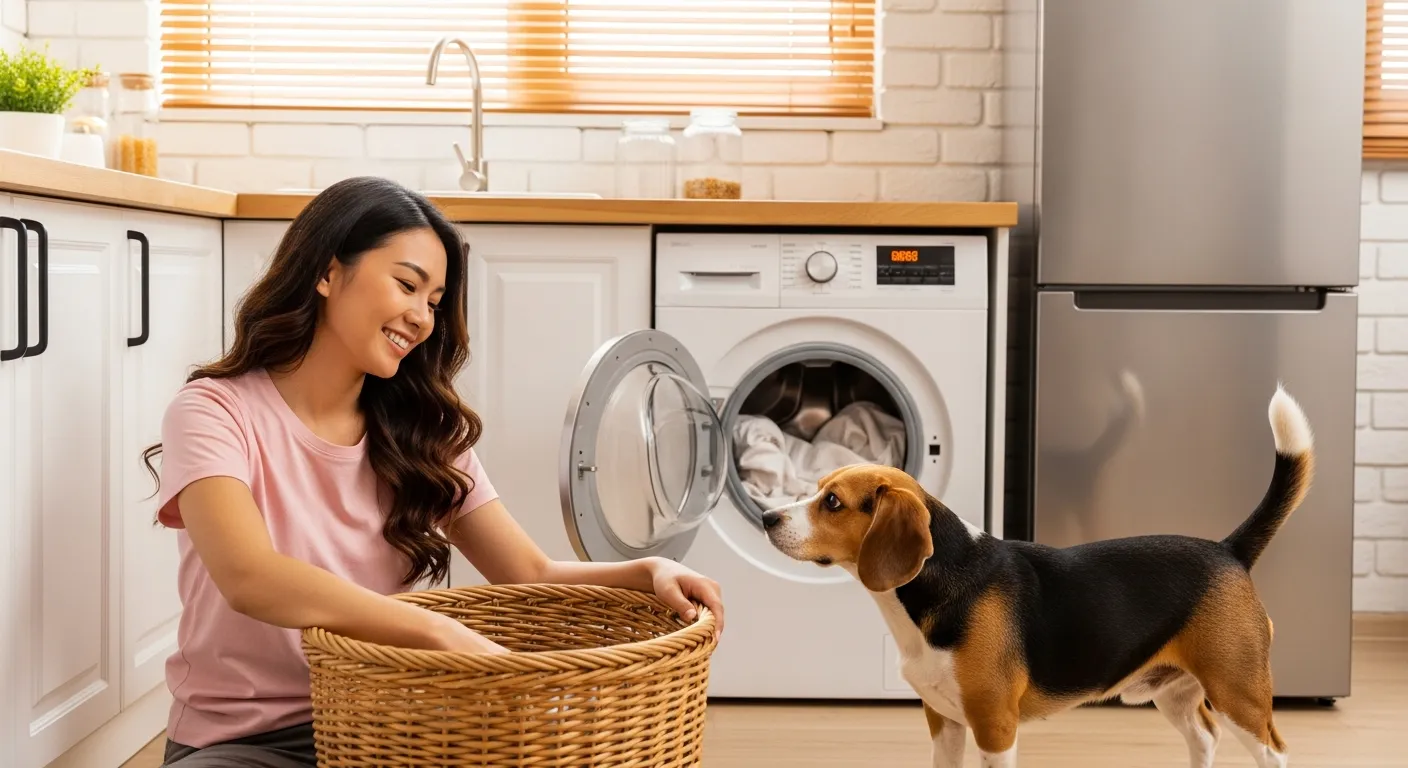
If you share your home with a furry friend, you must have already experienced pet hair everywhere, including on your freshly washed clothes. Sometimes, even if you put your fur-trimmed clothes in the machine, all the hair sticks to other clothes. Pet hair is really challenging to remove because it clings to fabric fibers. Pet hair remains stuck to clothes even after washing due to static electricity, moisture, and the texture of certain materials.
Sometimes a regular wash cycle is not enough to loosen or remove fur, so you may need pet hair removers or dissolvers. These help separate pet hair from fabrics so it can be rinsed effectively. There are several pet hair dissolvers for laundry that you can use. To help you choose the best one, this blog discusses a few best-rated options.
What is a Pet Hair Dissolver for Laundry?
A pet hair dissolver is a specialized laundry additive that uses active oxygen or enzymes. These active ingredients help break down and dissolve keratin bonds in the hair. When added directly to the wash cycle, it melts the hair and breaks it into microscopic particles that are easily washed away during the rinse cycle. The best part is that it does not clog the drains.
However, do not confuse it with pet hair remover and laundry additives, as all three differ in many ways. Pet hair remover mechanically traps and pulls existing hair off the fabric. Whereas laundry additives only help with general stain lifting, fabric softening, and odor neutralization.
Best Pet Hair Dissolvers for Laundry
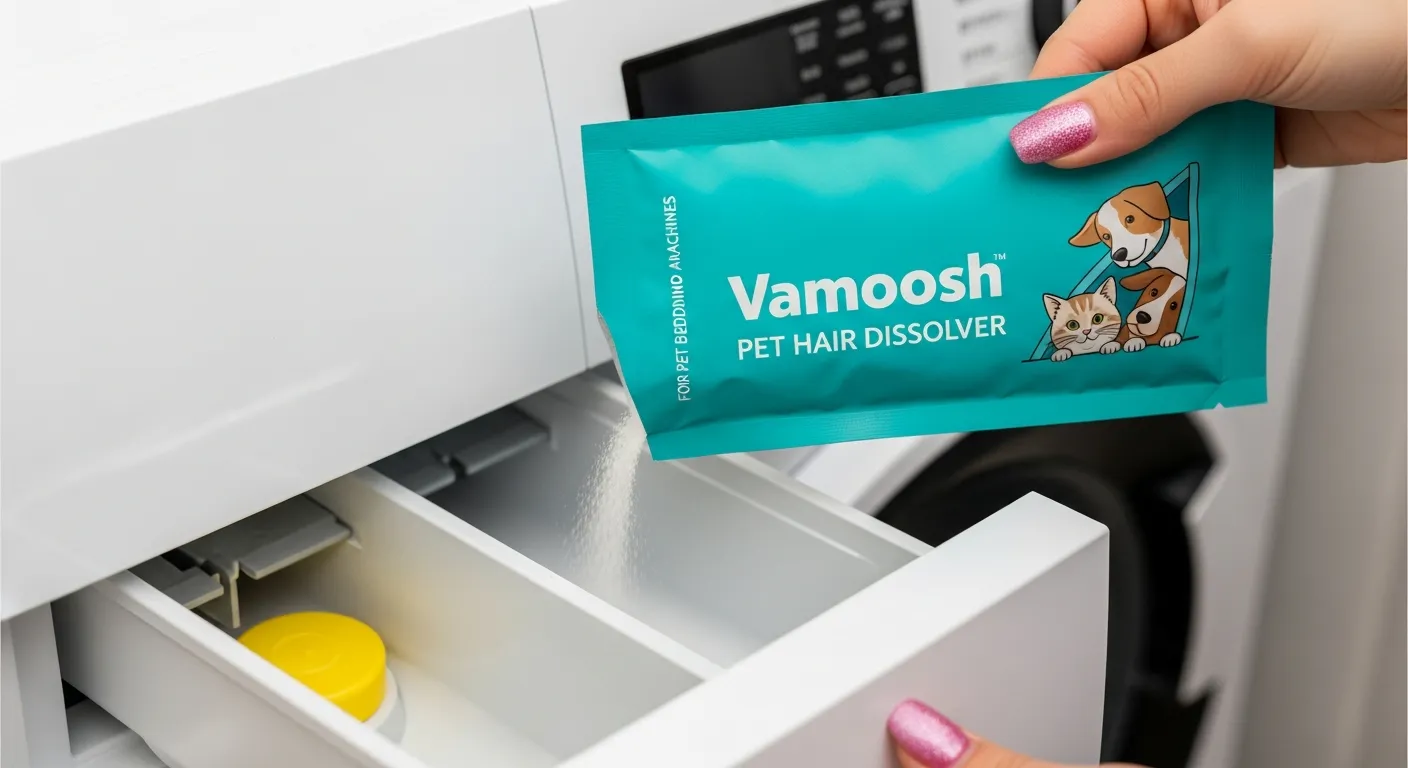
Vamoosh Pet Hair Dissolver
Key Features
- Contains active oxygen formulas that help break bonds between the hair and help dissolve them easily.
- Prevents hair clogs in the machine’s filter and pipes.
- Neutralizes pungent pet odors and removes bacteria often found on pet bedding.
- Leaves clothes and beddings with a subtle cotton-fresh smell.
- It is easy to use: just add the powder directly to the machine drum along with the standard detergent.
Pros
- They are hygienic as they reach temperatures high enough to kill germs and bacteria that might infest the bedding.
- They do not damage the appliance.
- They do not leave harsh residues behind.
Cons
- Cannot be used on dark-colored items, as active oxygen can cause fading.
- It shouldn’t be used for wool or silk fabric.
- Might be costly, as you need to purchase treatment sachets in addition to your standard laundry detergent, adding to household expenses.
- The enzymes require an extremely hot wash cycle (85℃ to 95℃) to activate, which can damage the heat-sensitive clothes.
Best for
- 100% white cotton
Rating
- Between 4.4-4.7 stars out of 5
Seedshub Pet Hair Dissolver
Key Features
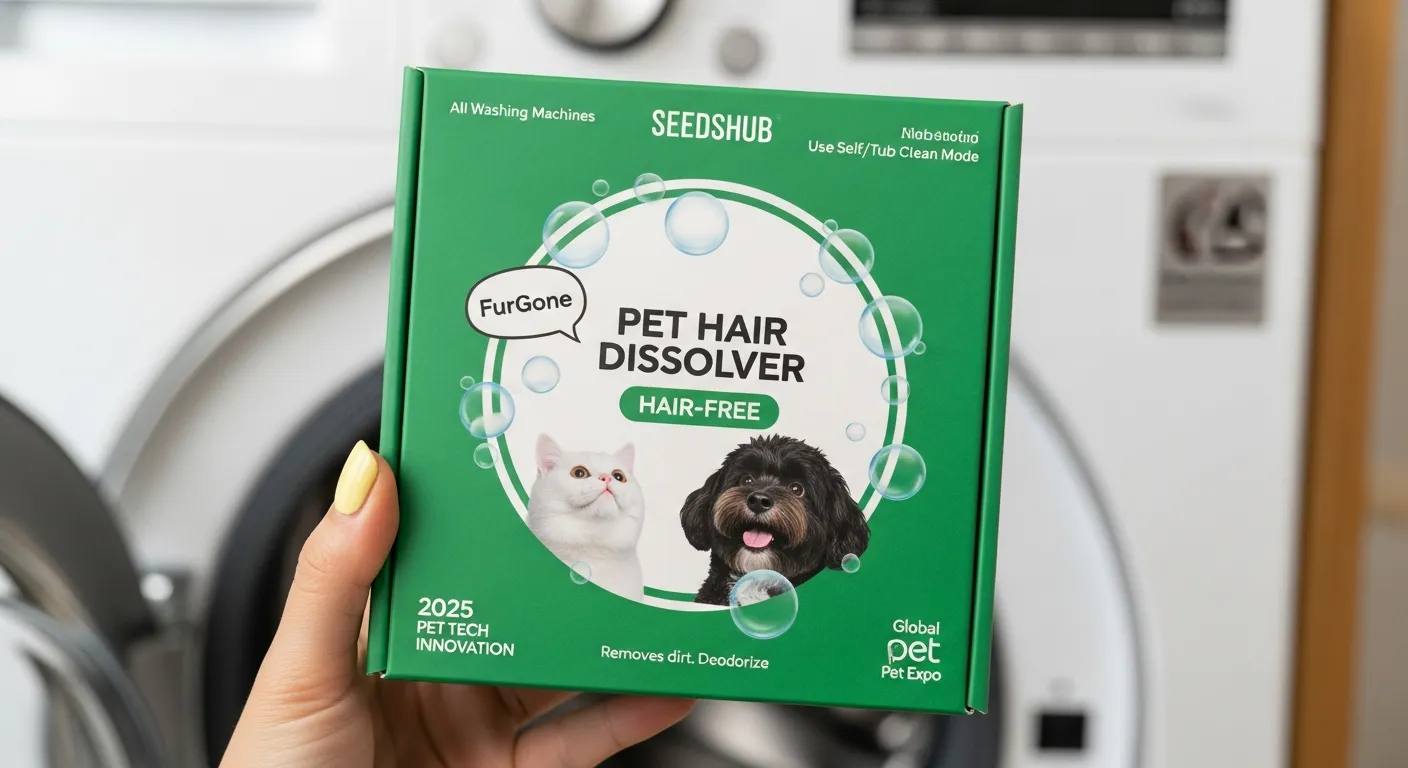
- You only need 1-2 sachets on the first application to ensure a thorough clean-up of the accumulated hair. You may need another rinse cycle so that there’s no residue left.
Pros
- No pre-soaking needed. All you need to do is add one sachet of the Seedshub pet hair dissolver to the machine and run the rinse cycle.
- Can be used in washing machines and dryers. This helps remove trapped loose hair so that it does not stick to the clothes.
Cons
- It cannot be used for delicate fabrics such as wool or silk.
- If you have an older washing machine, this may not work well.
- It is more expensive than standard laundry detergent.
- Some users find it less effective than the usual detergent.
Best for
- Can be used on all types of fabrics, except silk and wool
Rating
- 4.99 stars out of 5 (as per the official website)
DIY Pet Hair Dissolver Alternatives for Laundry
Apart from the commercial cleaners and hair dissolvers, there are some DIY cleaning methods that can also work effectively:
White Vinegar
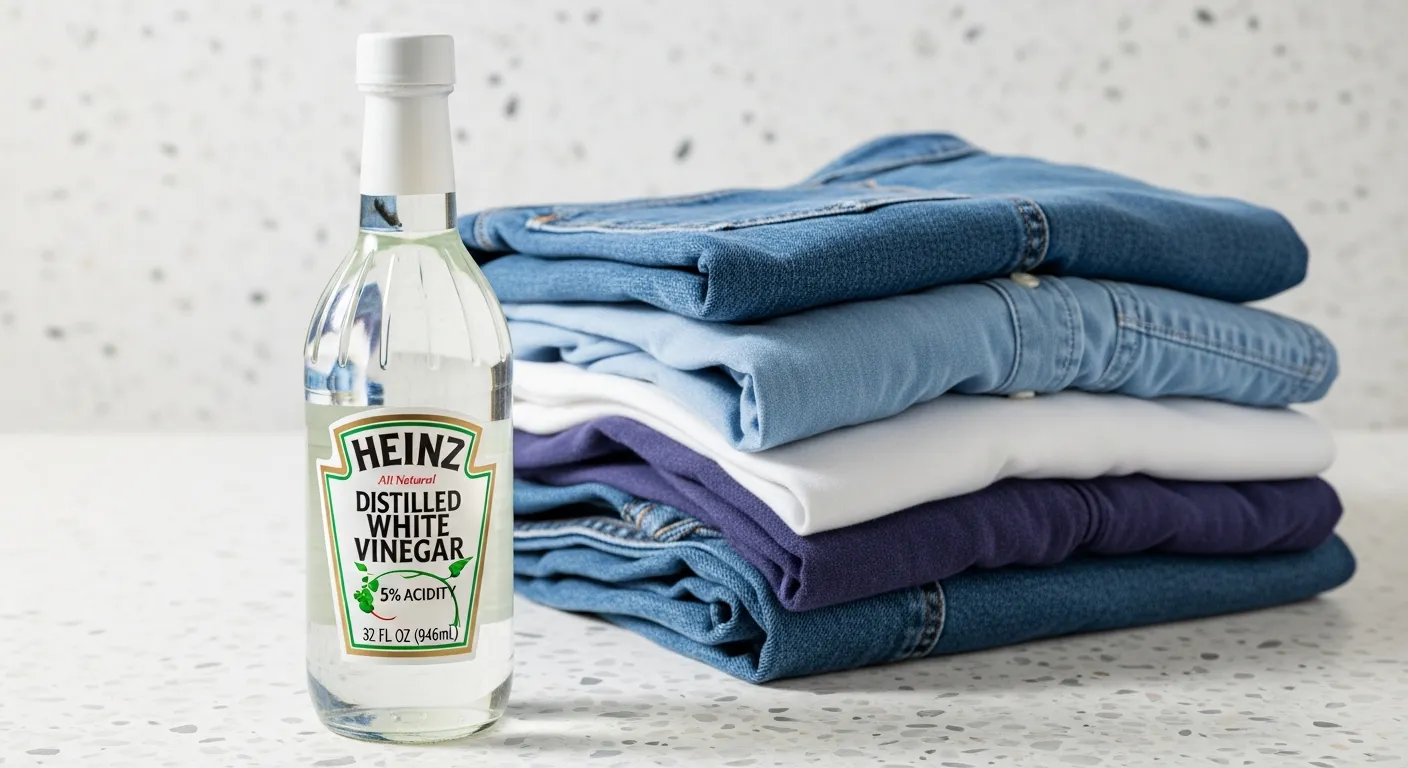
White vinegar is a natural fabric softener that helps loosen pet hair. You can add 1/2 cup of distilled white vinegar to the machine’s rinse cycle. It is advisable to check the user manual thoroughly, as frequent additions of vinegar can damage the machine.
Wool Dryer Balls
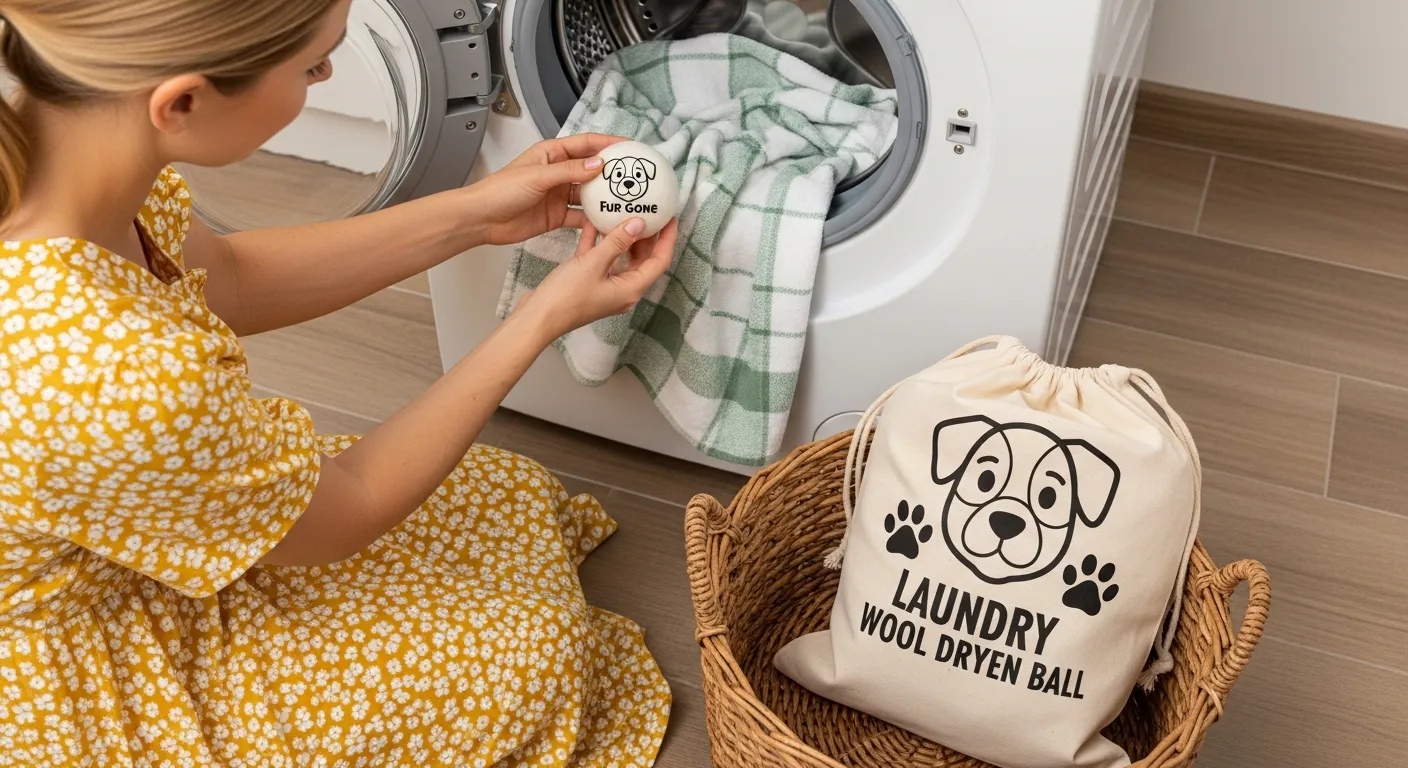
Dryer balls are one of the best alternatives to fabric softeners and pet hair dissolvers. Dryer balls reduce static electricity and promote faster drying. Wool dryer balls create an electrostatic charge that traps pet hair. For the best results, spray the wool dryer balls with water before use. Cleaning the fur from the balls is necessary; just gently brush the collected pet hair with a toothbrush.
Damp Rubber Gloves
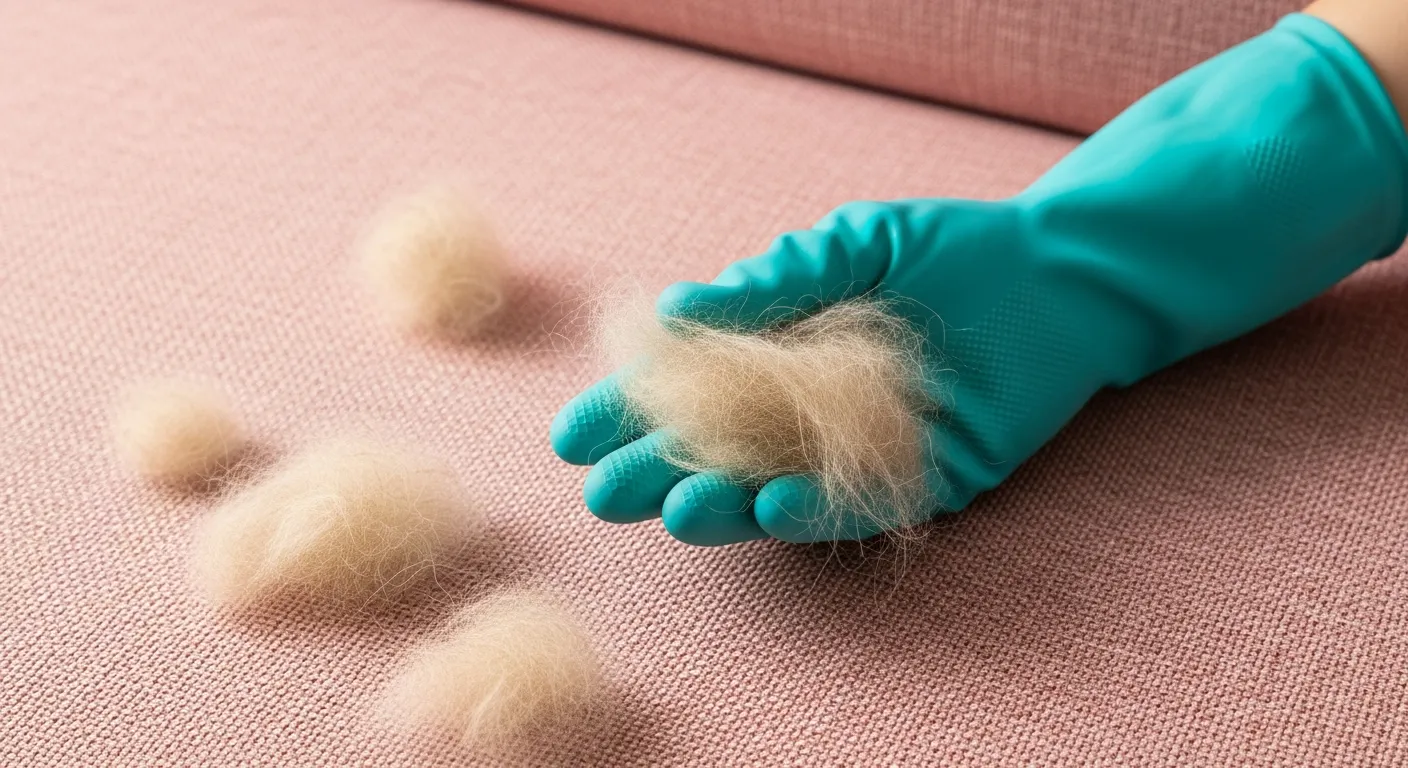
Rubber products, such as brooms and grooming tools, can remove pet hair from clothes. This is easy to use; just run the gloves over the fabric. Doing so can lift loose fabric before washing. You can use any old gloves to make it more cost-effective.
Microfiber Cleaning Cloth
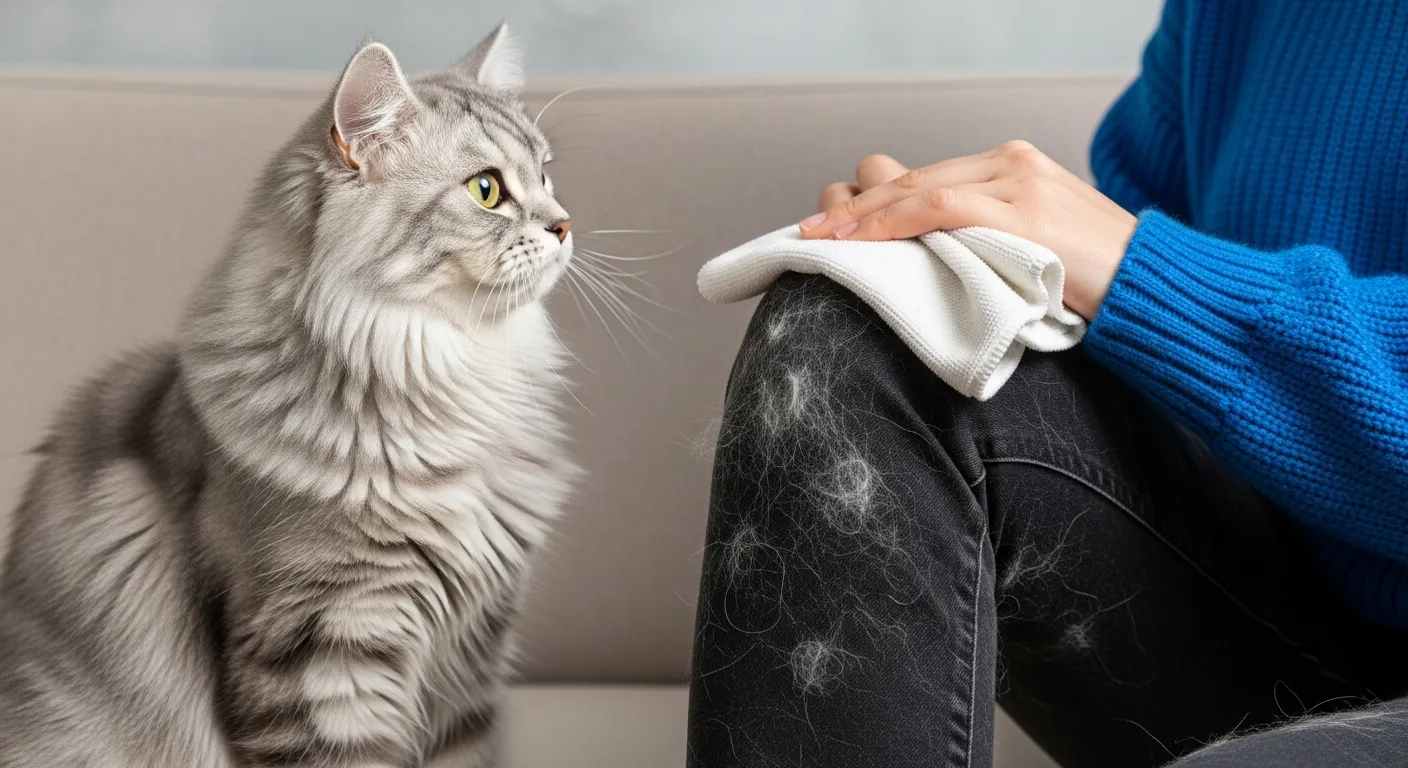
Microfiber clothes can also be used to remove pet hair. Dampen the cloth and wring it thoroughly to remove excess water, then wipe the fabric from top to bottom. This process can pick up fur. You can also repeat the process if needed.
Laundry Balls for Pet Hair Removal
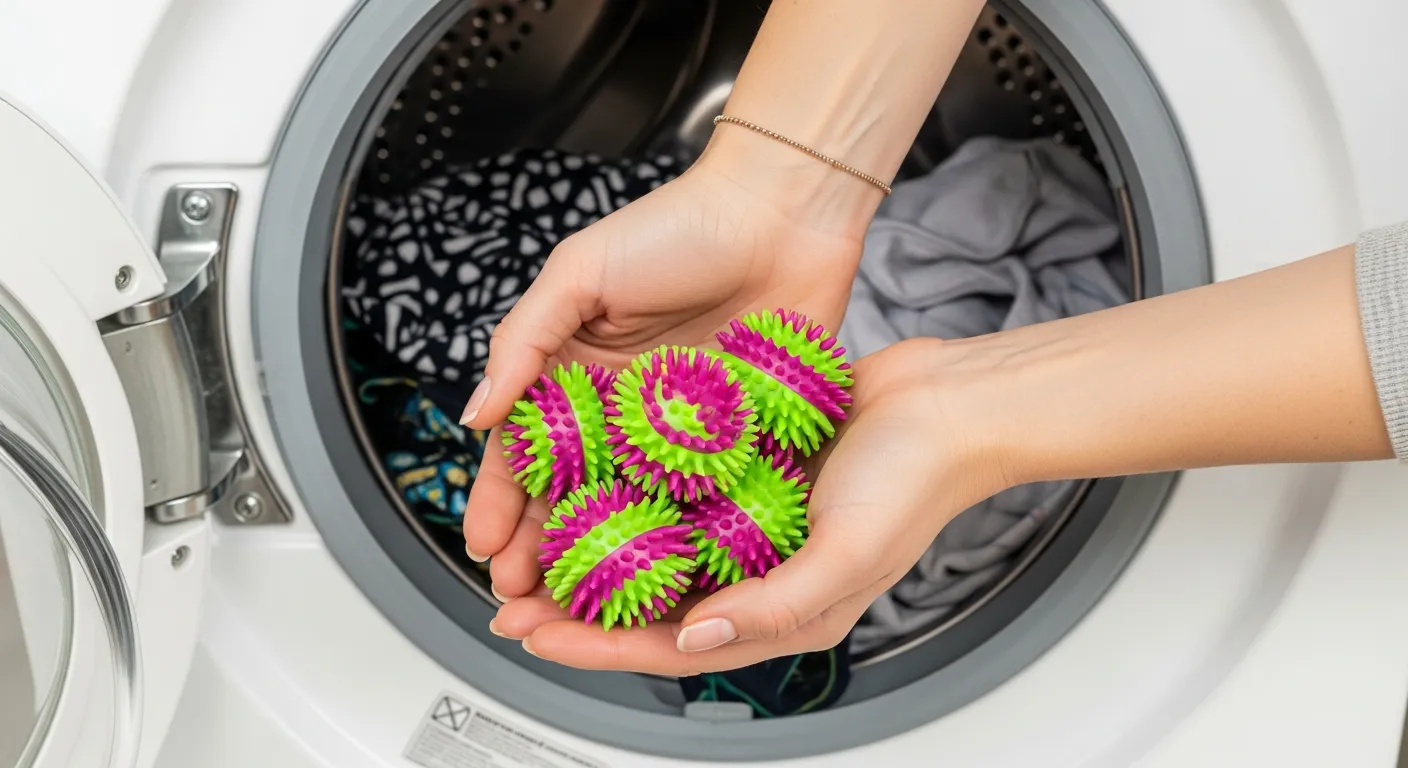
Laundry balls have a spiky or silicone surface, which beats against the fabric to loosen the stubborn pet hair and also helps prevent the clothes from tangling.
Use a Dryer
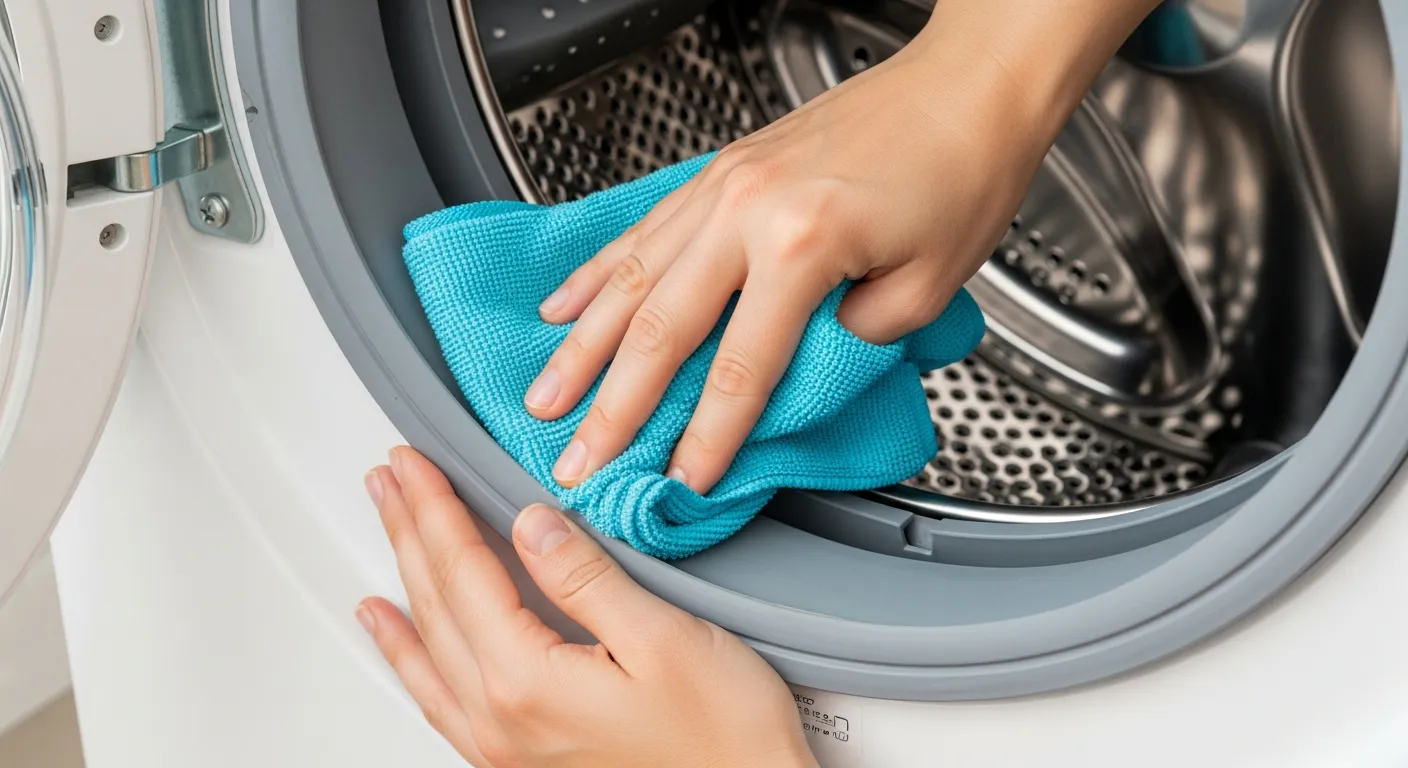
The dryer in the machine can be used to remove the pet hair. Set the temperature to the coolest setting, which helps the dryer suck all the hair out of the drum. After using the dryer, clean the drum with a microfiber cloth. If you do not have a microfiber cloth, vacuum the drums of the washer and dryer.
Use a Window Squeegee
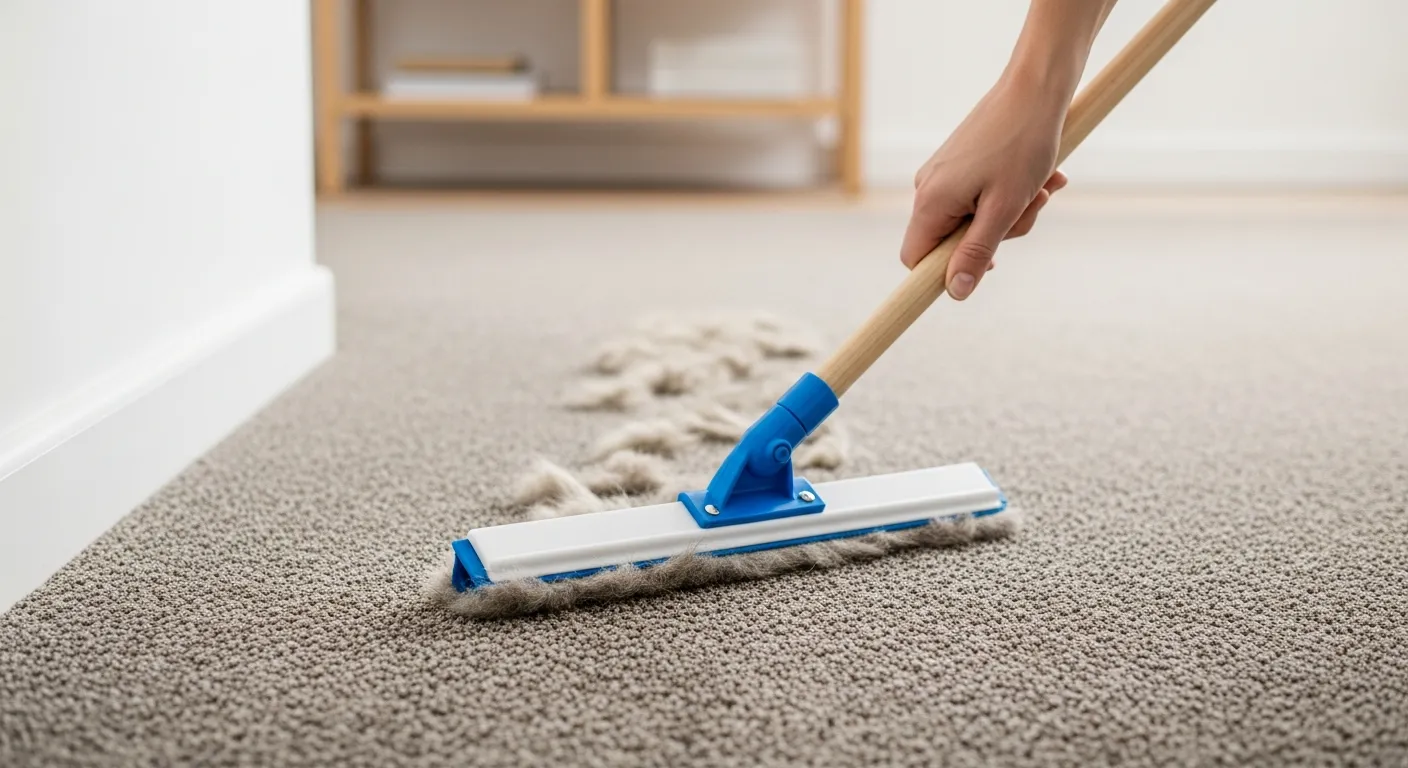
A window squeegee is a standard rubber-tipped tool used to remove pet hair from carpets and couches. Move it across the surface in short, fast strokes. This movement helps the rubber edges to gather the hair.
Do DIY Pet Hair Removers Really Work?
DIY pet hair removal methods do work, and the best results often come from combining multiple methods. It uses friction, static electricity, and directional texture to collect pet hair from fabrics and remove it. When techniques such as rubber gloves or squeegees are used, they create friction, whereas dryer balls create static electricity, which helps remove hair more easily.
Pet Hair Dissolver vs. Pet Hair Remover: What's the Difference?
A pet hair dissolver uses chemical enzymes and active oxygen to break down the fur in the wash. A pet hair remover is a tool, such as a rubber brush, a Velcro roller ball, etc., that traps hair and lifts it from the surface. Here’s a table of differences between the two:
| Features | Pet Hair Dissolver | Pet Hair Remover |
| How does it work? | Uses chemicals to break down the keratin in the animal hair in hot water, which turns them into liquid, allowing them to leave the fabric easily. | Uses the concept of friction, static electricity, rubberized friction, and sticky adhesives to remove the hair physically from fabric and collect in one place. |
| Best Used for? | Washing heavily coated pet beds, blankets, and towels | Brushing clothes, cleaning couches, daily maintenance, and sweeping car upholstery |
| Requirements | They usually require high-temperature wash (around 85℃ - 95℃) to activate and work effectively. | Requires physical effort or regular tumbling in a dryer |
How to Remove Pet Hair From Laundry Effectively?
Here’s how to remove pet hair from laundry effectively:
Shake Clothes Before Washing
Shaking off the clothes before washing is a good idea. It helps remove loose pet hair, which can then be collected with a broom or a vacuum designed specifically for pet hair. You can do this outside to ensure that the hair does not get onto other clothes or nearby furniture.
Consider the “Dry, Wash, and Dry” Method
Place the fur-covered clothes in the dryer and set it to a short, no-heat tumble cycle. This loosens the pet hair and gets it caught in the lint screen, which makes removal of fur easy. Then, wash the clothes and dry them again as usual.
Clean Lint Trap
Ensure you are using a clean lint trap, as it helps remove pet hair through a combination of heat, tumbling, and air suction. As the dryer heats up, the fabric fibers become more flexible and softer, which helps loosen pet hair from the fabric. The tumbling motion shakes the clothes, which causes them to rub against each other. Thus, helping dislodge the hair that clings to the fabric.
As the hair comes free, the dryer’s powerful airflow carries the lightweight strands toward the lint screen. The lint trap then captures pet hair before the air is vented from the machine, leaving less fur on clothes by the end of the cycle.
Use a Hair Removing Roller
Before washing the clothes, use a hair-removing roller on them. There are several reusable options that use static to attract hair. There are some sticky rollers available, too, which are best for larger items, such as blankets or carpets.
Common Mistakes That Leave Pet Hair on Clothes
Laundry mistakes can cause pet hair to clump and weave deep into the fabric. You should understand the don’ts to make sure you remove the pet fur from your clothes during the wash:
Overloading the Washer
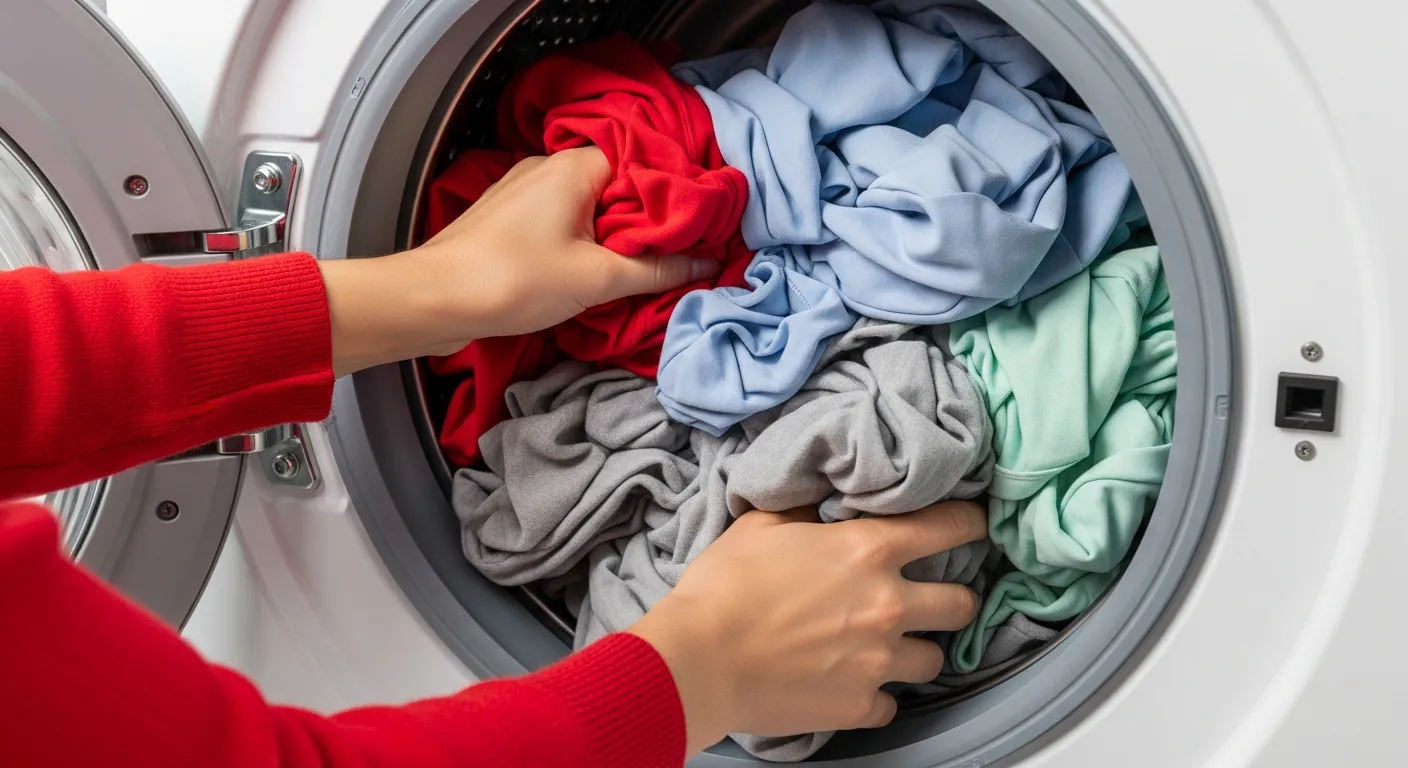
Do not stuff the drum with clothes, as excessive clothing leaves no room for the fabric to agitate freely. This causes the hair to remain trapped between layers of clothing rather than rinsing away. Ensure not to fill beyond 2/3 of the maximum capacity.
Skipping the Dryer Cycle
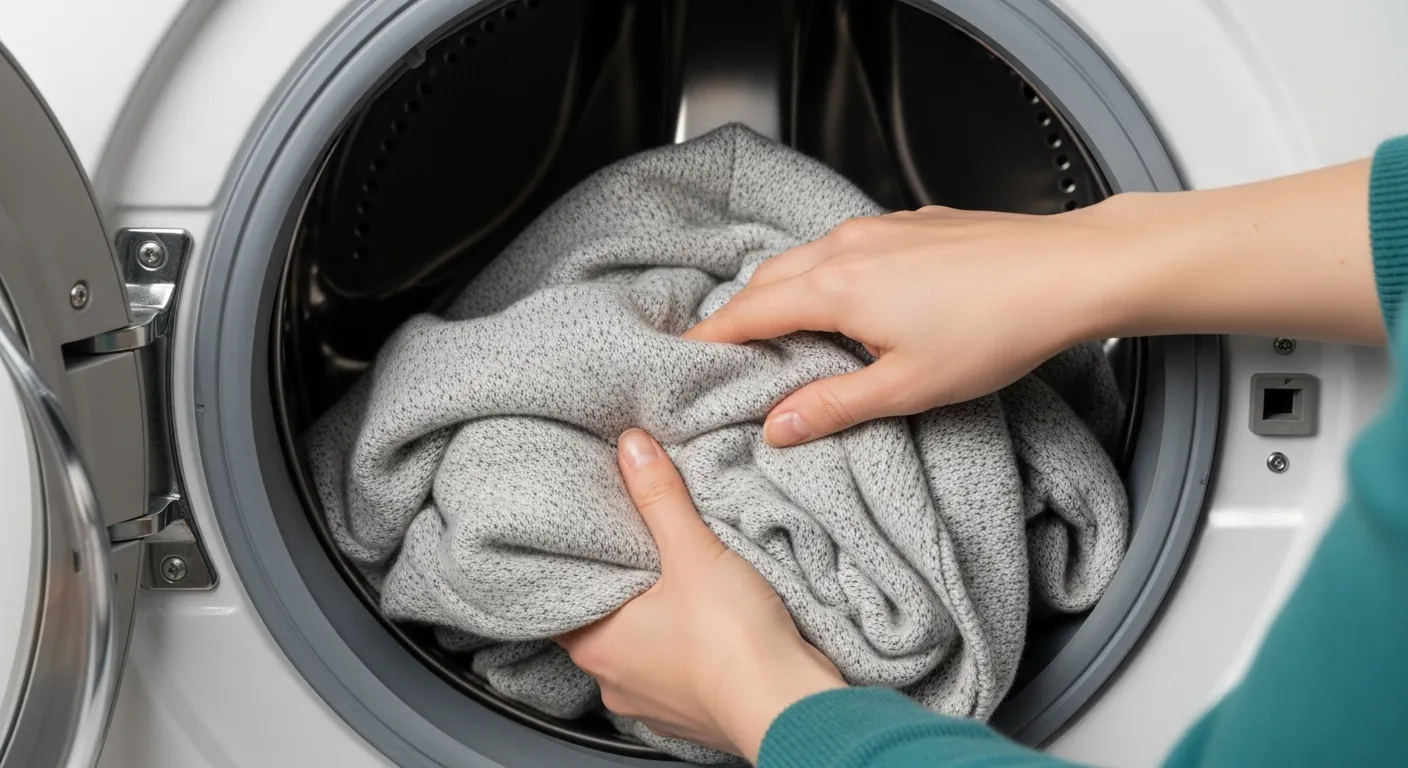
As discussed above, tossing your clothes in the dryer before and after a wash is one of the best tricks to get all the hair out. Running a 10-minute, no-heat “air fluff” cycle loosens stubborn fur and collects it in the machine's lint trap.
Clogged Filters
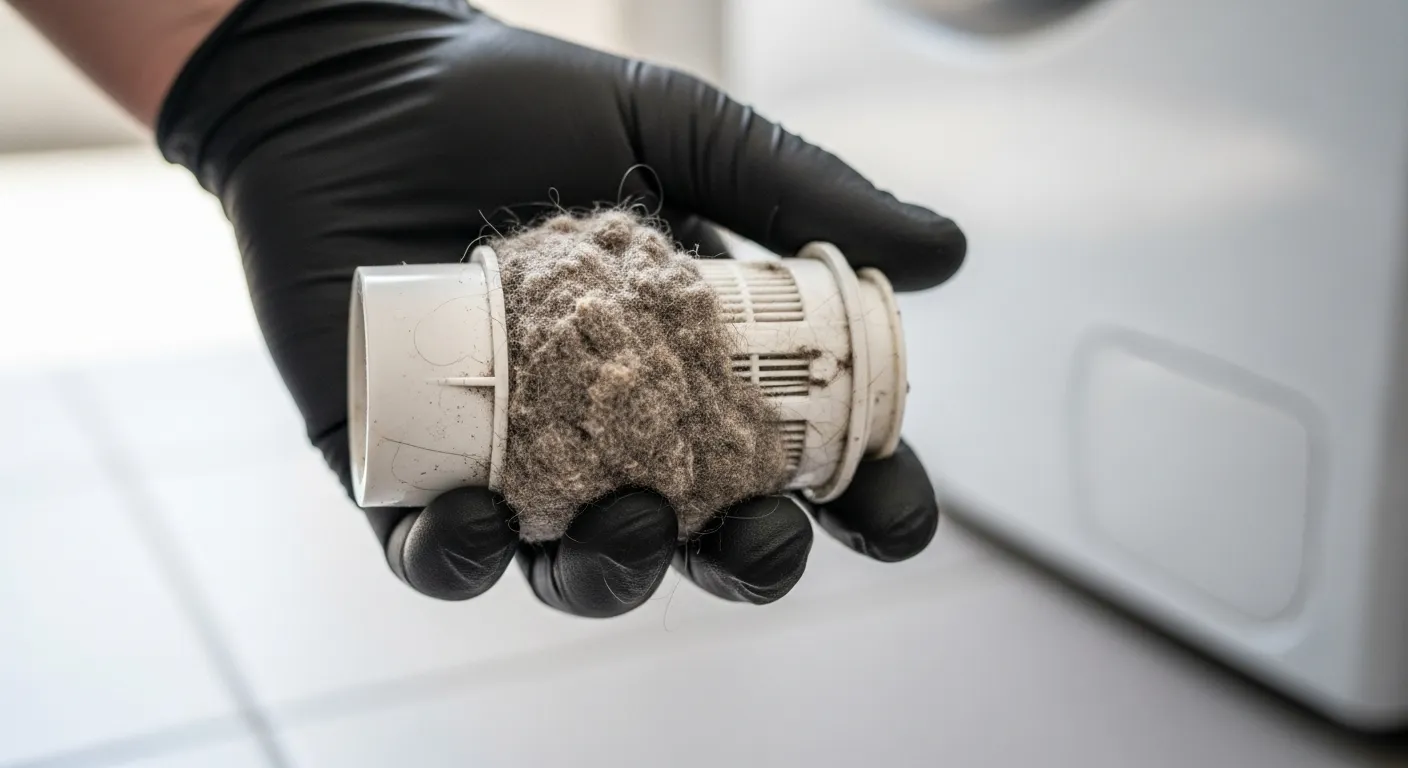
The dryer cannot function properly if the lint trap is full or the vent hose is blocked. This causes the loose hair to remain in the drum, which might attach to another load. Hence, you must clean the filters to ensure better airflow. Also, you must check the washer drain, as using a pet hair dissolver melts the hair, which then gets deposited in the drain, causing plumbing issues.
Using Too Little Water
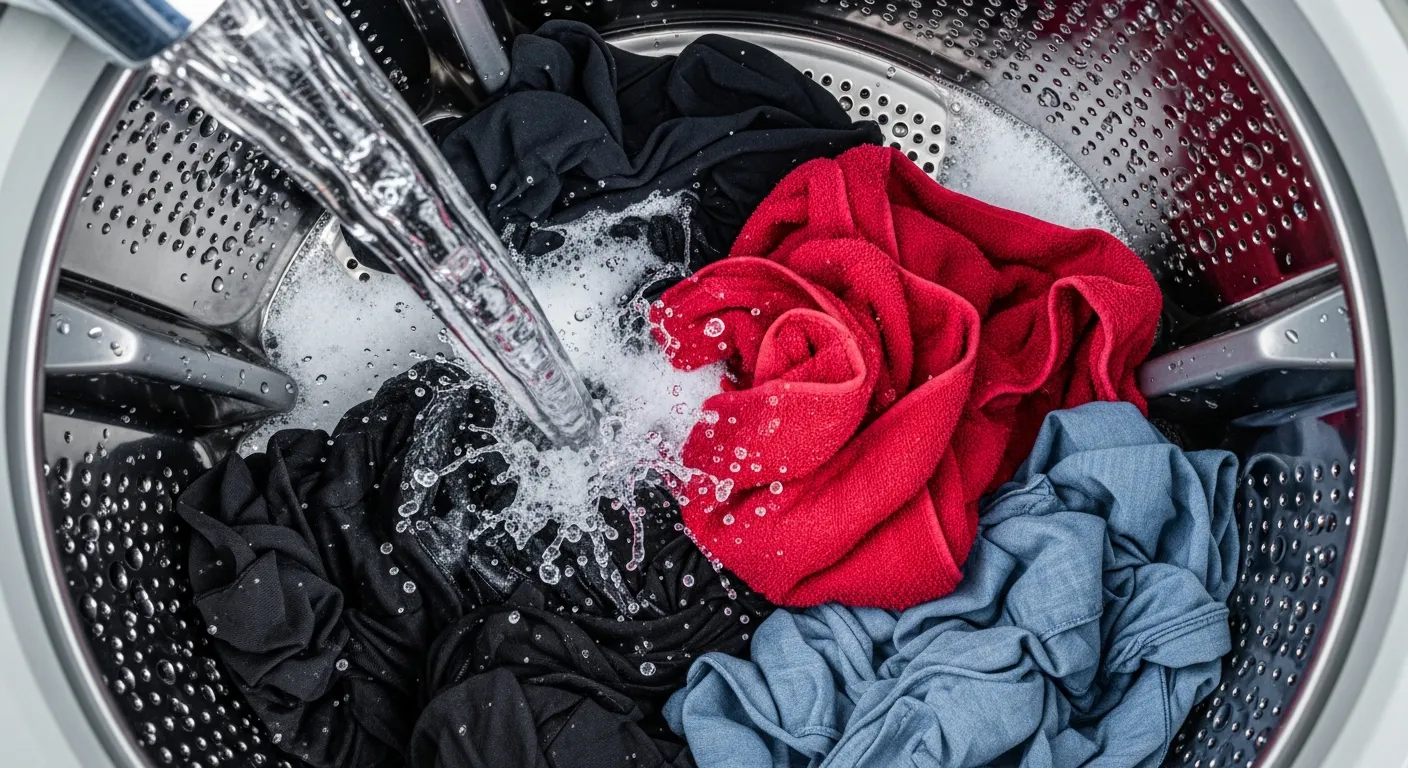
Washing in very little water does not rinse the hair away. Instead, it forces pet hair to clump and redeposit on the fabric, which stresses the machine’s drainage. So, always fill the water to a sufficient quantity or set the cycle to extra rinse so the loosened hair floats to the top and drains away.
Are Pet Hair Dissolvers Safe for Washing Machines?
Yes. Pet hair dissolvers can be used for machines. They have active enzymes that break down the keratin in the hair and do not cause damage to the machine’s plumbing or internal mechanics. Here are some machines that can use pet hair dissolvers:
HE Washers
HE machines use less water and can trap hair inside the seals and pipes, making dissolvers highly effective at preventing sludge buildup.
Top-Loaders
In top-loader machines, you can directly pour the dissolver into the drum before starting the wash cycle.
Front-Loaders
Front loaders are more prone to mold and hair buildup in the rubber gaskets, and dissolvers can break down hair in the gaskets, making it easier to flush.
Septic Systems
Most pet hair dissolvers use natural enzymes and biodegradable ingredients. These elements break down the hair completely and do not clog the septic tank.
Conclusion
Pet hair can be a nuisance, but with the right solution, you can easily get rid of it. There are DIY solutions, such as vinegar and wool dryer balls, that can help remove pet hair effectively. In addition, you can also use commercial products, such as Seedshub Pet Hair Dissolver and Vamoosh Pet Hair Dissolver, to dissolve fur. These products also do not clog the pipes and reduce buildup. The best tip is to combine a few methods rather than just relying on just one to reduce hair buildup on the couch, carpets, clothes, etc.