Last spring, I watched a neighbor's new exterior paint job bubble and peel before June was over. The crew skipped the wash, ignored the dew point, and sprayed right over chalky siding.
That shortcut led to a full repaint. In a humid Southern climate, prep and timing are not optional, they are the job.
If you're planning an interior refresh or a full exterior repaint, you need a clear plan for timing, products, color, and hiring. The checklists below will help you compare bids with confidence.
Key Takeaways
A paint job lasts when you match the right prep and products to the right weather window.
- Prep determines how long paint lasts. Ask for washing, scraping, sanding, priming, and repairs in writing before work starts.
- Southern humidity affects product choice and schedule. Use 100 percent acrylic outside and moisture-resistant paint in baths and kitchens, and watch the dew point, the temperature where moisture forms.
- For resale, choose quiet neutrals. Nature-based midtones appeal to more buyers, and large sample swatches help you avoid costly mistakes.
- Plan exterior work for spring or fall. Aim for surface temperatures at least 5 degrees F above the dew point and relative humidity below 85 percent.
- Get three written bids. Each estimate should spell out prep steps, coats, paint lines, and warranty terms.
- Verify credentials. In Arkansas, confirm the required license and, for pre-1978 homes, EPA Renovation, Repair and Painting, or RRP, lead-safe certification.
When to Repaint Interior and Exterior Surfaces
Repaint based on wear and surface type, not the calendar alone.
Interior Timing By Room
High-traffic hallways, kids' rooms, and kitchens wear out first. Repaint when scuffs stop washing off, shiny rub marks appear, or old water stains still show after the leak has been fixed.
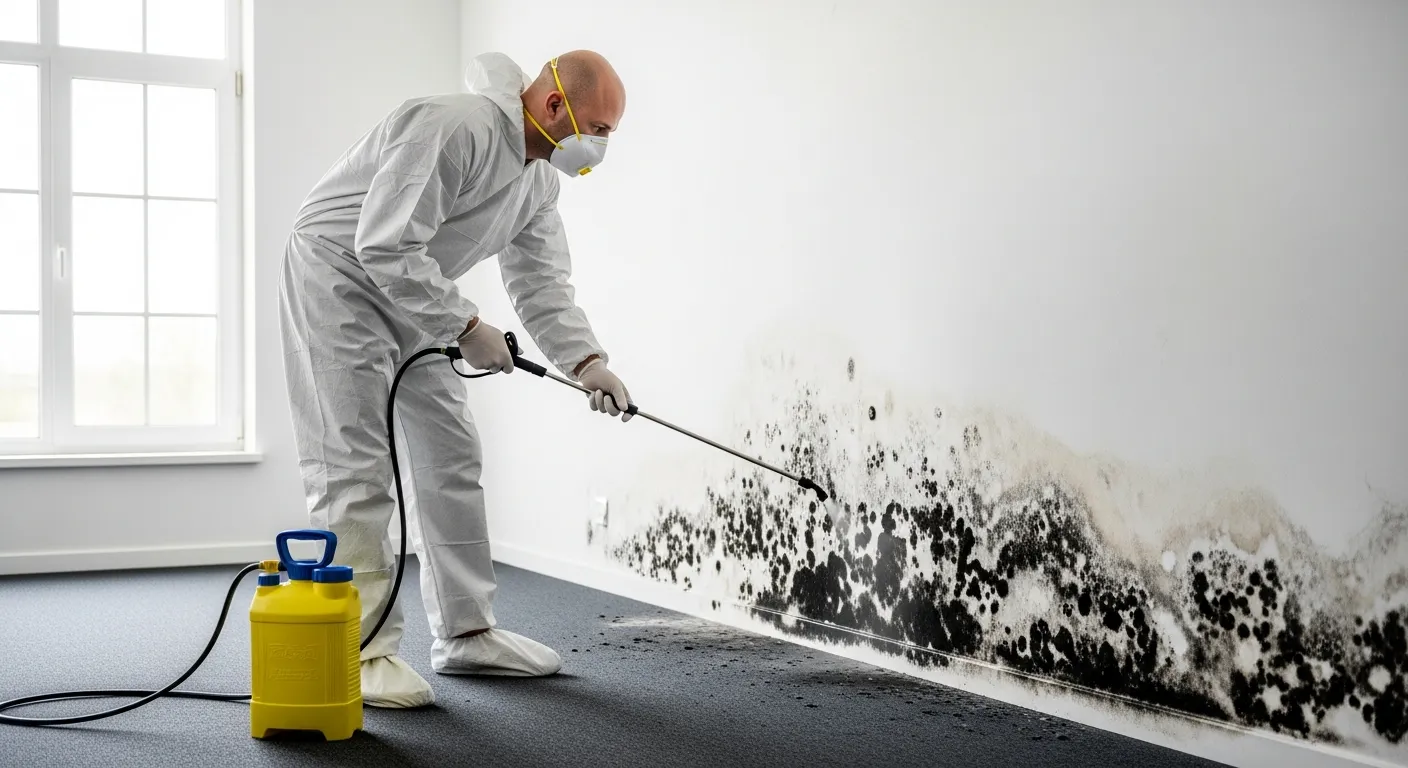
Bathrooms and laundry rooms need faster attention if you see mildew, peeling around vents, or paint that stays tacky after steamy showers. Ceilings and low-traffic bedrooms last longer, so wait until you see fading, stains, or fine cracks.
For homes built before 1978, any firm that disturbs painted surfaces should be EPA RRP-certified and follow lead-safe work practices.
Exterior Timing By Material
Wood siding usually needs repainting sooner than fiber cement, stucco, or brick, especially on sunny sides of the house. Inspect every year for peeling at horizontal joints, failed caulk, chalky residue, or exposed bare wood.
Trim, shutters, and front doors take the most weather and may need touch-ups between full repaints. If paint is cracking, blistering, or pulling away at the edges, don't wait for a full failure.
Choosing Paint Types and Finishes for Humid Southern Climates
In humid weather, use moisture-ready paint and match the sheen, or shine level, to how hard the surface is used.
Interior Formulas And Finishes
In kitchens, baths, and laundry rooms, choose bathroom-rated paint with built-in mildew resistance. Satin or semi-gloss holds up better to wiping and steam than flat paint.
For living rooms, halls, and bedrooms, eggshell or satin gives you easier cleaning without showing every wall flaw. Low- or zero-VOC paints, short for volatile organic compounds, can reduce indoor air pollution and strong odor during the job.
Exterior Systems
Outside, pair an exterior primer with a top-tier 100 percent acrylic topcoat made for rain and humidity. On shaded sides that stay damp longer, choose products with mildew-fighting additives.
Keep relative humidity below about 85 percent and make sure the surface stays at least 5 degrees F above the dew point. Many modern exterior acrylics can be applied at 35 to 50 degrees F, but the new coating still needs to stay warm and dry for the next 24 to 48 hours.
How to Evaluate a Licensed Residential Painting Contractor
The best contractor is the one who explains prep, products, and scheduling in plain detail.
License, Insurance, And Lead-Safe Credentials
Arkansas requires a Home Improvement residential specialty license for residential projects over $2,000, and that can include painting work. Ask the contractor to confirm the license class covers painting or wallcovering, then verify general liability and workers' compensation coverage for your project dates.
If your home was built before 1978, require an EPA RRP-certified firm. That matters even for simple prep work like scraping loose paint or sanding old trim.
Fayetteville, Arkansas Questions To Ask
If you live in Fayetteville, Arkansas, get three local bids and ask each painter how they handle summer humidity, pop-up storms, and shady elevations that stay damp longer. Local experience matters because a crew that times washing, drying, and start times well is less likely to trap moisture under the coating.
The FTC advises homeowners to get multiple estimates, insist on a written contract, and avoid large up-front payments. Ask for recent local references and, if possible, drive by one or two completed jobs to see how the finish looks from the street.
For a fair local comparison, Fayetteville homeowners can shortlist three bids and include one established Northwest Arkansas company so prep steps, dry time, coat counts, and warranty language are easier to compare on the same scope before work begins, and a practical place to start that vetting process locally is painters Fayetteville AR.
Apples-to-Apples Estimate Checklist
- Scope: rooms or elevations, square footage, and surface repairs.
- Prep: cleaning method, dry time, scraping, sanding, caulking, and primer by brand.
- Products: exact paint line, sheen, and number of coats on each surface.
- Conditions: minimum temperature, humidity plan, and weather backup plan.
- Warranty: labor and material terms, exclusions, and required maintenance.
Color Selection Tips for Resale and Personal Style

Safe resale colors and personal style can work together when you test before you buy. Most home design and lifestyle guides point to the same principle, since the right colour often depends as much on the room's light, surrounding furnishings, and how the space will be used as on broader resale trends.
If you're staying put, give yourself more freedom, but still test large swatches in real light. LRV, or Light Reflectance Value, tells you how much light a color reflects, so higher-LRV colors usually feel brighter in dim rooms.
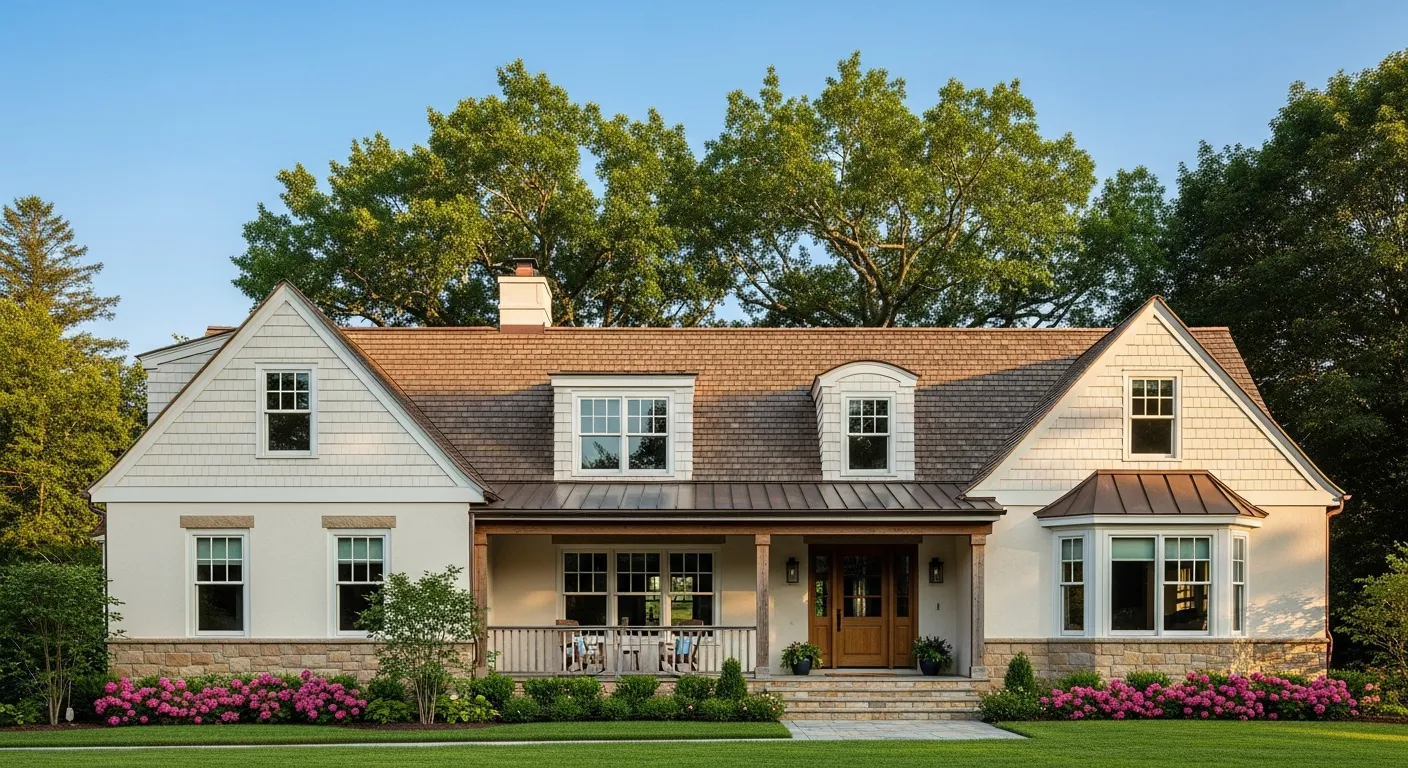
For exteriors, keep the main body color simple and use the front door or shutters for personality. A soft white on trim and ceilings also helps rooms feel connected from one space to the next.
Common Surface Prep Mistakes That Cause Early Failure
Most early paint failure starts with rushed prep, not bad luck.
Painting over dirt or mildew. Wash exterior surfaces well, rinse fully, and give them 24 to 48 hours to dry before painting. Inside, clean kitchen grease, bathroom residue, and smoke stains before the first primer coat.
Skipping sanding or deglossing. Glossy trim and older oil-painted surfaces need roughening or a bonding primer so the new paint can stick. Patched areas also need sanding so they don't flash through the finish coat.
Using the wrong primer, or none at all. Bare wood, patched drywall, water stains, and knotty trim each need a specific primer to seal the surface and block bleed-through. One generic primer is rarely the right answer for every room and every repair.
Ignoring humidity and evening moisture. High humidity during early cure can cause surfactant leaching, a brown or shiny residue on fresh latex paint. Plan stop times so the surface has time to set before dew settles in.
Seasonal Timing for Painting in the South
Spring and fall usually give Southern homeowners the steadiest painting weather.
For exteriors, NOAA and NWS note that Northwest Arkansas summers bring warm temperatures, changing humidity, and frequent sunshine, which makes spring and fall more predictable for painting. Start after morning dew burns off, and stop early enough for the coating to set before evening moisture returns.
Interior work can happen year-round if you control temperature and airflow. Many interior acrylics can be recoated in about 2 hours at 77 degrees F and 50 percent relative humidity, but cool air or muggy weather will slow that down.
Conclusion
A lasting paint job depends on careful prep, smart product choices, and a contractor who plans around Southern weather.
Use these checklists to decide when to repaint, choose finishes that fit your rooms, and compare bids on more than price. Three detailed estimates, verified credentials, and a clear contract will protect your home far better than the cheapest number on the page.