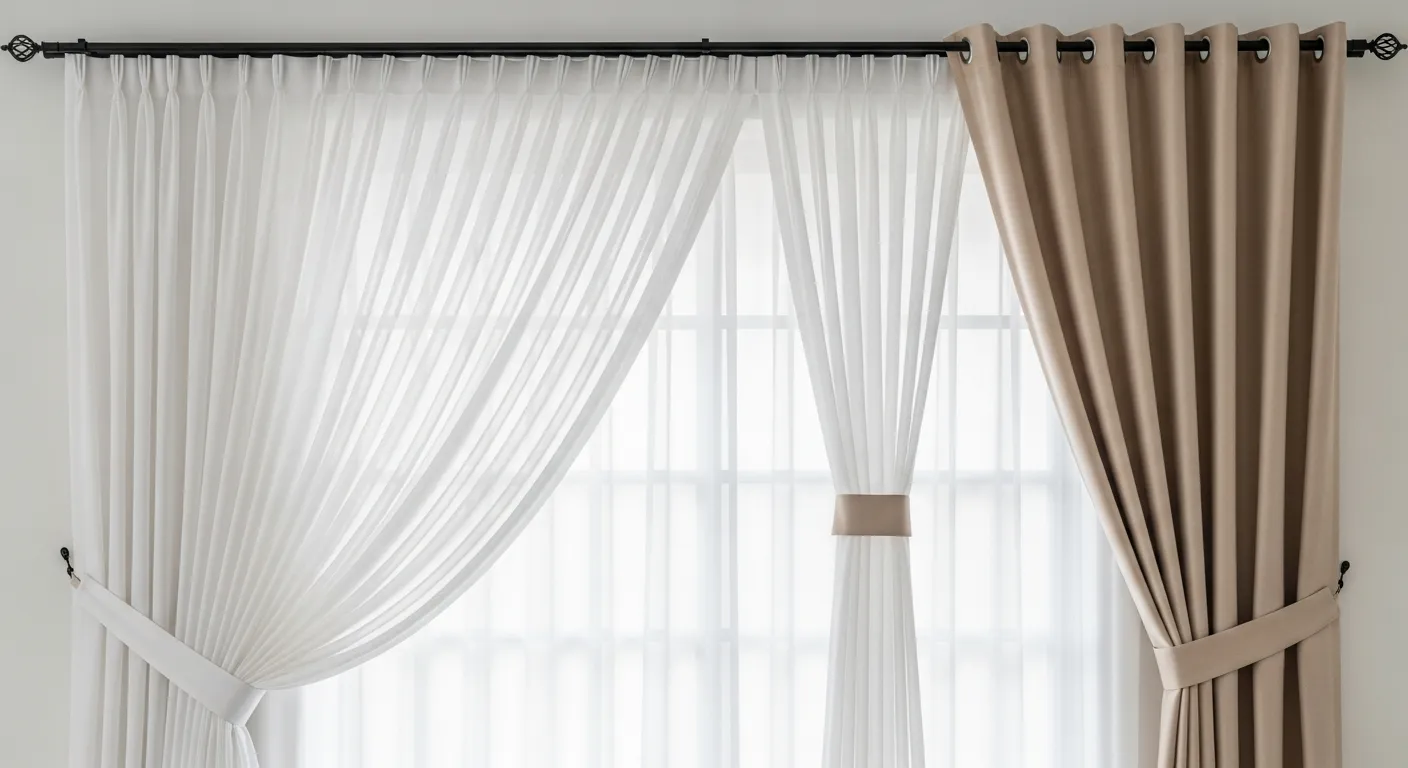
A curtain is the way to dress up the windows with different types of blinds and textiles. Curtains not only add warmth and elegance to the room, but also limit the amount of light received indoors. However, it’s important to know that the curtain has various parts/elements that all homeowners should know. This can help them communicate their requirements to the curtain parts sellers when buying the parts of the curtain parts. This blog discusses the different elements of the curtain parts in detail.
Basic Components of Curtain Hardware
The curtain has multiple parts, including hardware, curtain covers, curtain headings, eyelets, and lining, which is further divided into sub-categories. Here is the detailed explanation of the curtain hardware that helps dress the window:
Curtain Rod
The primary function of a curtain rod is to hold the weight of curtains, blinds, or drapes. There are multiple options in curtain rods you can select, based on the desired look and functionality.
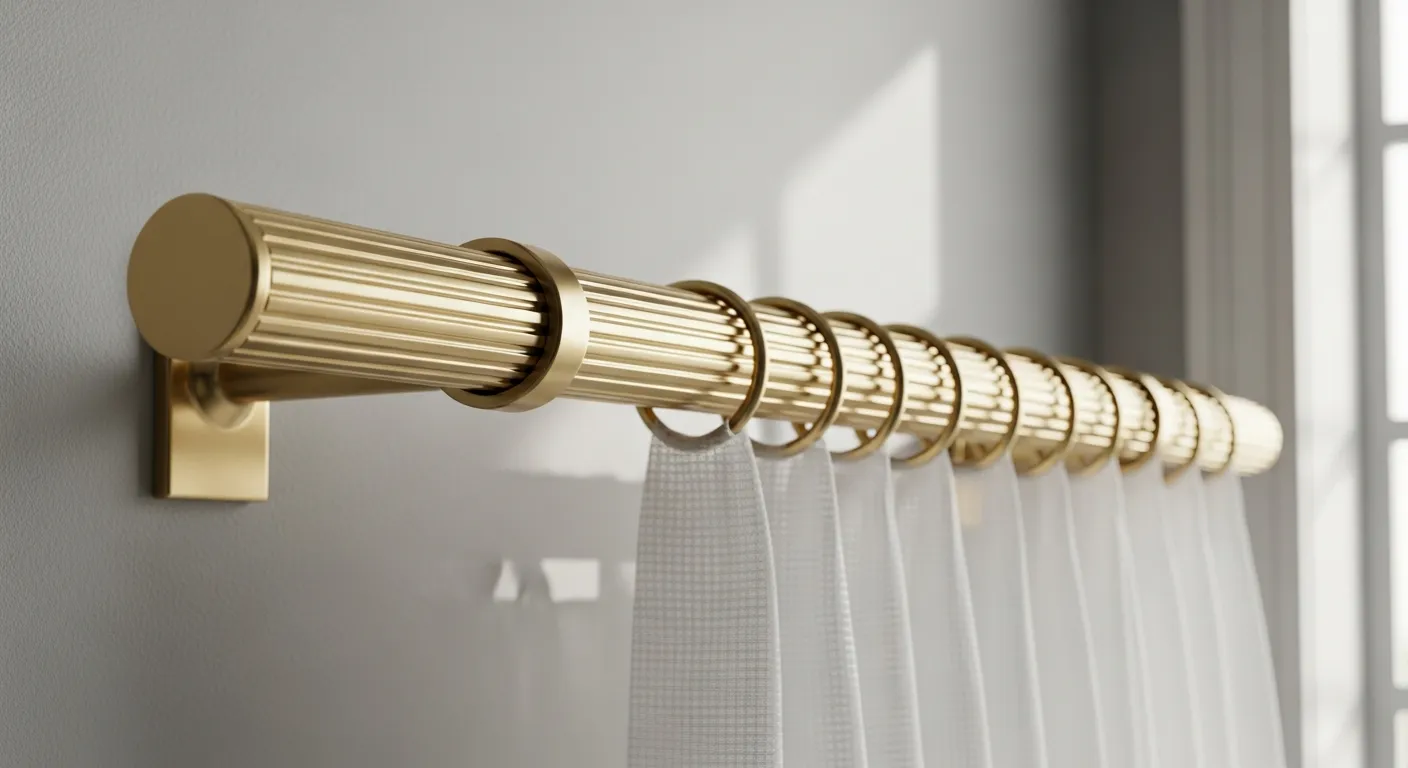
Single Rod: These rods are available in distinct materials and designs, such as brass, wrought iron, simple, and fluted styles.
Double Rod: As the name suggests, it has two rods to hang two different layers of curtains.
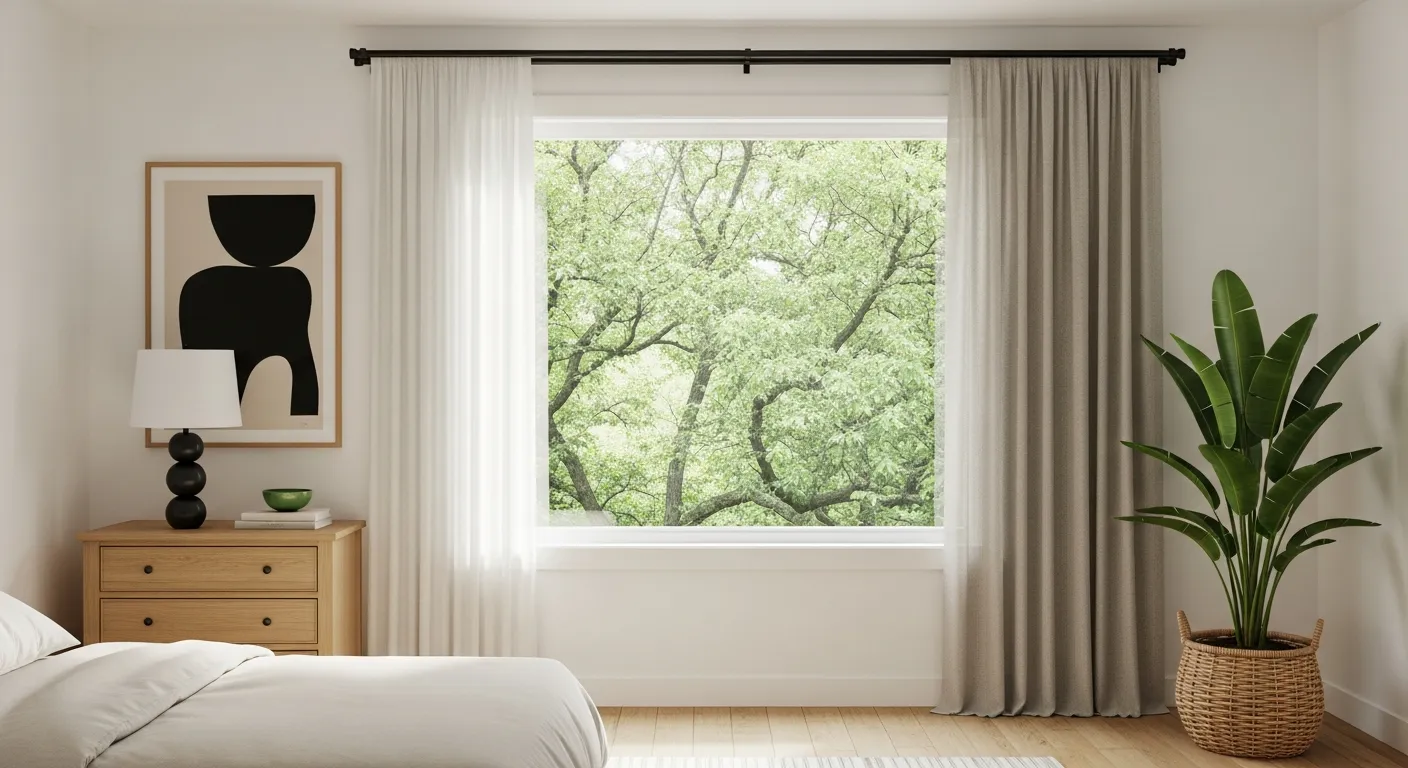
Concealed Rod: These rods hide behind the hung curtain, allowing the drape to steal the attention.
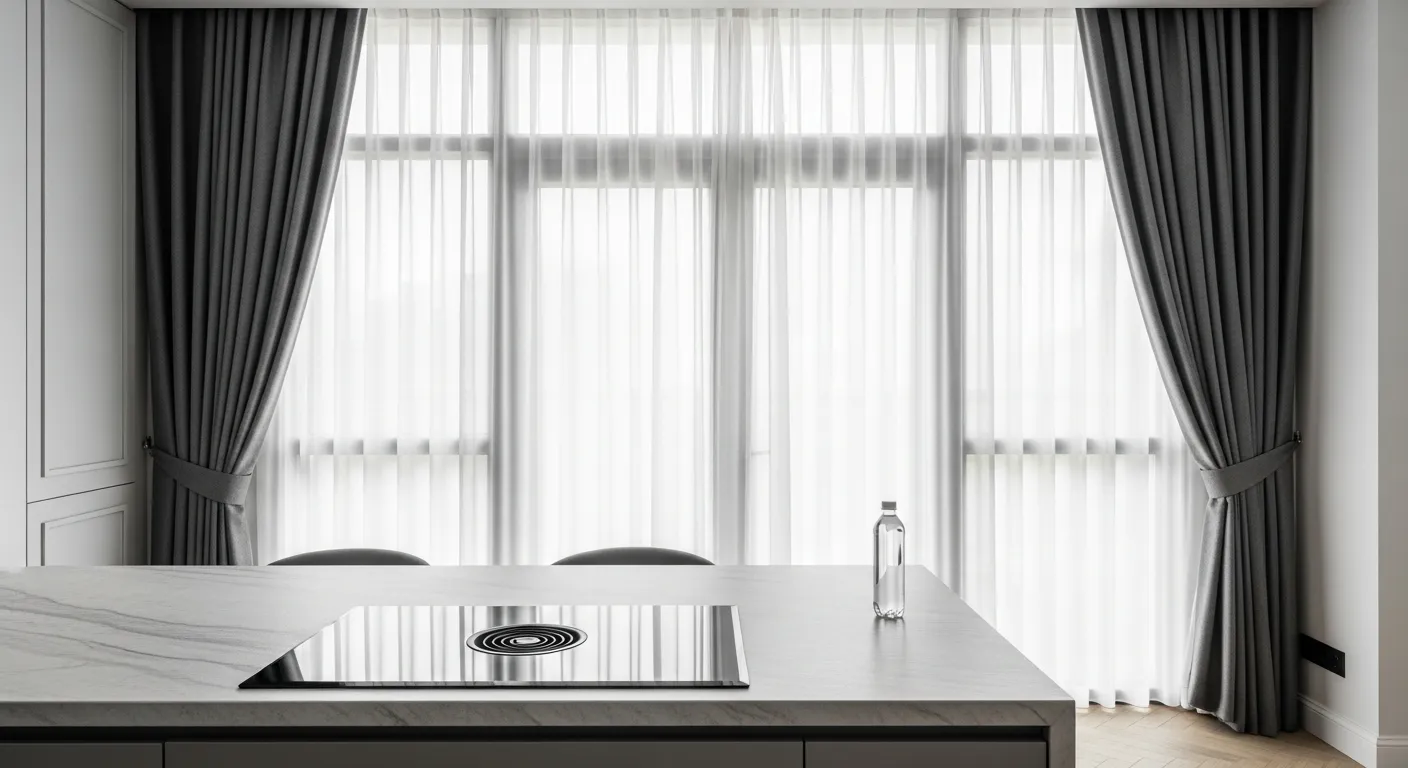
Traverse Rod: It is mostly used in hotels, but many homeowners also prefer the traverse rod, as it offers smooth movement to the curtains.
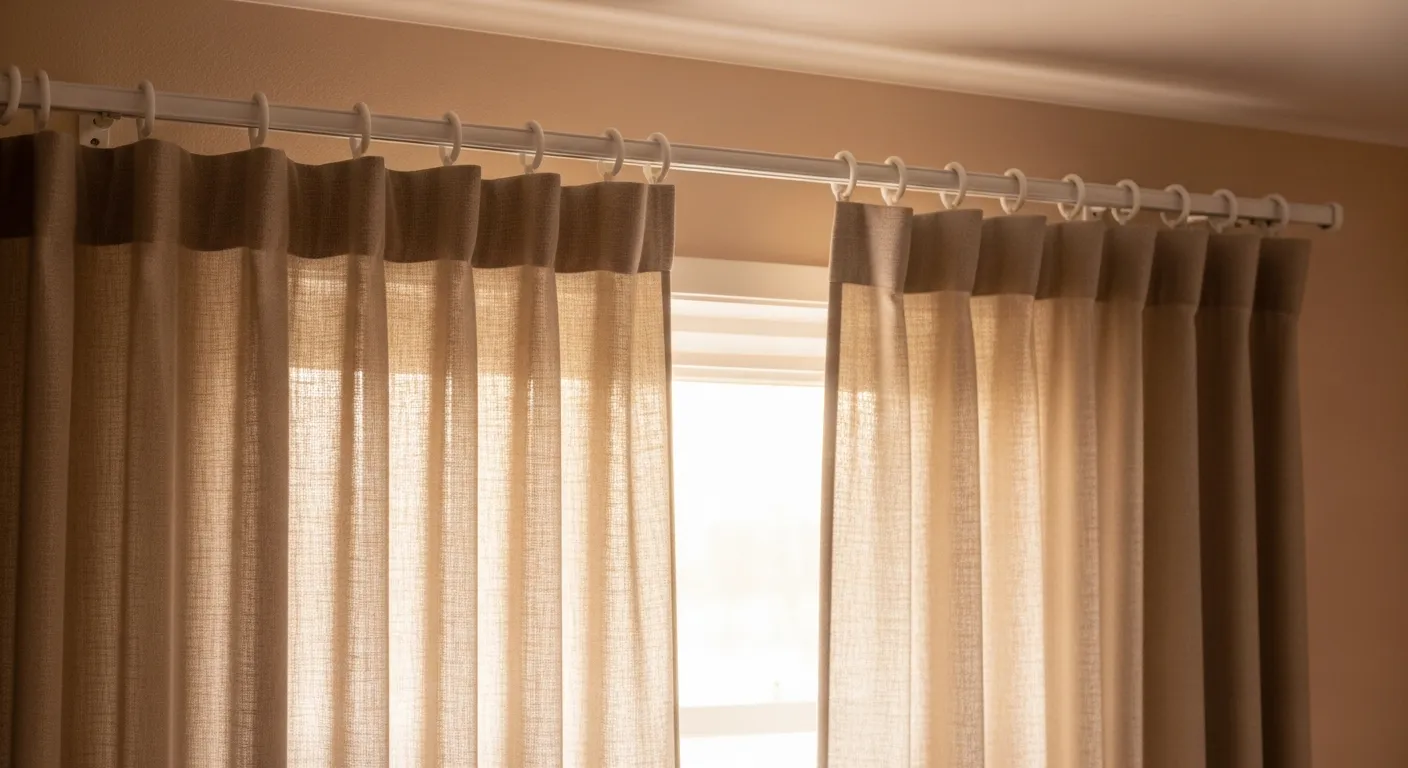
Tension Rod: It is usually preferred because it doesn’t require hardware for installation and can be installed without drilling. It can fit in any window size. The only flaw is that it can’t hold heavy curtains.
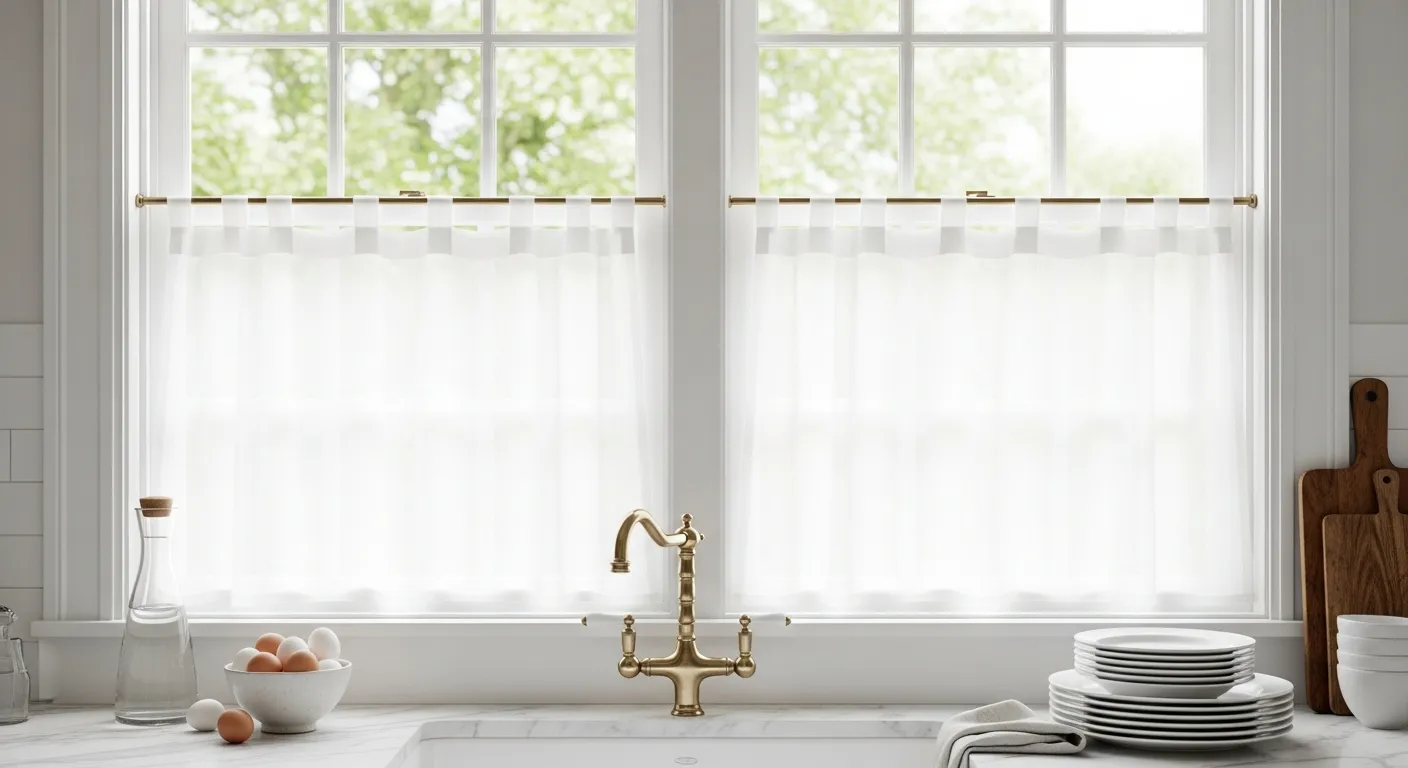
Cafe Curtain Rods: These rods are specially meant for cafes and kitchens where only the lower part of the window is covered with curtains.
Bracket
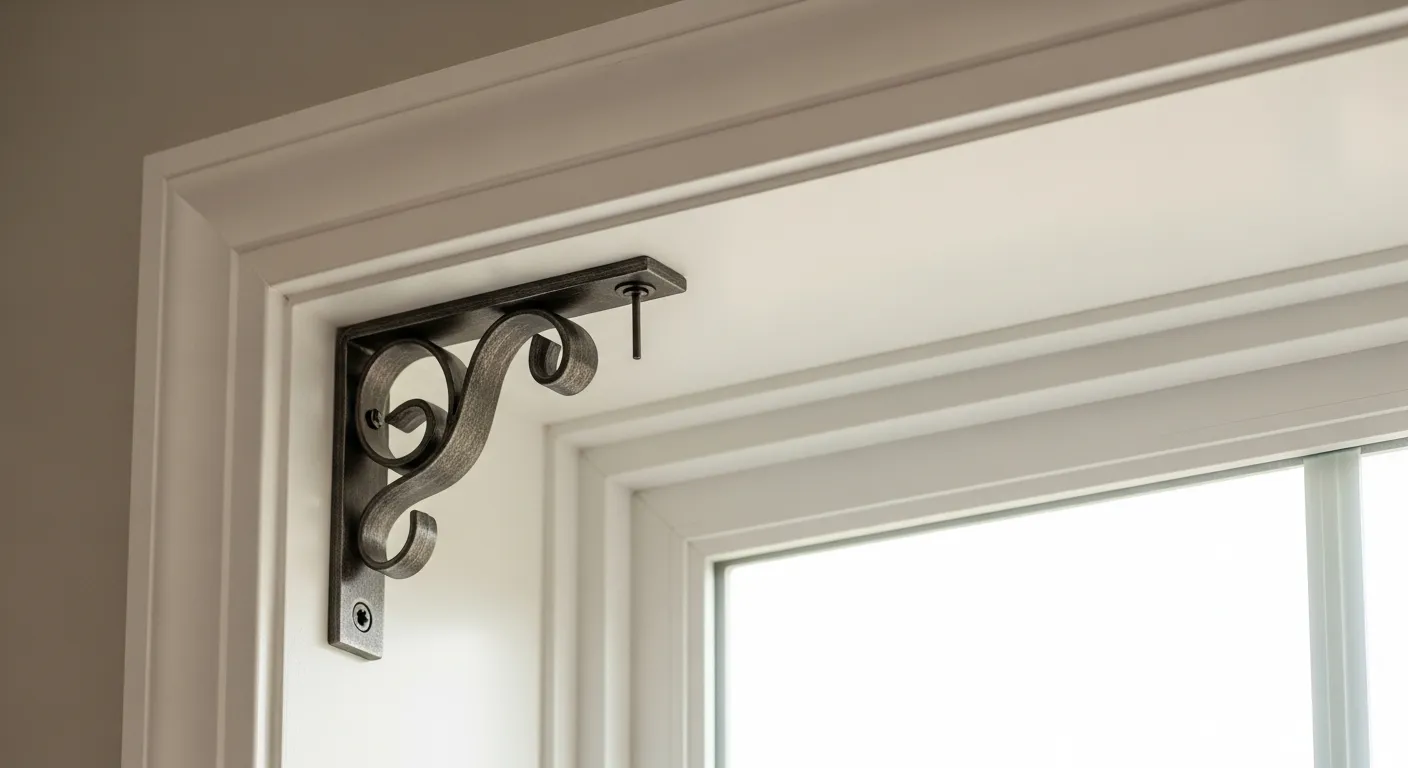
Brackets, also known as “curtain rod hooks,” are a vital part of the curtain hardware. It should be sturdy enough to bear the weight of any type of curtain. Brackets are installed on the wall directly above a window or within the head of the box window. When installing the curtain hardware, at least two brackets are required. Brackets are available in materials like metals, wood, or wrought iron.
Finial
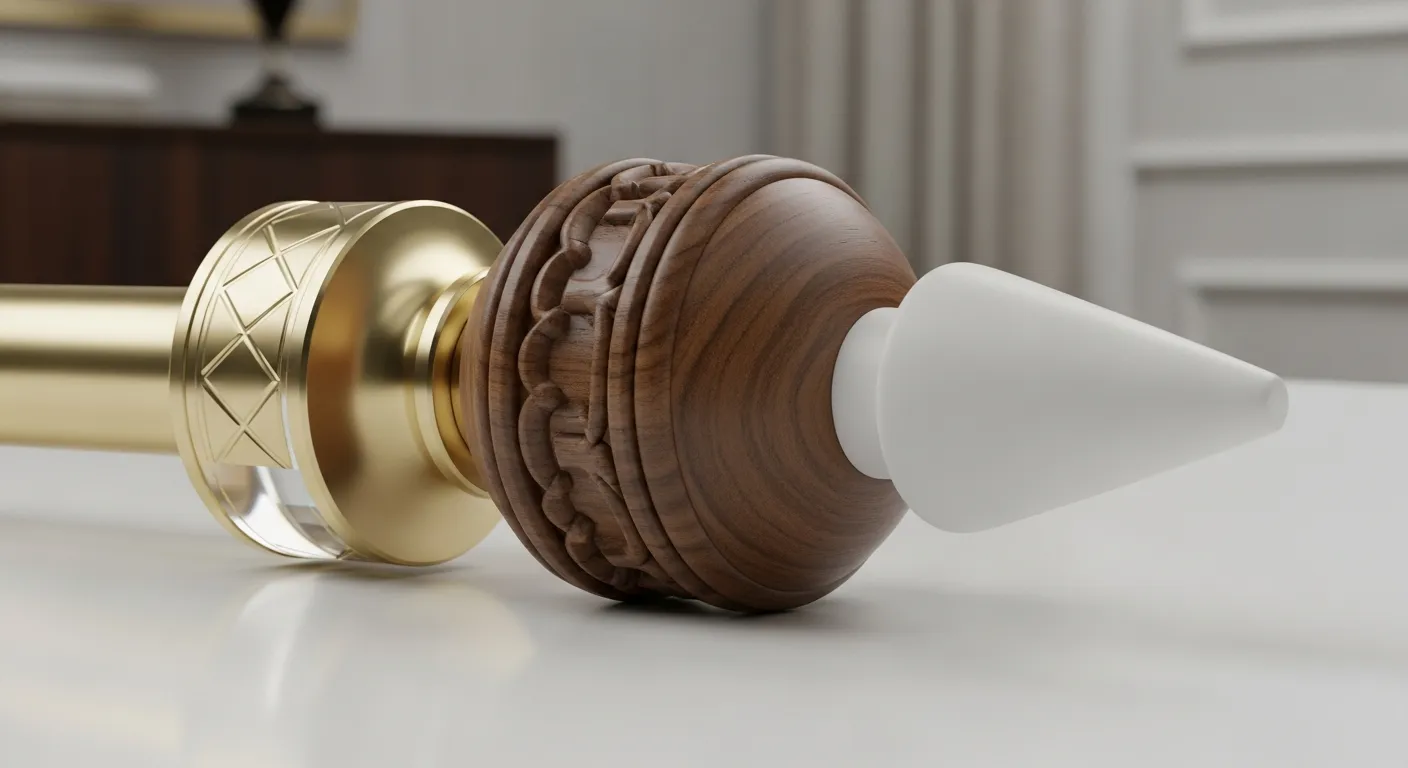
It is the end part of the rod used mainly to enhance the aesthetic element of the rod. Depending on the interior, you can select a plain finial or a decorative one. These are available in materials like metal, glass, wood, and ceramic.
Holdback and Tieback
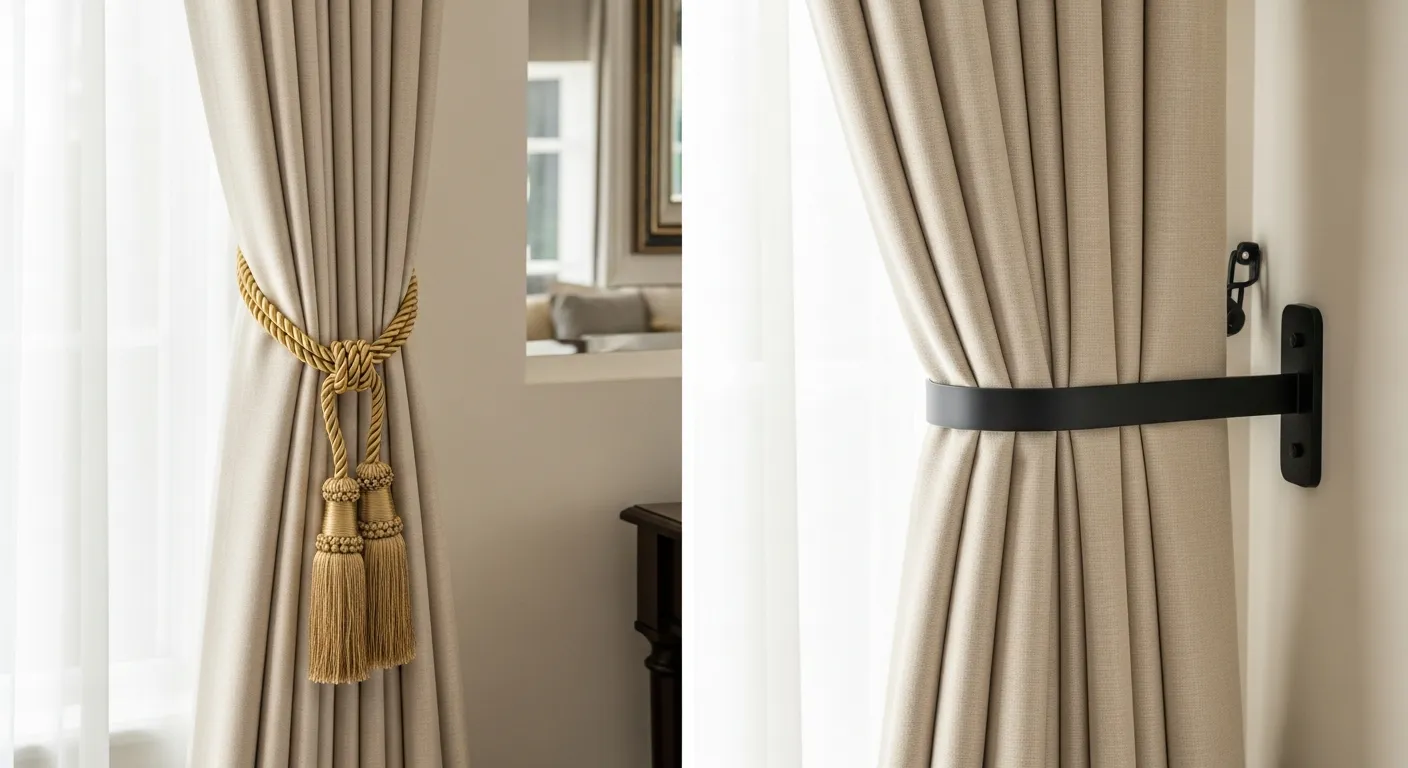
Both are used to hold the curtain, but in different ways. Tiebacks are pieces of decorative material made from fabric, rope, or tassel that hold the curtain to keep it open.
Whereas, holdbacks are installed on the wall to hold the curtain on both sides of the wall in place. Holdbacks are made of iron, plastic, or wood.
List of Curtain Parts to Dress Up the Window
The curtain hardware helps hang the curtain and also adds a pop of elegance. However, the other curtain parts help dress up the window. Here is the category of the parts used to dress up the window:
Curtain Covers
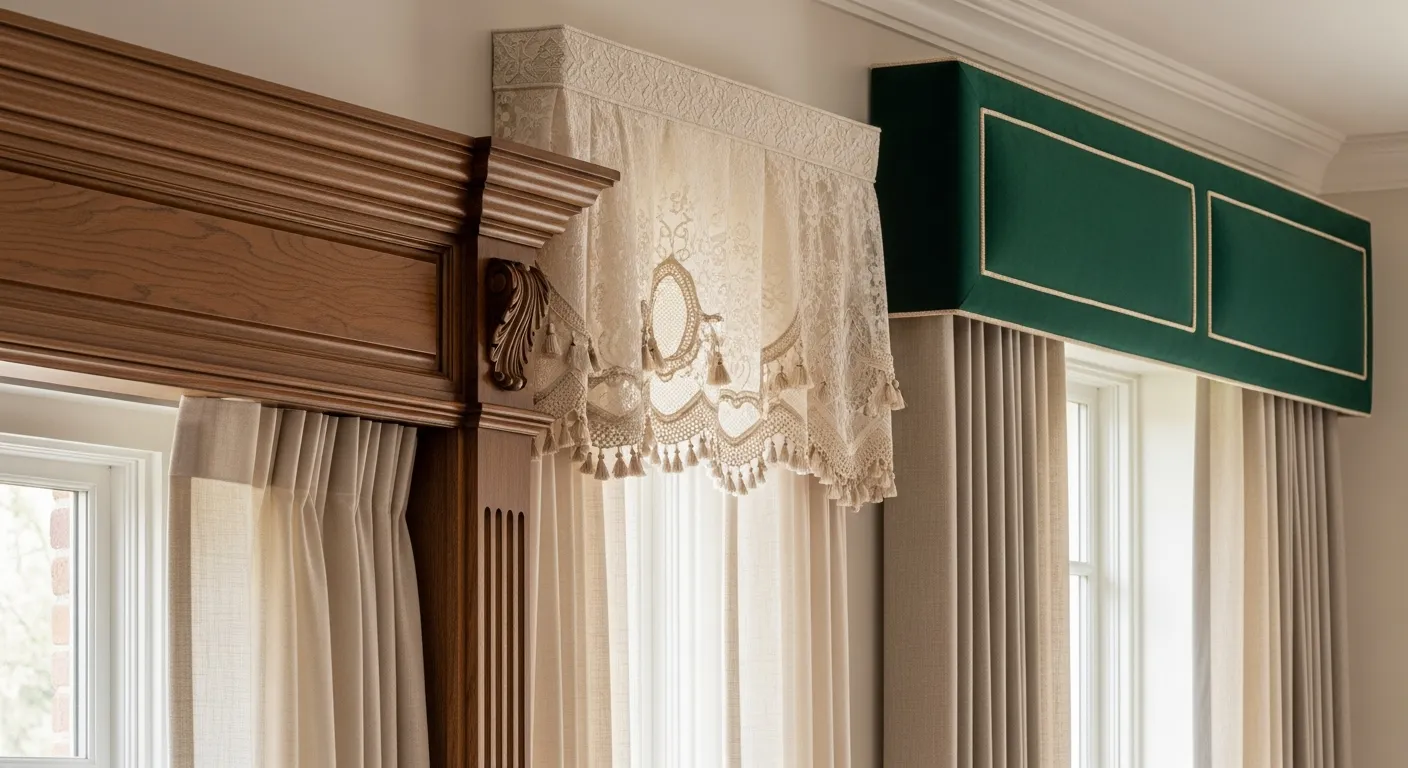
Curtain covers, often made from wood, look like a box structure that is used to cover the curtain heading. These covers can be upholstered to match the curtain. The different styles of curtain covers are:
Cornice: It is a decorative box-like cover often made of wood with fabric attached to it. It is fixed at the top of the curtain or built into a window frame that not only looks beautiful, but also helps hide the construction flaw.
Pelmet: Similar to a cornice, a pelmet is also a box-like structure made with wood, but a pelmet is upholstered to upgrade the look of the drape. It hides the construction imperfections or hides any defect in the curtain rod.
Valance: It is one of the stylish curtain covers made of fabric, installed on top of the curtain. It is available in the form of mini top-curtains that have fringes, tassels, and pompoms. Valance can be pleated or tiered. At times, pelmets and cornice is also named as “valance” because its widely known term, unlike pelmet and cornice.
Types of Curtain Headings
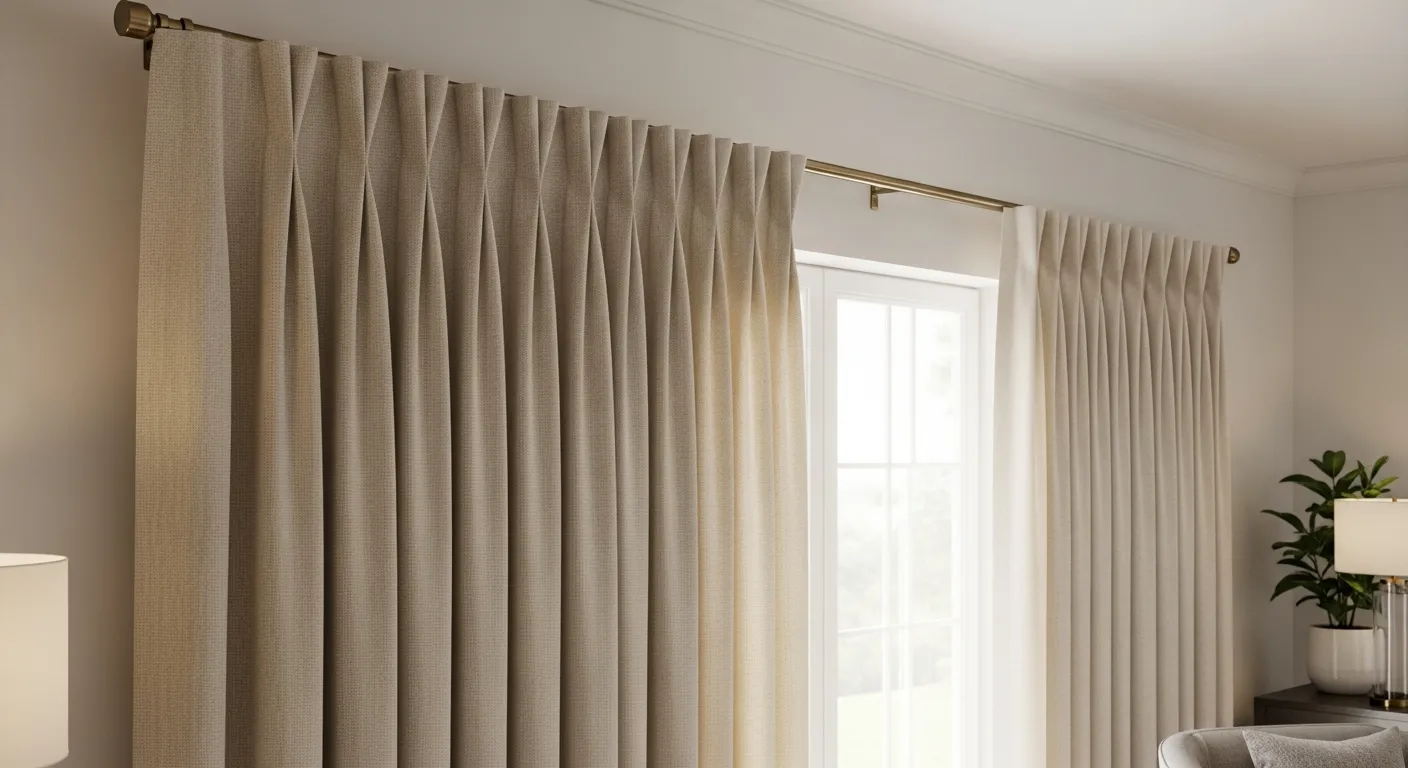
Homeowners are often overwhelmed with multiple choices of curtain headings. Here are the various options to give you a clear idea of all the types:
Pleats: It is one of the highly preferred choices of curtain headings among homeowners. A string is woven through the heading tape stitched to the top of the fabric, so you can control the width of the pleat by pulling the woven string. Hooks are attached to the back of the curtain and hung on the rod. The types of pleats are:
- Pinch Pleat: It is a clean design used to extend a formal look. It has a vertical line near the crease of the material. Pinch pleats are available in double pleats or triple pleats (the choice of pleats depends on the weight of the curtain).
- Pencil Pleat: It is the conventional curtain heading best suited for light and heavy fabric with a valance or pelmet. A certain variation of the pencil pleat is ideal for a long curtain.
- Goblet Pleat: It is a classic choice that looks similar to a double pinch pleat. The top of the pleat has the shape of a goblet.
- Box Pleat: It has a simple flat look in the front because all the gathered fabric is at the back of the curtain. However, it needs wider windows for a clean line.
Eyelet(Grommet): It is one of the simplest curtain heading designs which don’t need a hook or prongs. Curtain headers have holes to ensure curtains easily slide into the holes to reach the curtain rod.
Tie Tops: The tied ribbon-like top adds a natural and romantic look to tie tops. Tie top curtains are usually made from sheer and linen fabric.
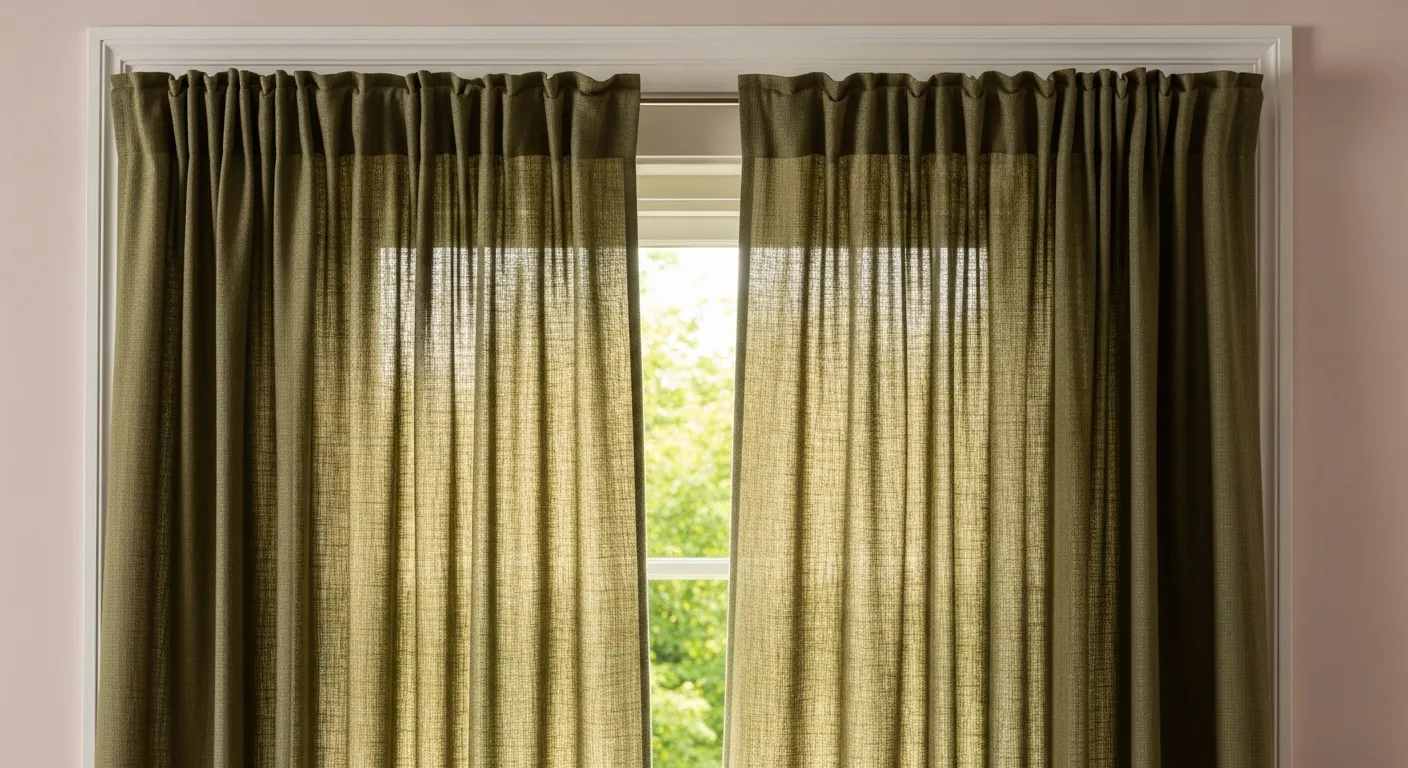
Rod Pocket: This too is a simple style in which the curtain simply slides into the pocket like a top seam.
Tab Top: This is similar to a tie top, but a tab top looks more formal. The tab top has a loop for the curtain to slide easily. These loops are made from fabric sewn to the top of the curtain.
Curtain Lining
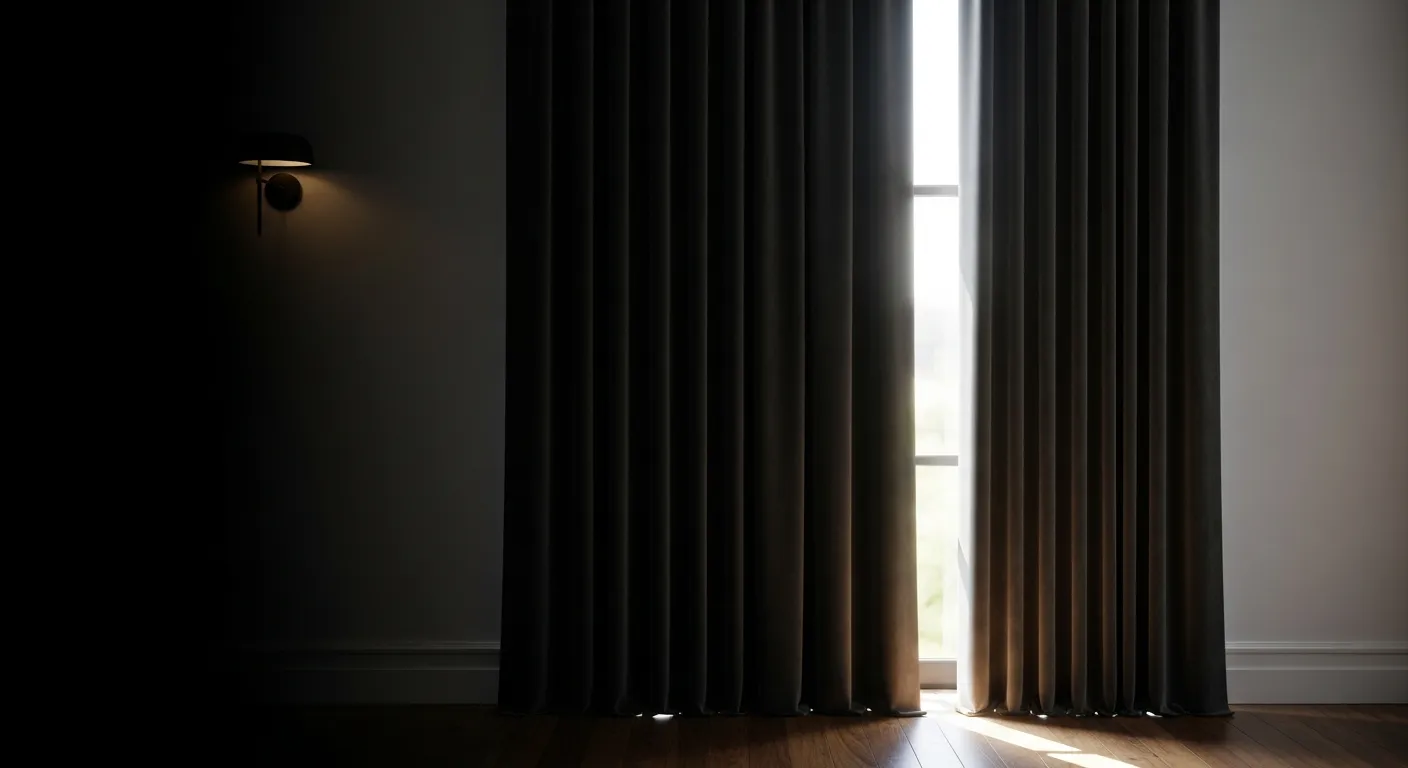
Lining is added to the curtain to improve the durability of the curtain, as lining protects the curtain from the sun and moisture, and for better flow. Here are the different types of lining.
Blackout Lining: If you are sensitive to light, then blackout lining is the best option for you. This lining protects the fabric and furniture pieces from harmful UV rays.
Insulation Lining: These linings add an elegant look to the curtain and also help in controlling noise. It also acts as a thermal insulator.
Fire-Resistant Lining: Though these linings are mostly preferred in commercial buildings, but it is also used in residential buildings due to its fire resistant feature.
Curtain Length
The curtain length hugely impacts the overall look of the room, hence decide the length after considering the height and size of the window. Tall windows need long curtains, but short windows don’t necessarily need short curtains. The different curtain lengths are:
Short Hem
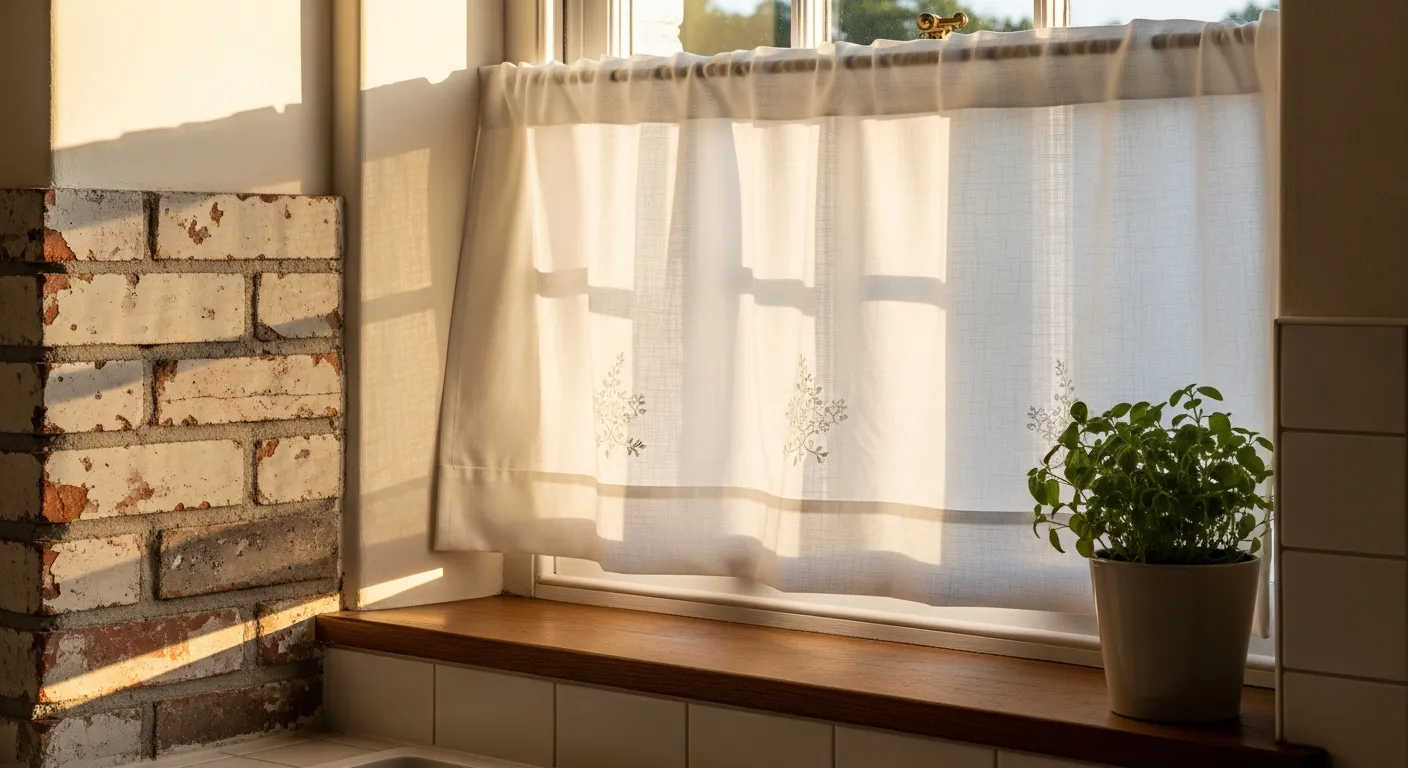
Cafe curtains have a short hem that stops at the window sill and are best suited for kitchens and homes with a cottage style. Take the measurement carefully, as the height and width of the window on all sides should perfectly fit.
| Some Tips | Install a short curtain at a minimum of 4 inches above the top of the window. |
Long Hem
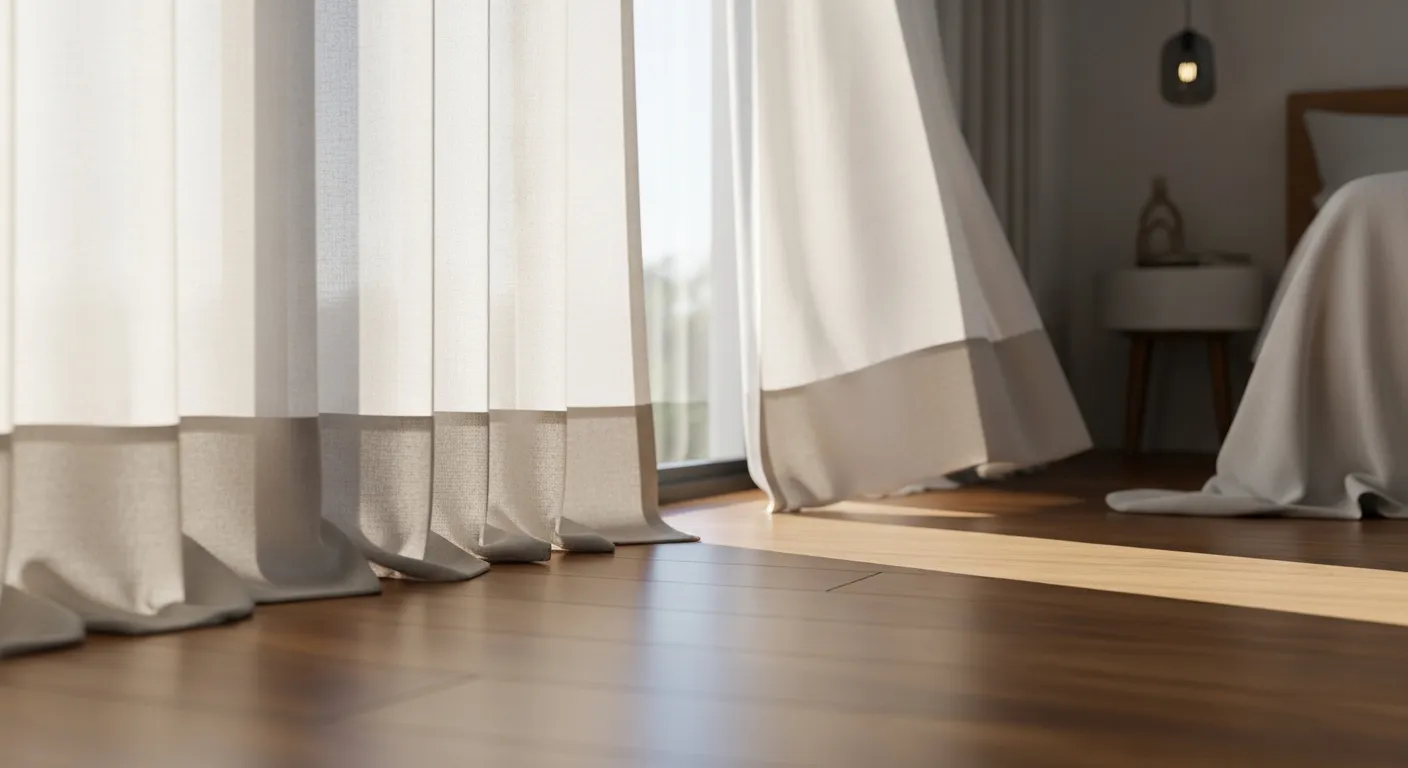
A long hem curtain is suitable for any height. Floor-length curtains float just above the floor when the hem is kept at a maximum height of half an inch from the floor. These curtains are ideal for the bedroom as they can be opened and closed easily.
Puddle Length Curtains
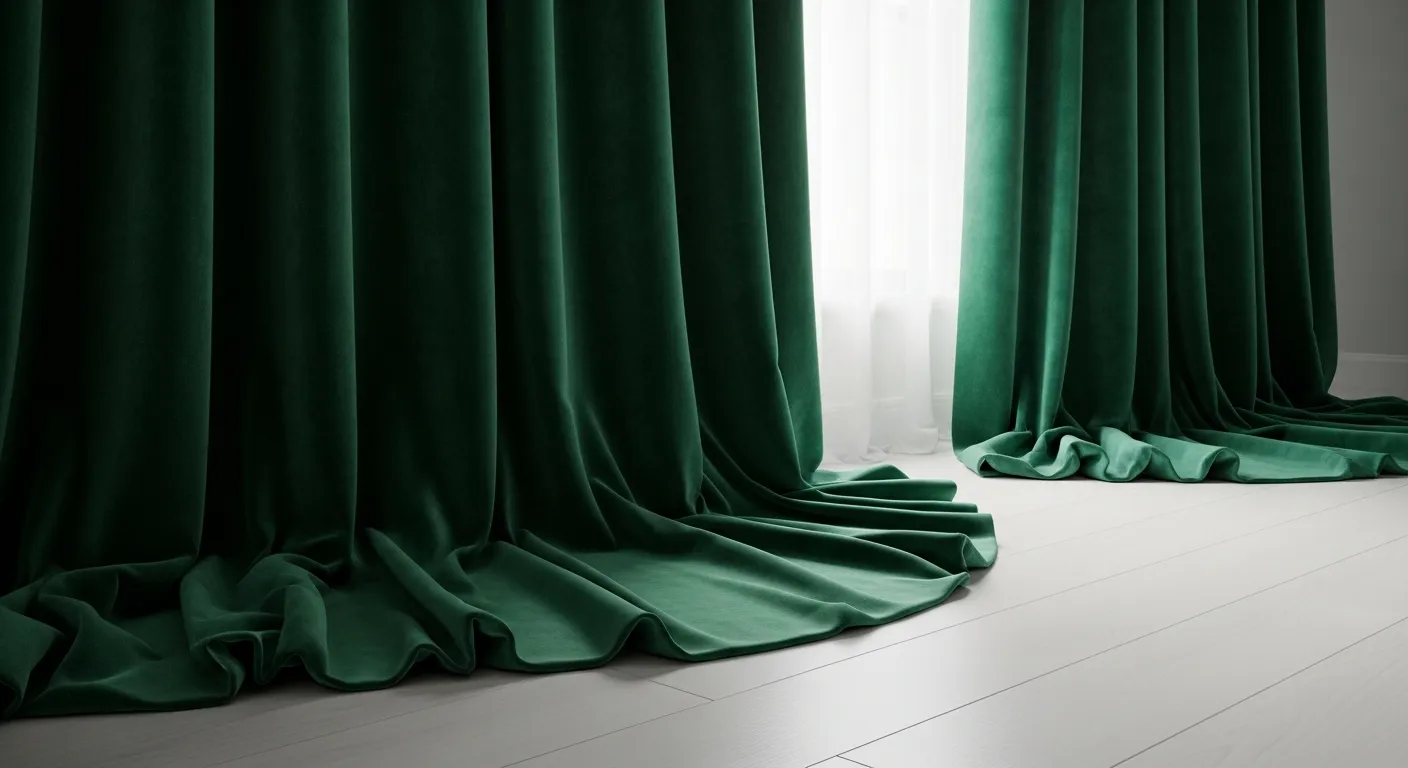
These curtains gather on the floor, adding a luxurious look. The only flaw is that it gathers dust and dirt, especially if you have kids and pets. Make sure the fabric puddles half an inch or one inch on the floor.
Conclusion
Whether replacing the entire curtain hardware set, including the rod, or merely replacing the curtain, knowing the terms of the curtain and its parts helps you communicate easily with the concerned seller. You can convey your requirements clearly. This blog will guide you through buying the curtain.