

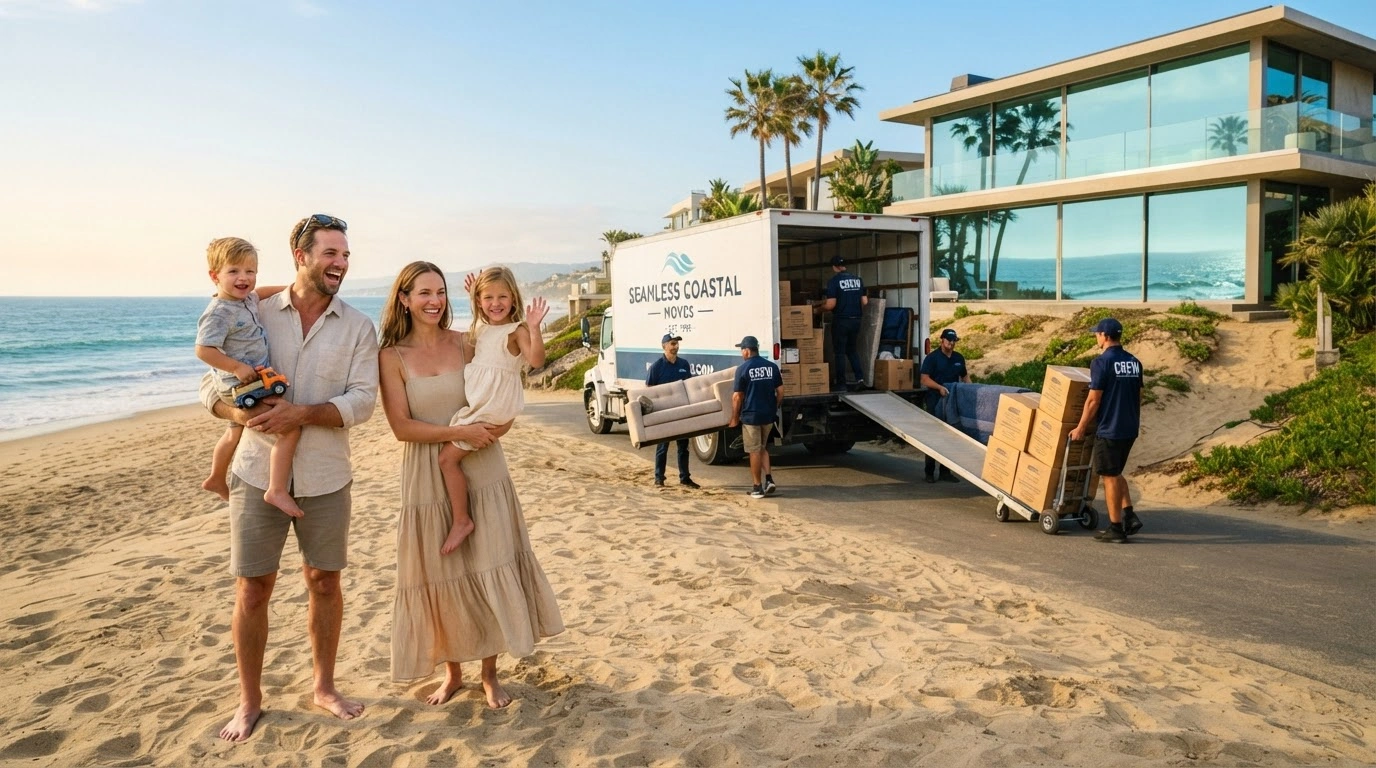
A family move to a beachside home involves more than loading boxes. Limited access, sandy gear, school schedules, and a kitchen that needs to function right away all compete for attention. Full-service movers can coordinate packing, lifting, transportation, and basic setup under one plan. Parents still need to make household decisions, but a clear service scope makes it easier to fit those tasks around family routines.
Scope the Complete Move
Before choosing the best movers in Solana Beach, a family should describe both homes, including stairs, elevator access, parking limits, and the distance from the curb to the door. The written estimate should specify packing, furniture protection, loading, transportation, and unpacking. Comparing quotes with the same scope helps parents catch gaps before moving day requires last-minute arrangements.
Ask whether the crew will pack every room or only selected items. Confirm whether boxes, packing materials, furniture disassembly, and placement are included. Get exclusions in writing, and ask how changes affect the estimate. Clear responsibilities prevent misunderstandings about which tasks remain the family’s responsibility.
Protect the Family’s Daily Rhythm
Packing everything at once can disrupt school, work, meals, and sleep. Schedule packing around the family calendar, and keep school supplies and work essentials accessible until they are no longer needed. A room-by-room plan also helps movers distinguish packed belongings from items the family still uses.
Set aside anything that should travel in the family car, such as medications, chargers, important documents, snacks, and a change of clothes. Keeping these necessities nearby prevents a search through boxes on the first evening in the new home.
Pack for Sand and Salt Air
Beach gear can bring grit, moisture, and odors into a move. Rinse and dry chairs, toys, and sports equipment before packing. Put small items in labeled containers, and keep damp gear away from linens and clothing. These steps keep residue from spreading to clean belongings.
Sandy shoes and towels will likely need a place near the entry after the move. Pack cleaning cloths, a broom, and a laundry bag where the family can reach them quickly. Movers can place those items near the entry or laundry area if the box has a clear label.
Plan Access Before Moving Day
Access at both homes affects loading and furniture placement. Tell the moving coordinator about stairs, tight turns, gates, building rules, and parking instructions. If the building requires a reservation or designated loading area, confirm arrangements with its manager before moving day.
Walk through the new home and decide where large furniture should go. A simple floor plan with room names gives the crew clear directions during unloading. This limits unnecessary lifting and keeps boxes out of hallways the family needs to use.
Keep Beach Gear Easy to Find
Separate everyday beach items from seasonal or rarely used equipment before packing. Label each container with its contents and destination, such as “beach towels, hall closet.” Specific labels help movers place belongings correctly and make it easier to find frequently used gear without opening several boxes.
Tell the coordinator how to handle bulky equipment and where it belongs. Clear directions for surfboards, bicycles, umbrellas, or strollers reduce confusion during loading and unloading. Pack small accessories together so individual pieces stay with their equipment.
Set Priorities for Unloading
The crew needs to know which rooms the family wants ready first. Rank the kitchen, children’s bedrooms, and bathroom by immediate need, then label boxes to match those priorities. Movers can place essential belongings before handling less urgent boxes.
Before the crew leaves, check each room against the family’s plan. Confirm that furniture is in the intended locations and boxes are grouped by room. If something needs to move, address it while the crew and equipment are still there.
Conclusion
A beachside family move runs more smoothly when the service plan fits household routines and the new home’s access needs. Preparation works best when it is specific: list included tasks, set aside first-night essentials, and label beach gear for its destination. Before booking, walk through both homes with the coordinator and discuss access limits or special items. A written plan gives the crew clear instructions and helps the family settle in.


