

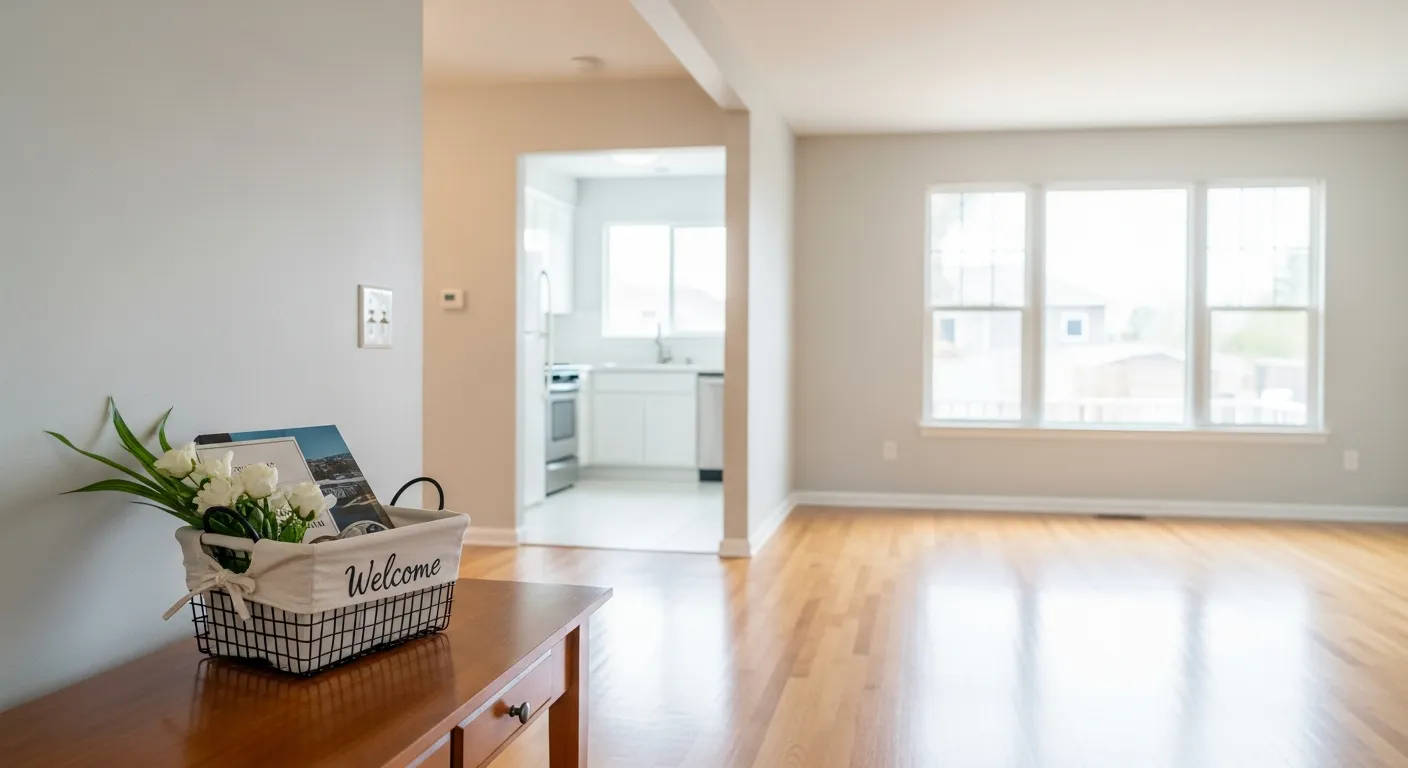
Preparing a property for renting can feel overwhelming at first, especially if you are unsure where to begin or worried about missing something important. However, it can be easier than you think. With the right steps, you can avoid costly mistakes, attract better tenants and protect your investment from the start.
What Are the Steps to Prepare a Property for Renting?
Preparing a rental property involves more than just cleaning and listing it online. You need to think about safety, legal compliance, pricing and long-term maintenance. This guide walks you through eight practical steps to prepare a property for renting with confidence.
1. Understand Local Laws and Requirements
Before you do anything else, you need to understand the legal requirements for renting out a property. This includes safety standards, habitability rules and tenant rights. Many landlords overlook this step and end up dealing with fines or disputes later.
For example, the U.S. Department of Housing and Urban Development outlines federal fair housing laws that prohibit discrimination and require equal access to housing. Even if you are renting locally, federal guidelines like this often work alongside state and local regulations. Taking time to research or consult a professional can save you from legal headaches. It also ensures your lease agreements and processes are aligned with current laws, which builds trust with tenants from day one.
2. Inspect the Property Thoroughly
A detailed inspection helps you identify what actually needs attention versus what can be left alone. This is where you avoid overspending. Not every cosmetic flaw needs fixing, but safety and functionality issues should always be addressed.
Focus on key systems like plumbing, electrical wiring and structural integrity. Walk through the property as if you were a tenant. Open cabinets, test appliances and check for leaks or drafts. This perspective helps you prioritize repairs that actually matter.
3. Handle Essential Repairs First
Once you have your inspection list, tackle the repairs that impact safety and livability. These include fixing leaks, addressing electrical issues and ensuring heating and cooling systems work properly. Skipping these can lead to bigger problems and unhappy tenants.
Poor housing quality can affect indoor air quality, significantly impacting respiratory health, especially in children and young people. Addressing HVAC, insulation and other essential concerns early protects both your tenants and your investment. At the same time, avoid going overboard with high-end upgrades unless they align with your rental market. A fully functional property will always outperform one with luxury finishes but unresolved maintenance issues.
4. Clean and Refresh the Space
A clean property makes a powerful first impression. Simple updates like fresh paint, deep cleaning and minor cosmetic fixes can go a long way. Focus on high-impact areas like kitchens and bathrooms. Clean grout, polished fixtures and neutral paint colors can make the property feel brighter and more inviting.
These changes are relatively low-cost but significantly improve appeal. Remember, tenants are looking for a place that feels comfortable and well cared for. A clean, refreshed property signals that you are a responsible landlord, which can attract more reliable renters.
5. Set a Competitive Rental Price
When you prepare a property for renting, pricing it correctly is key to attracting tenants quickly without leaving money on the table. If your price is too high, the property may sit vacant. If it is too low, you may miss out on potential income. Look at comparable properties in your area, considering factors like size, location and amenities.
The U.S. Census Bureau provides housing data that can help you understand rental trends and pricing benchmarks. Balancing market data with your property’s unique features will help you find the sweet spot, and a well-priced rental often attracts better tenants and reduces vacancy time.
6. Market the Property Effectively
Once your property is ready, it is time to show it off. The key to good marketing is presenting your property in a way that highlights its strengths and reaches the right audience. Use clear photos, detailed descriptions and honest information about the property. Transparency helps set expectations and reduces the chances of misunderstandings later.
Highlight features that matter most to tenants, such as location, storage space or updated appliances. You can market your property effectively without a large budget by taking a thoughtful approach. A well-presented listing can make the difference between a quick lease and weeks of vacancy.
7. Screen Tenants Carefully
Finding the right tenant is one of the most important parts of the process. A good tenant pays on time, takes care of the property and communicates well. A bad one can lead to missed payments, property damage and legal disputes. Screening includes background checks, credit reports and rental history.
According to the Consumer Financial Protection Bureau, landlords can legally use consumer reports for tenant screening as long as they follow fair credit reporting rules. Take your time with this step. It is better to wait for the right tenant than to rush into a lease with someone who may cause problems later.
8. Work With a Property Management Company
If the process feels like too much to handle on your own, working with a property management company can simplify things. They can help with everything from preparing the property to screening tenants and handling day-to-day operations.
Harrisburg Property Management Group, for example, was founded by landlords who understood firsthand how challenging property management can be. They offer guidance on tenant screening, legal compliance and best practices. Their partnership with legal counsel also helps ensure that lease agreements are well-vetted and in compliance with regulations. Even if you prefer to stay hands-on, consulting a professional like this can help you avoid common mistakes and streamline the process. It is a practical way to reduce stress while improving results.
Setting Yourself Up for Rental Success
Preparing a property for rent gets easier when you break it down into clear steps. From understanding legal requirements to choosing the right tenant, each stage plays a role in creating a successful rental experience. The key is to focus on what truly matters. Prioritize safety and functionality, avoid unnecessary spending and take the time to do things properly.


