

Renovation projects have a way of uncovering things you weren't expecting — and in older Australian homes, asbestos is one of the more serious discoveries you can make. Suburbs like Sutherland Shire have a significant number of homes built during the era when asbestos-containing materials were standard in construction, which means it still turns up regularly in walls, ceilings, flooring, and eaves. The good news is that with the right preparation, the process of having it safely removed doesn't have to derail your renovation entirely. What it does require is some clear thinking and a few practical steps before anyone picks up a tool.
1. Get a Professional Inspection First
Before any renovation work begins, it’s important to understand where asbestos may actually be present. In older properties, it can appear in materials like ceiling coatings, floor tiles, insulation, and roof sheeting without being immediately obvious. That’s why many homeowners start with a licensed inspection before planning any removal work. Speaking with experienced asbestos removal Sutherland Shire professionals is often a practical first step, since local contractors are usually more familiar with the building materials and property styles common throughout the area.
That local knowledge matters more than people expect. Companies like Sydney Asbestos regularly work with older residential and commercial properties across the Sutherland Shire, where understanding both New South Wales safety regulations and the realities of aging buildings plays a major role in how inspections and removal projects are handled.
2. Understand What Can and Can't Stay
Not all asbestos-containing materials need to be removed immediately. In Australia, the general guidance is that bonded asbestos — where fibres are tightly bound in a solid material like cement sheeting — can sometimes be left undisturbed if it's in good condition and won't be touched during the renovation. Friable asbestos, where fibres are loose or easily crumbled, is a different matter and must be removed by a licensed contractor regardless of condition. Understanding this distinction matters for your preparation because it affects which areas of the home need to be cleared, sealed off, and kept off-limits before work begins. Your inspector should be able to classify each material clearly.
3. Clear and Protect the Work Zone
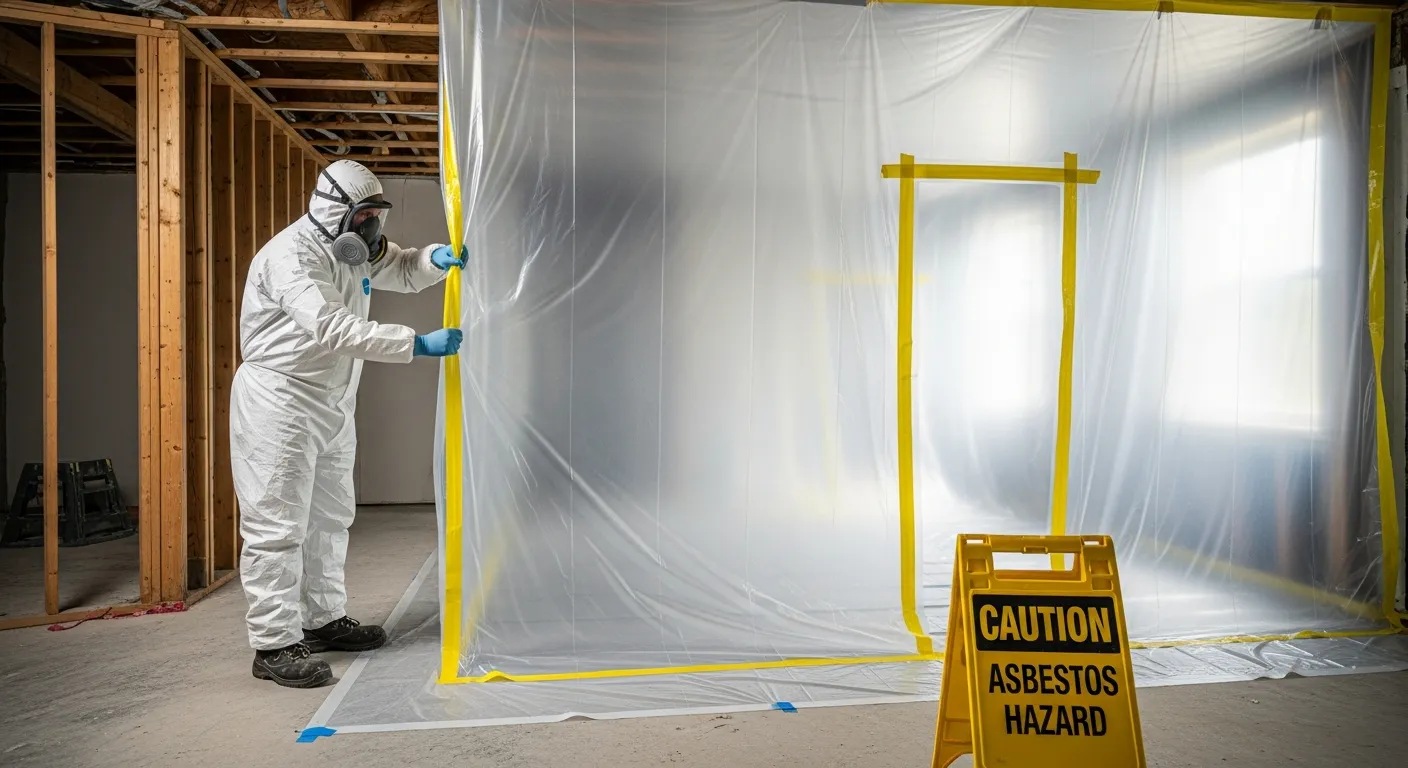
Once you know where the asbestos is and what's being removed, the area around the work zone needs to be properly prepared. This isn't just about moving furniture — it's about reducing the risk of fibres spreading beyond the removal area during the process. Before your contractor arrives, take care of the following:
- Remove all furniture, soft furnishings, and personal items from the affected rooms
- Cover fixed items that can't be moved with heavy-duty plastic sheeting
- Turn off ducted air conditioning and ventilation systems that could spread fibres
- Remove or cover food preparation surfaces and utensils in adjacent areas
4. Know the Health Risks Involved
Preparation is much easier to take seriously when you understand what's actually at stake. Asbestos-related diseases develop when microscopic fibres are inhaled and lodge in lung tissue — and the damage accumulates over time without immediate symptoms. According to the World Health Organization, all forms of asbestos are carcinogenic to humans, and approximately 125 million people worldwide are exposed to asbestos in the workplace each year. Mesothelioma, asbestosis, and lung cancer caused by asbestos exposure can take decades to develop, which is part of why the risk feels abstract to many homeowners. Treating the preparation process with appropriate seriousness is simply about protecting yourself, your family, and anyone else who spends time in your home after the work is done.
5. Arrange Temporary Accommodation If Needed
Depending on the scale of the removal, staying in the property during the work isn't always practical or advisable. For large-scale friable asbestos removal, licensed contractors are required to establish containment zones and decontamination areas — and having occupants in the building during that process creates complications and unnecessary risk. Discuss the scope and timeline with your contractor before the job starts, and ask them directly whether temporary relocation makes sense for your situation. Even for smaller jobs, having children, elderly family members, or anyone with respiratory sensitivities away from the property during removal and the immediate clean-up period is simply good practice.
6. Verify Disposal Is Handled Correctly
Asbestos waste can't go in a skip bin or a general construction waste pile — it has to be double-wrapped in heavy-duty plastic, clearly labelled, and disposed of at a licensed facility. In New South Wales, this process is regulated, and your contractor should be handling it as part of the job. Before work starts, confirm that disposal is included in the scope, ask which licensed tip will be used, and request documentation once disposal is complete. That paperwork matters — both for your own records and if you ever sell the property, as buyers and their inspectors will want evidence that any known asbestos was handled properly and legally.
7. Don't Rush Back Into the Renovation
Once removal is complete, there's a natural temptation to push ahead with the renovation immediately. Resist it. A proper clearance inspection — carried out by an independent assessor, not the removal contractor — should be completed before the space is reoccupied or work resumes. The assessor will check that no visible asbestos residue or debris remains, take air samples if required, and issue a clearance certificate. That certificate is your confirmation that the area is genuinely safe, not just visually clean. Skipping this step to save a day or two isn't worth the uncertainty it creates, particularly in a home where people will be living long after the renovation is finished.
Final Thoughts
Preparing for asbestos removal isn't complicated, but it does require taking each step in the right order. An inspection before any work begins, a clear understanding of what's being removed, a properly prepared work zone, and a verified clearance at the end — these aren't bureaucratic formalities. They're the practical framework that keeps a renovation project safe for everyone involved. Get the preparation right, and the removal itself tends to go smoothly.


