

Electrical problems don't always make themselves obvious. Flickering lights might seem like a minor annoyance, and a breaker that trips occasionally could feel like just part of owning an older home. But these small signs often point to bigger issues, and they can become major red flags during a home inspection or worse.
The Silent Danger Behind Your Walls
Home electrical issues don't announce themselves with fanfare, but the consequences of ignoring them can be severe. Faulty wiring, overloaded circuits and aging electrical components quietly degrade over time, creating conditions that put your home at risk.
In fact, according to 2023 national estimates from the U.S. Fire Administration, residential building electrical malfunctions were connected to 23,700 fires, 305 deaths and 800 injuries across the U.S. Recognizing electrical warning signs early gives you the chance to address problems before they escalate into emergencies or derail your home sale.
Visual Red Flags to Watch For
A visual walk-through of your home can reveal the first signs of trouble. Occasional flickering from a bad bulb is normal, but if your lights consistently dim when large appliances kick on, you're likely dealing with an overloaded circuit that can't handle the demand.
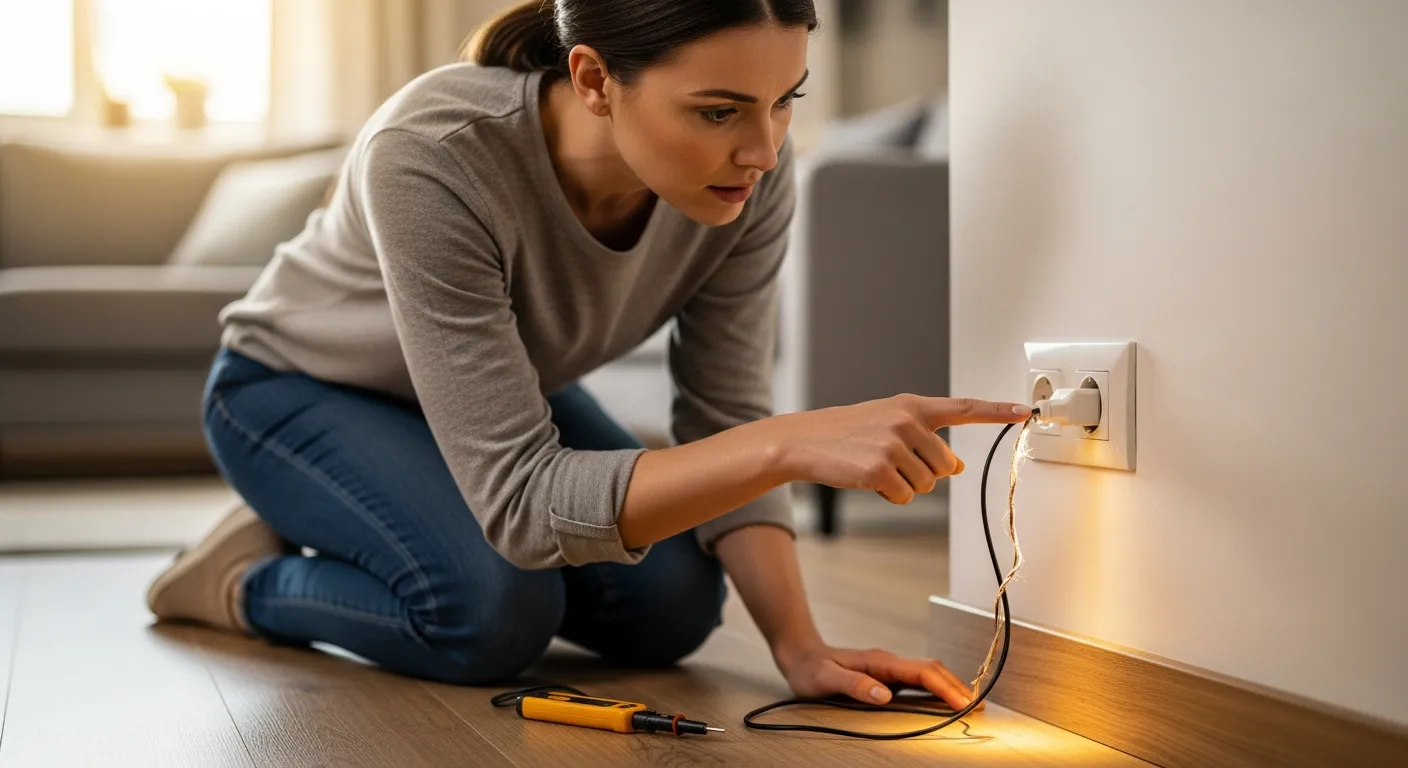
Pay close attention to your outlets and the plates surrounding them. Brown or black scorch marks around the edges signal dangerous overheating, while cracked or damaged outlet covers, frayed cords and discoloration all point to bad wiring symptoms that need immediate attention. These visible indicators often reveal problems that have been building for months or even years behind your walls.
What Your Electrical Panel Is Telling You
Your electrical panel is designed to protect your home by shutting off power when a circuit becomes overloaded or detects a fault. A breaker that trips occasionally is simply doing its job, but frequent tripping indicates the system is struggling to keep up with demand or that the wiring has deteriorated to the point where it can no longer safely carry current.
Take a close look at the panel itself. If you have an older home with a fuse box instead of circuit breakers, or if your panel still uses outdated technology from decades ago, it may not provide adequate protection for modern electrical loads.
If you're noticing these warning signs, it's time to call in a trusted local professional. Strada Services, a family-owned business operating since 2003, offers electrical repair, panel upgrade and generator services for homeowners who notice warning signs before listing a property. The team also offers 24/7 online scheduling and a 10-year labor warranty on electrical work to help protect homes against catastrophic events.
Auditory Cues of Wiring Issues
Electricity should flow silently through your home. If you're hearing unusual sounds coming from your outlets, switches or electrical panel, consider it a serious red flag that demands immediate attention.
A sizzling or buzzing sound is a potential sign of an electrical hazard. These noises typically happen when electricity jumps between connections that aren't properly secured. The process generates intense heat and can quickly damage wiring insulation, creating conditions that lead to failures throughout the circuit.
Physical Warning Signs You Shouldn't Ignore
Your sense of touch can reveal problems your eyes and ears might miss. Outlets or switch plates that feel warm indicate excessive heat buildup, often caused by loose connections or wiring that's carrying more current than it was designed to handle. If you see even small sparks when plugging in or unplugging a device, that's a clear sign of a faulty outlet that needs immediate replacement.
Plugs that fall out of outlets can also create another danger, as the poor contact causes arcing that generates heat and degrades the outlet over time. Pay close attention to specific areas, such as the kitchen, which accounted for 15% of reported home electrical structure incidents in NFPA data.
If you experience mild shocks or tingles when touching appliances, don't dismiss them as static electricity. These sensations often signal a grounding problem or a current leak where it shouldn't be, and they can worsen significantly if left unaddressed.
The Most Urgent Warning: Burning Smells
Of all the electrical warning signs, a burning odor demands the fastest response. A distinct burning or rubbery smell can mean an electrical problem is actively occurring in an appliance, outlet, panel or hidden wiring.
These symptoms often indicate overheated wires or damaged electrical components that require immediate attention. This could lead to excessive heat breaking down insulation, exposing bare wires that could come into contact with combustible materials. If you detect this odor, shut off the breaker to that area immediately and call a professional. Don't wait to see if it goes away on its own, because the damage is likely already happening and will only accelerate.
Ensure Your Home Is Safe and Sound
Ignoring these sensory cues won't make electrical problems disappear. They'll simply show up on inspection reports, potentially killing your sale or forcing you into costly repairs under pressure, or may even escalate to catastrophic events. Scheduling an evaluation while you still have time to address issues properly ensures that your home is safe and well-maintained for you and any future buyers.


