

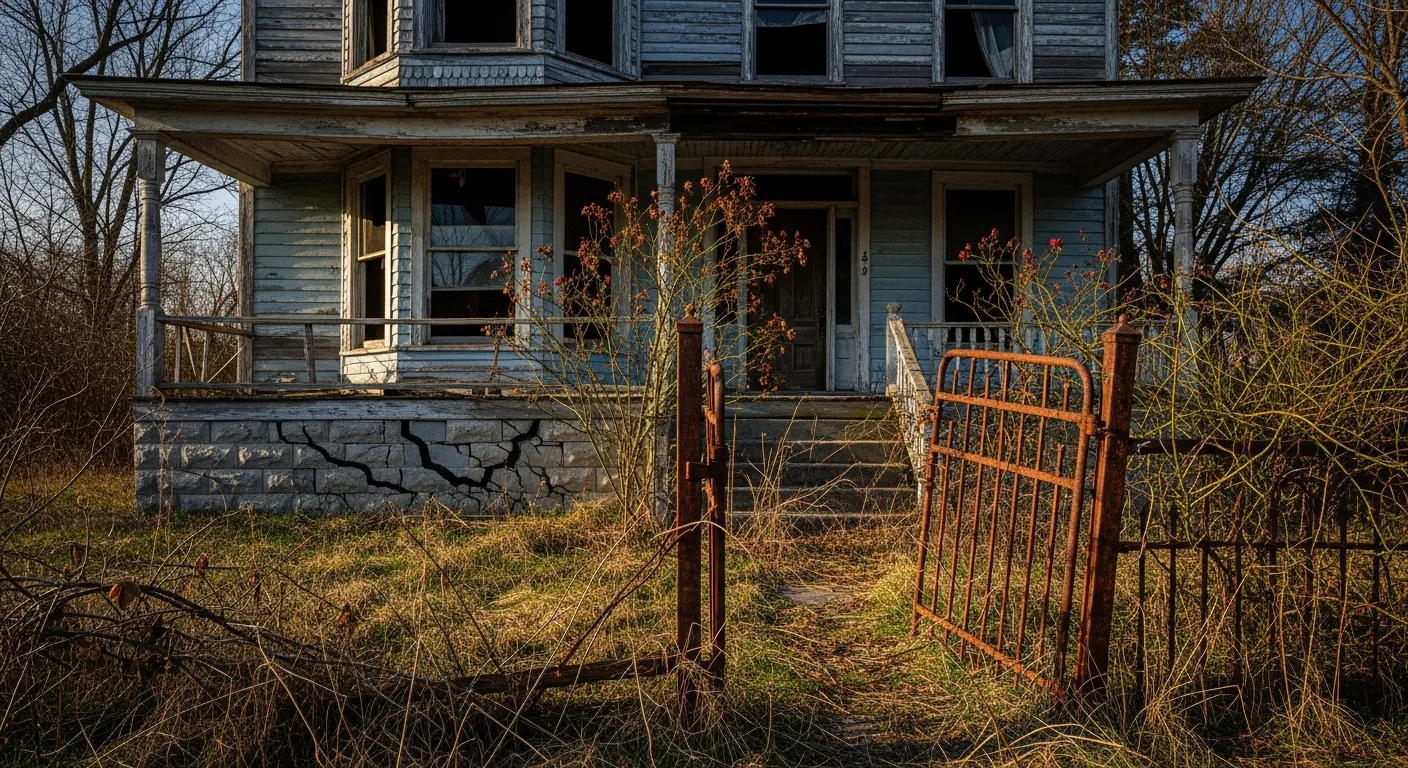
Older homes often come with charm, character, and a few surprises that are easy to miss during a quick walk-through. A small crack or sticking door may seem harmless, but together, these details can point to deeper foundation trouble. Below, we’ll look at the warning signs that matter most, where they tend to appear, and when a simple flaw deserves a closer look.
Inspect Cracks and Exterior Changes
Start with a slow walk around the entire house, paying close attention to exposed foundation walls, brickwork, siding, porches, and chimneys. Look for changes in alignment, fresh gaps, or sections pulling away, since routine exterior checks can reveal developing safety concerns early.
Crack shape matters. Stair-step cracks through brick often follow mortar lines, while horizontal cracks can signal pressure against a wall. Widening gaps around windows, doors, or exterior trim also deserve attention, especially when several appear on the same side.
Check attached features too, because movement often shows where two structures meet. A porch separating from the house, steps pulling away, or a leaning chimney can point to uneven settling. These signs may guide the type and urgency of foundation repair needed.
Photograph every visible change and include a ruler or coin for scale. Recheck the same spots after heavy rain for a few months. A stable hairline crack may remain cosmetic, while growth, crumbling edges, or repeated movement calls for professional evaluation.
Check Floors, Doors, Windows, and Interior Walls
Walk through the house without rushing and feel how each floor sits beneath your feet. Some gentle sloping is common in an older home, but sudden low spots, soft patches, or a steady tilt from one room into another can be a sign that the structure moved unevenly.
Test every door and window by opening and closing it a few times, mainly near corners and load-bearing walls. Twisted-looking frames, doors that slowly swing open alone, or windows that stick throughout the house may mean the movement is not limited to one opening.
Check the walls inside the home for cracks running diagonally above doors or windows, spaces beside baseboards, and seams opening at the ceiling. Cabinets separating from walls can also signal trouble, because a neat coat of paint or newer trim may cover signs that were already there.
Look for Moisture and Drainage Problems
Sometimes water gives the first warning that a foundation is having trouble. Before cracks or uneven floors appear, check the basement or crawl space for damp concrete, water lines, peeling paint, musty air, or white mineral marks. They often show where water keeps finding its way inside.
Go outdoors once the rain slows and watch what the runoff does. The gutters should empty properly, the downspouts should carry water farther from the home, and the soil should slope away. When puddles stay beside the foundation, they keep pushing on walls and nearby soil.
Watch for moisture that shows up in one place again and again. A corner that turns wet after every storm may be caused by a blocked drain, a downspout ending too close, or damaged waterproofing. Solving that early protects the concrete and helps keep the soil steady.
If water keeps coming through, surface sealant by itself probably will not be enough. The right repair may use better drainage, a sump pump, coated walls, or barriers outside the foundation. It should manage the water coming in and ease the pressure that gathers behind the wall.
Know When to Call a Foundation Professional
Call a professional when several warning signs appear together, especially if cracks are widening, floors feel noticeably uneven, or doors and windows keep shifting out of place. A combined pattern usually points to movement that deserves a proper structural assessment.
Speed matters when a wall starts bowing, water enters repeatedly, or a chimney leans farther over time. These changes can place added stress on the house, so an expert should measure the movement and identify exactly what is causing it.
Home buyers should arrange an inspection before closing when a property shows past repairs, fresh wall patches, or uneven settling in several rooms. Reviewing hidden home problems with a specialist can clarify the likely cause, urgency, and difference between cosmetic flaws and structural work.
Endnote
An older home does not need to look perfect, but its problems should make sense. The real concern begins when separate warning signs point in the same direction, because that usually means the house is telling a larger structural story. Understanding the cause early gives owners more control over the next step, whether that means monitoring changes, fixing drainage, or bringing in a specialist for proper evaluation.


