

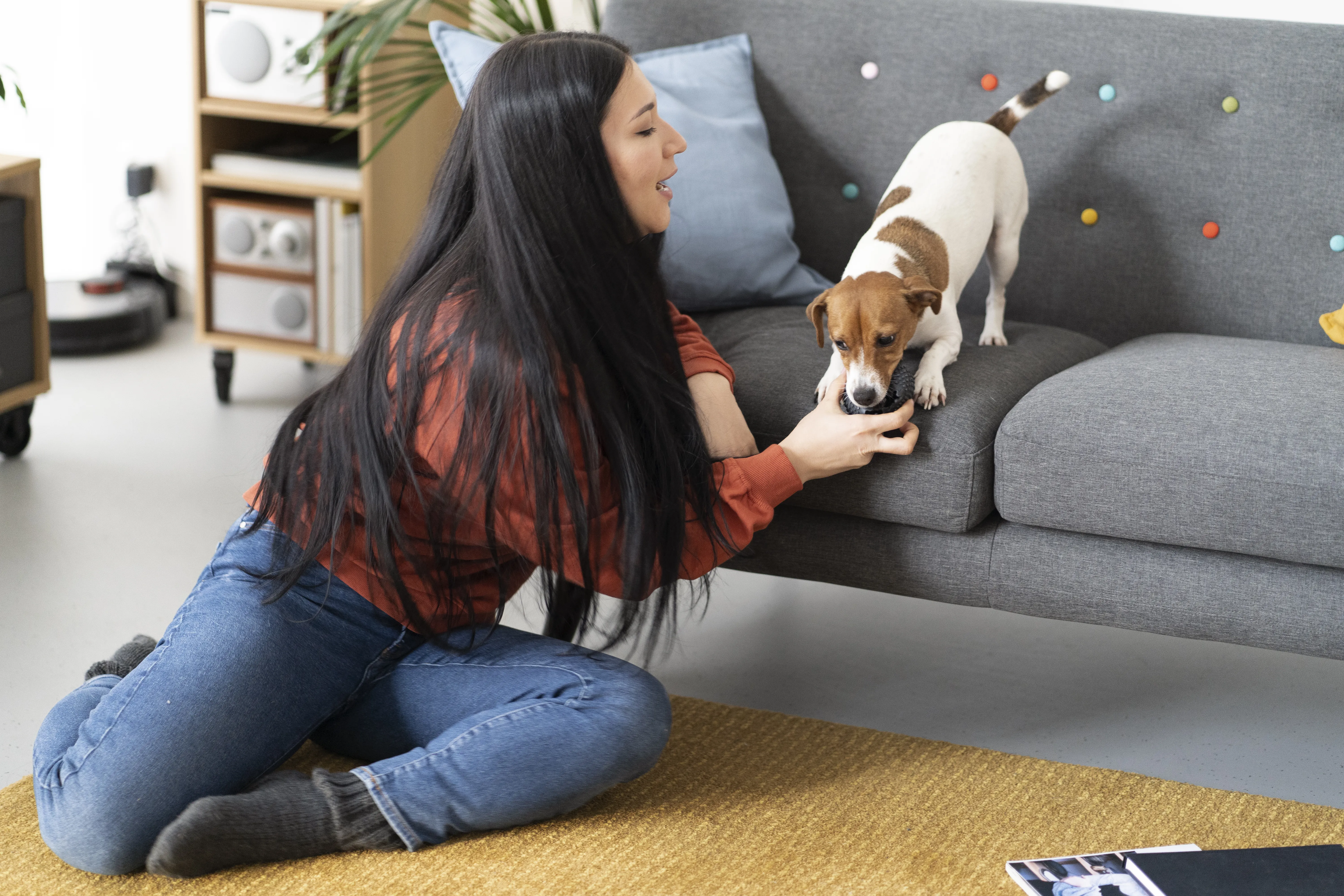
Living with a dog makes your home very joyful, full of companionship, and full of energy in your day-to-day living. Daily life is more dynamic because playful habits, enquiring, and motion influence the utilization of environments and their maintenance.
A dog-friendly space does not equate to a design that will look and feel less aesthetic. Considerable planning and design decisions will enable you to create a house that is conducive to your lifestyle and that of your dog.
Houses that feature breeders such as a friendly Miniature Golden Retriever tend to have clever settings, strong materials, and safe areas. This makes the space flexible enough to accommodate active, loving pets without compromising the neatness and functionality of the interior.
Understanding Your Dog’s Behavior
The first step to creating a pet-friendly home is to identify how your dog reacts to the environment. Each type of habit, whether playful or destructive, offers hints regarding what changes your space might require.
Observe Daily Patterns and Movement
Dogs are habituated to certain things, such as eating, resting, and playing. Observing the areas your dog frequently visits can help identify high-traffic areas that may need additional protection or reinforcement.
Identify Triggers for Unwanted Behavior
Boredom, anxiety, and high energy also often lead to chewing furniture, scratching doors, or digging at carpets. By identifying these triggers, you can implement design solutions to prevent them, including chew-safe materials or interesting alternatives.
Consider Age and Physical Needs
Puppies tend to be more destructive as they explore the world by chewing, and older dogs might need soft surfaces and easier access to necessary places. The personalization of your home according to the stage of your dog's life will guarantee both comfort and safety in the long term.
Adapt to Breed-specific Tendencies
Some of them are highly energetic, whereas others like to relax. Knowing these characteristics helps you make choices about space, longevity, and the materials used in your house.
Smart Tips for Pet-Proofing Your Home
Considerate improvements and planned design changes can help ease daily living and guard your house against damage from a roaming dog.
Choose Durable and Pet-Friendly Flooring
One of the key aspects of pet-proofing your home is flooring. Dogs are capable of scratching surfaces and following dirt, and sometimes spilling. When discussing dog-friendly home flooring, one should focus on options that are both durable and easy to maintain. This enables your space to manage everyday wear, so it does not need to be maintained all the time.
The best flooring choices are:
- Luxury vinyl- Scratchproof, waterproof, and easy to wash.
- Tiled flooring - Strong and suitable in warmer seasons.
- Laminate flooring - Inexpensive and wear-resistant.
- Sealed hardwood - Provides an additional defense and a natural appearance.
High-traffic places should not have carpets because they accumulate smells, hair, and dirt. In case you like the floor rugs, you can use washable low-pile rugs with non-slip backings.
Protect Furniture Without Compromising Style
Dogs enjoy relaxing on furniture, and this may cause fur and scratches as well as stains. Rather than worrying all the time, select materials that can endure wear.
Smart furniture choices:
- Faux or leather to clean easily.
- Fabrics that are woven so that they cannot be torn apart.
- Removable and washable slipcovers.
- Dark colors or patterned designs to conceal fur and stains.
Provision of special dog beds or friendly nooks can also help discourage your dogs from owning your couch.
Secure Storage and Keep Hazards Out of Reach
Dogs are very curious and may explore where they are not allowed, putting them at risk of chewing or consuming dangerous objects when storage is inappropriate. Almost 66% of households have a pet, indicating the growth of shared living spaces with animals.
To make your storage pet-proof:
- Cabinets that have lockable latches should be used.
- Storing cleaning materials and chemicals in an inaccessible place.
- Sealing food in containers.
- Covering electrical cords or using cord guards.
This both keeps your items safe and also helps to avoid accidents and health hazards for your pet.
Design a Dedicated Pet Zone
Allowing your dog its own space helps put order back in your house and provides your animal with a relaxed and known home environment.
Include elements like:
- A bed or a crate.
- Food and water stations.
- Toys and accessories storage.
- Feeding mats that are easy to clean.
This allows a specially designated area to help keep the clatter of pets down to a minimum and keeps the items in order.
Invest in Washable and Easy-to-Clean Materials
Dogs will carry mud, dirt, and some messes into your home. Selecting simple-to-maintain material will save time and labor.
Recommended features:
- Scrubbable paints or washable wall finishes.
- Washable rugs and covers.
- Stain-resistant upholstery
- Waterproof mats around doorways.
Not complicating the cleaning process will keep the house clean and hygienic.
Manage Odors and Improve Air Quality
In the long run, pet odor persists, particularly in stuffy rooms or poorly ventilated spaces, and air quality can be a key factor to consider.
Effective solutions include:
- Suitable ventilation and open windows.
- Air cleaners to eliminate allergens.
- Frequent grooming and cleaning.
- Baking soda is a natural smell weapon for carpet and furniture.
The quality of the air should be good so that you and your pet can enjoy it.
Pet-Safe Landscaping and Entryways
Access to the outdoors enriches dogs, yet much planning is needed to ensure safety and cleanliness during the transition indoors.
Outdoor considerations:
- Plants and non-toxic grass.
- Fence fences to avoid escapes.
- Designated digging areas
- Mats or wash station mud zones.
The interior can have a small cleaning station located near the front door to keep muddy paws down and prevent the spread of dirt within the home.
Prevent Scratching and Damage to Doors and Walls
Scratching on doors and walls is the most common when dogs are excited or nervous. Dogs may scratch doors and walls, which may eventually become visible and require repair if they are not covered with protection.
Protect surfaces by:
- Placing kick plates or scratch guards.
- Having washable wall panels.
- Using protective films on doors.
- Giving scratching options such as toys and mats.
Training is another factor that helps in reducing destructive behavior.
Ensure Safety with Smart Design Choices
Pet-proofing is not only about securing your home, but also your dog. A properly designed house must be more concerned with safety than with beauty, which ensures that adversity is not allowed to take its toll on your pet.
Key safety tips:
- Wrap the edges of furniture.
- Limit access to some places by using baby gates.
- Place protective window screens.
- Keep away from poisonous materials and plants.
With a secure environment, injuries become less likely, and one can be at peace.
Incorporate Stylish Pet-Friendly Decor
Contemporary pet-proofing does not imply a loss of aesthetics. Several brands currently provide fashionable solutions that perfectly fit at home.
Design ideas:
- Pet beds are built into furniture.
- Cabinets with concealed feeding points.
- Aesthetic toy storage baskets.
- Co-ordinated pet accessories to suit your interior theme.
Making considerate decisions allows you to have a beautiful home that is also convenient for your dog.
Conclusion
A well-planned home will make your experience and your dog's more enjoyable and stress-free. Planned decisions of layout, materials, and functionality can change ordinary struggles into daily routines without any sweat.
When your environment feels like it fits within your dog’s habits and liveliness, it becomes a matter of time to keep a clean, tidy, and friendly atmosphere. A home that promotes comfort as well as durability eventually boosts the quality of life to all who share it.


