

Renovating a home in Texas should feel like a rewarding investment, yet many projects end with frustration, blown budgets, and results that fall short of the original vision. The gap between expectation and outcome usually has nothing to do with bad luck. It comes down to early decisions that seemed harmless at the time but quietly shaped the entire project. Understanding where homeowners go wrong is the first step toward avoiding the same fate.
A renovation touches almost every part of daily life, from how a kitchen functions to how a living room feels at the end of a long day. When the process is rushed or poorly planned, the consequences linger for years. The good news is that most regrets are predictable, and predictable problems are preventable.
Overlooking Hidden Damage
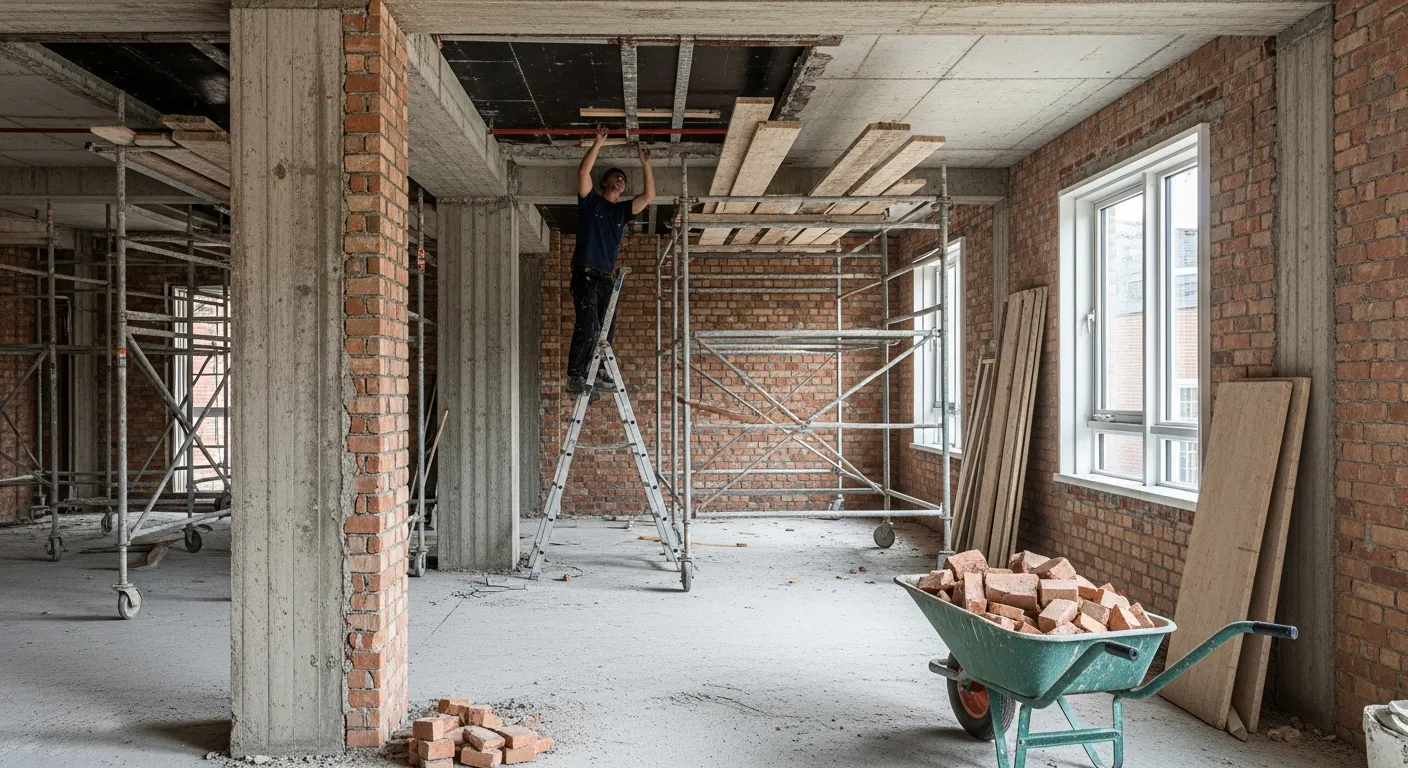
Before any cosmetic upgrade begins, the underlying condition of the structure deserves a careful look. Walls, floors, and ceilings can hide water intrusion, mold growth, or fire damage that no fresh coat of paint will solve, and ignoring these problems only buries them deeper into the new build. Homeowners who renovate over compromised surfaces often find themselves tearing the work apart within a year or two. Experienced home restoration services in TX can handle water mitigation, mold remediation, fire mitigation, and reconstruction before any renovation work begins. Bringing in certified professionals to repair these issues first protects every dollar spent on new finishes and fixtures.
Underestimating the Budget from Day One
Many homeowners begin a project with a number in mind that reflects only the visible costs. They account for materials and labor but overlook permits, design fees, temporary housing if needed, and the inevitable surprises that surface once walls come down. By the time these costs appear, the project is already underway, and stopping is not an option. A realistic approach involves setting aside a meaningful cushion above the initial estimate. That buffer is not a sign of poor planning. It is the mark of a homeowner who understands how real construction unfolds.
Choosing the Cheapest Contractor
Price is a tempting filter when comparing bids, but the lowest number on the page rarely tells the full story. Contractors who undercut the competition often do so by cutting corners on materials, skipping steps in the process, or rushing through work to move on to the next job. The savings disappear the moment something needs to be redone. A better approach involves checking references, reviewing past projects, and paying attention to how clearly each contractor communicates during the initial conversation. The quality of that early dialogue often predicts the quality of the work itself.
Prioritizing Trends Over Timeless Design
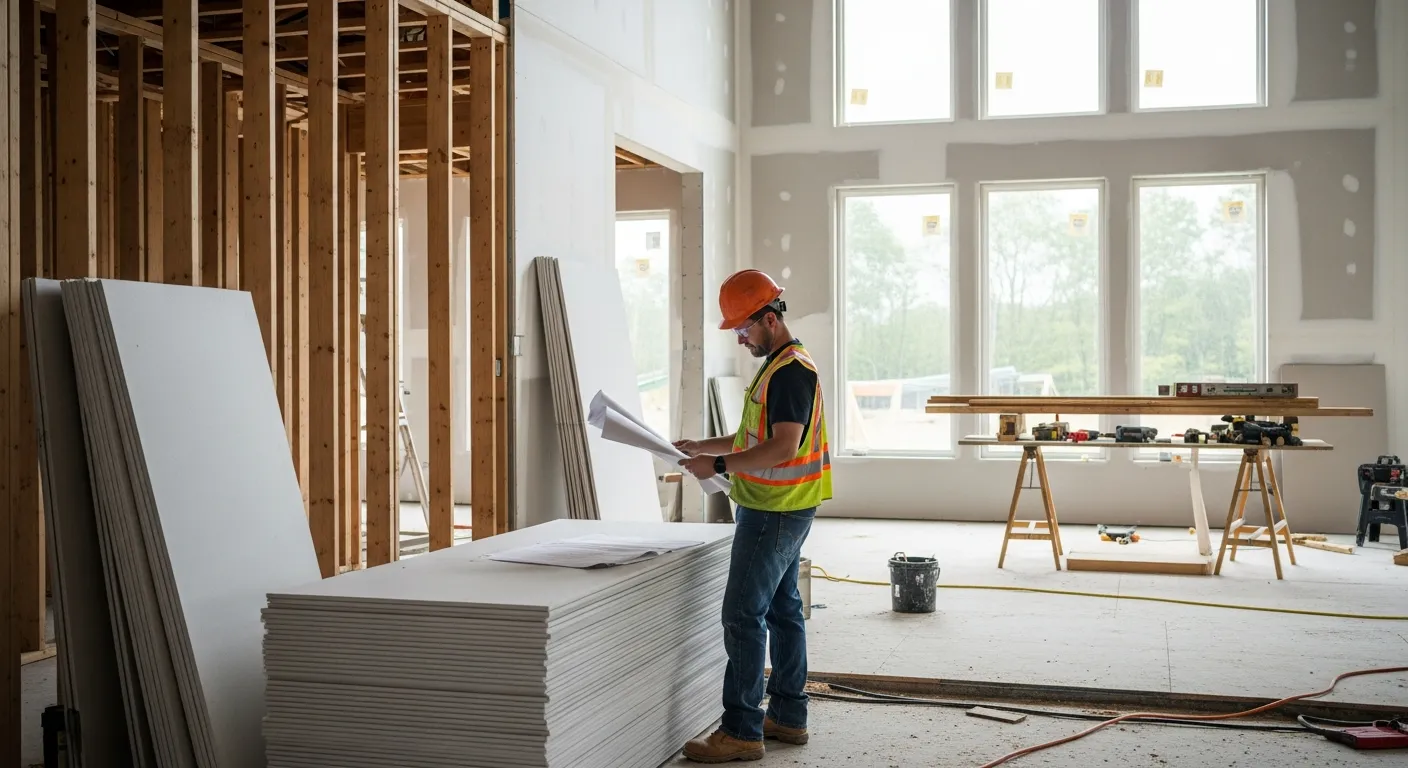
Design trends move quickly, and what feels fresh today can look dated within a few years. Homeowners who commit fully to a trend often regret the choice long before the materials wear out. Bold tile patterns, dramatic color palettes, and statement fixtures may photograph beautifully, but living with them every day is a different experience. A wiser approach involves keeping permanent elements like cabinetry, flooring, and countertops on the timeless side, then introducing personality through items that are easy to swap.
Ignoring the Way a Space Actually Functions
A beautiful kitchen that frustrates the cook every morning is not a successful renovation. Layout decisions deserve more attention than they usually receive, yet homeowners often focus on appearance and assume the function will sort itself out. Outlets end up in the wrong places, storage falls short of daily needs, and traffic patterns create constant friction. Spending time mapping out how a room is genuinely used, from morning routines to weekend gatherings, leads to choices that hold up over years of real living.
Making Permanent Decisions Too Quickly
The pressure to keep a project moving can push homeowners into choices they later wish they had thought through. Tile selections, paint colors, and fixture finishes are often locked in during stressful moments when the contractor needs an answer by morning. Decisions made under that kind of pressure tend to favor speed over judgment. Slowing down at the right moments, even when it feels inconvenient, almost always pays off. Asking for samples, viewing materials in different lighting, and sleeping on major choices are simple habits that prevent long-term regret.
Forgetting About Lighting
Lighting shapes how every other element in a room is perceived, yet it tends to be one of the last considerations in a renovation. Homeowners who rely on a single overhead fixture often end up with spaces that feel flat, harsh, or unwelcoming. Layered lighting, which combines ambient, task, and accent sources, transforms how a room feels at different times of day. Planning these layers early, while walls are still open and wiring is accessible, costs far less than retrofitting them later. A well-lit space hides minor imperfections and elevates even modest finishes.
Overlooking Storage
Storage is rarely glamorous, which is exactly why it gets cut from plans when budgets tighten. Homeowners later realize that cluttered countertops, overflowing closets, and crowded entryways undo much of the visual impact they worked so hard to create. Built-ins, pull-outs, and dedicated spaces for specific items pay back every day. Storage decisions made during the renovation are far cheaper and cleaner than retrofitting cabinets or shelves into a finished room.
Not Living in the Space Before Major Changes
Buyers who renovate immediately after moving in often regret the choices they made before truly understanding the home. A house reveals its quirks over time, from how light moves through rooms to where the natural gathering spots emerge. Waiting at least one full cycle of seasons before committing to permanent changes leads to decisions grounded in real experience rather than assumptions. The patience required is small compared to the cost of redoing work that never quite fits.
Renovation regret is rarely about a single bad choice. It builds slowly through small decisions that seemed reasonable in the moment. Approaching the process with patience, honest budgeting, and respect for what the home is already telling you tends to produce results that hold up long after the dust settles.


