

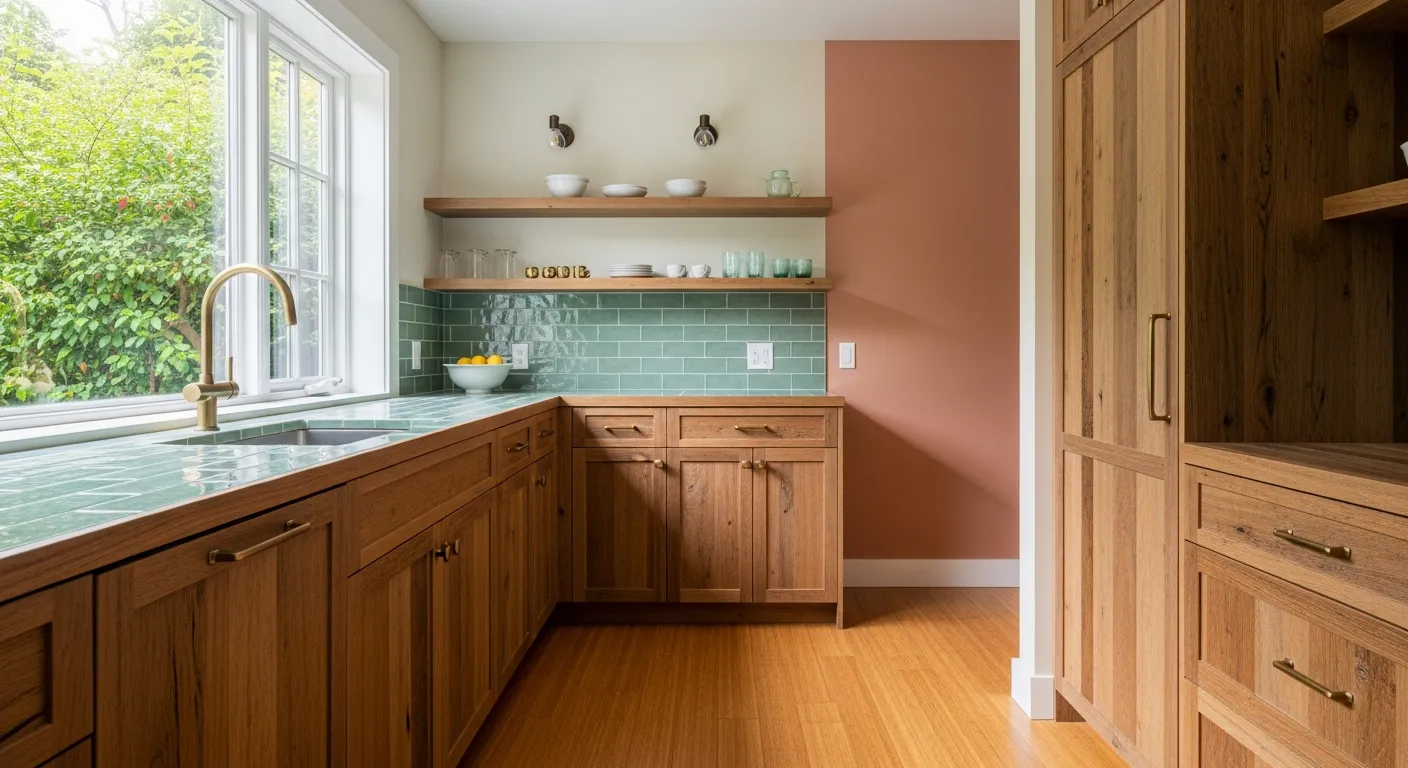
In the past, choosing eco-friendly materials for home renovations often meant sacrificing aesthetics and function for sustainability. However, modern sustainable design offers textures and finishes that often surpass traditional options in both beauty and longevity. By understanding the key components available in today’s market, you can create a home that supports both the planet and your well-being.
Eco-Friendly Flooring Solutions
If you’re looking for an eco-friendly flooring material with the same strength as traditional hardwood alternatives, bamboo is a top option. This grass reaches maturity in just four to eight years, making it much more renewable than typical options. Its natural tensile strength allows it to withstand heavy foot traffic while still providing a sophisticated aesthetic.
Another great option is cork flooring. The material is harvested from the bark of cork oak trees, allowing the tree to continue growing and absorbing carbon. Furthermore, cork is hypoallergenic and provides great thermal insulation. If you prioritize comfort, this material feels soft underfoot and significantly reduces noise levels. It’s a strong choice for areas in your home where people stand for long periods, like a kitchen.
Reclaimed wood is another sustainable flooring material that provides a strong structural foundation for a home while adding a rustic, historical feel. Repurposing wood in this manner prevents further deforestation and adds a unique character to your living space.
Sustainable Countertops and Cabinetry Ideas
There are many inventive ways to sustainably approach countertops and cabinetry that add character to your home. For example, countertops made from recycled glass have a mosaic-like quality, adding a distinct beauty to your home from materials that would otherwise be taking up space in a landfill. Manufacturers typically put the glass into a resin or cement binder, creating a nonporous and heat-resistant surface that’s highly durable.
When searching for eco-friendly cabinetry, look for products certified by the Forest Stewardship Council (FSC). This ensures that the wood is derived from forests managed under strict environmental standards. Choosing FSC-certified products supports global forest conservation movements and helps you feel confident that your home renovation practice is ethical.
Paper-based composites are an effective alternative for high-use surfaces. Made from recycled paper compressed with non-petroleum resins, the end product is surprisingly dense, achieving a wood-like structural integrity. Aesthetically, they have a sleek and stone-like appearance.
Building an Efficient and Environmentally Friendly Bathroom
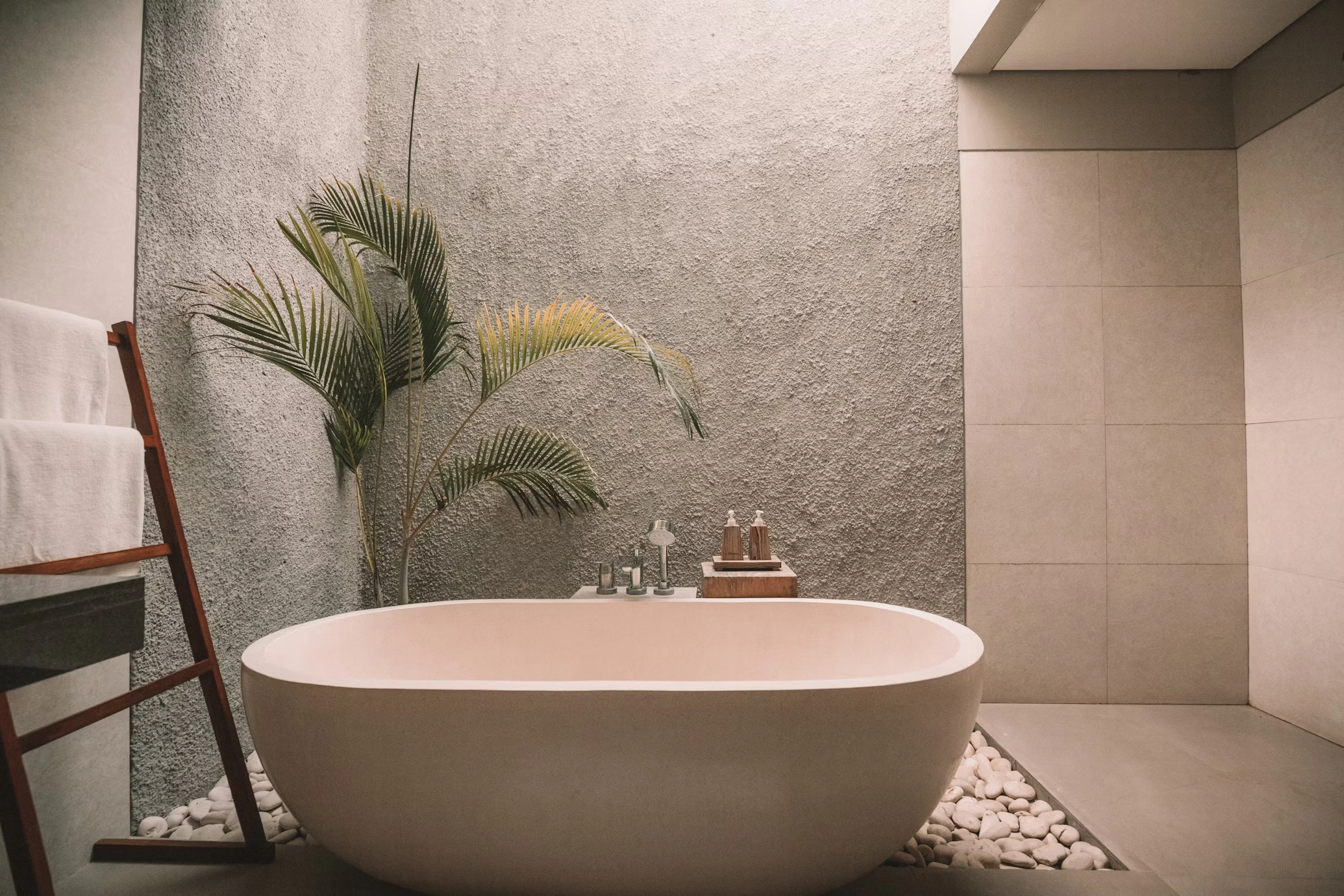
Sourcing bathroom components sustainably is a unique challenge due to their specific humidity and environmental conditions. Recycled ceramic tiles are a durable choice for shower floors, as they resist moisture and do not promote mold growth. Alternatively, natural stone is a great option for homes that prefer a more “earthy” vibe, as it requires minimal manufacturing and is extremely durable.
An often-overlooked aspect of a sustainable home renovation is ensuring that your home's systems are optimized for efficiency. Bathrooms are a significant source of water waste, so a renovation creates an opportunity to optimize water use. Modern low-flow fixtures reduce water usage without sacrificing water pressure.
Embracing these systems is particularly meaningful, given that the United States is the third-largest consumer of water worldwide, with considerable amounts used wastefully. These small changes both benefit the environment and significantly lower utility bills.
Creating a Healthy Atmosphere: Walls and Finishes
The paint you use in your home directly affects its air quality. Using chemical-based paints can release Volatile Organic Compounds (VOCs) into your home, potentially causing respiratory irritation. To mitigate these risks, consider opting for low-VOC or natural milk paints that use mineral pigments to achieve the desired color depth without the associated health costs.
Furthermore, embracing natural plasters made from clay or lime introduces breathability to your living environment that is impossible with drywall or synthetic paint. These materials can absorb and release moisture in a room, regulating indoor humidity. They also have a soft yet matte texture that many homeowners prefer.
It’s also important to consider what’s behind your walls. While fiberglass is a standard insulation material, it requires significant energy to produce and can be difficult to handle. More eco-friendly alternatives include sheep’s wool or hemp, which provide the home’s climate with adequate protection without the same environmental impact as the more popular alternatives. At the same time, they provide superior soundproofing and air quality, making them a sound investment for any living space.
Building a Home That Benefits You and the Environment
Oftentimes, the choice that’s best for the environment is the choice that’s best for your family. When you prioritize high-quality and ethically sourced components to build your home with, it reflects in the quality of your living environment. While sustainably rebuilding a home can often be an arduous and costly process, there are few investments more valuable than in the longevity of your loved ones and the world that they live in.


