

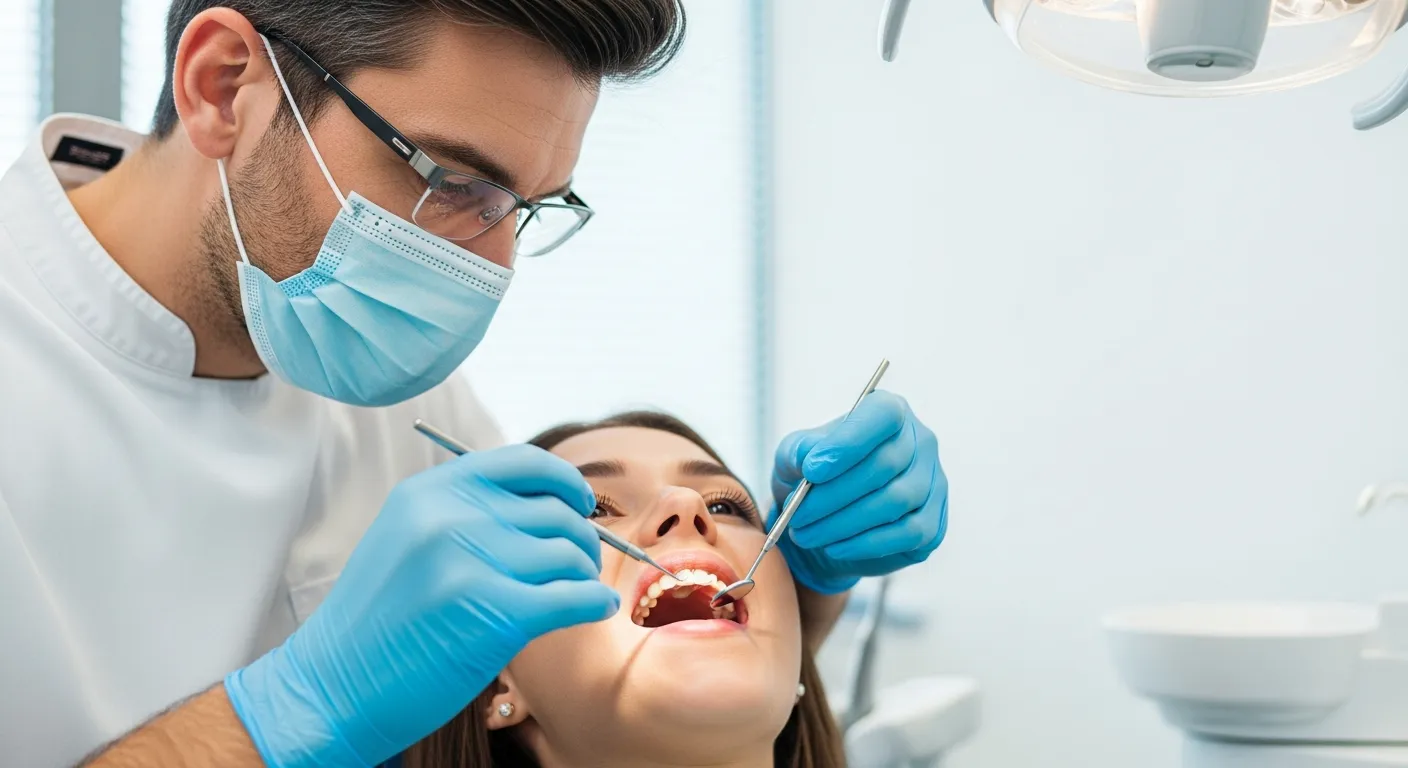
Spend enough time in a dental practice and you start to notice patterns that go beyond teeth. A patient comes in with inflamed gums, and somewhere in the conversation, you learn they’ve been less active lately. Another patient—well into their seventies—has remarkably stable periodontal health, and casually mentions their daily resistance workouts. It’s not a coincidence.
The mouth doesn’t exist in isolation, and by now, most clinicians are familiar with the oral-systemic health connection. What’s often overlooked, though, is how something as simple as a patient’s fitness routine can quietly shape their oral health outcomes.
Let’s talk about that.
Movement, Inflammation, and the Gums
At the core of many oral health issues in older adults—especially periodontal disease—is inflammation. Chronic, low-grade inflammation tends to rise with age, and it doesn’t just affect joints or cardiovascular health. It shows up in the gingiva too.
Regular physical activity helps regulate this inflammatory response. When seniors stay active, their bodies get better at managing inflammatory markers, which can directly influence the severity of gum disease. You’ll often see it clinically: patients who move more tend to present with less bleeding, less swelling, and generally healthier periodontal tissue.
It doesn’t require marathon training. Even consistent, moderate exercise—walking, light resistance training, or guided routines using safe gym equipment for seniors—can make a noticeable difference over time.
The Speediance Home Gym serves as an ideal solution, providing safe, guided strength training for older adults. Its AI-powered system ensures movements are controlled and form-correct, minimizing injury risk while effectively promoting the regular, moderate activity that helps modulate systemic—and by extension, oral—inflammation. It transforms the general advice to “stay active” into a tangible, safe, and sustainable practice for senior patients.
Circulation: The Quiet Game-Changer
Healthy circulation is one of those invisible benefits of exercise that rarely gets enough attention in dentistry. But it matters. A lot.
Improved blood flow means better oxygen and nutrient delivery to oral tissues. It also supports faster healing, whether that’s after a routine cleaning, periodontal therapy, or more involved procedures.
For older adults, circulation naturally declines. Add in sedentary habits, and the oral tissues can become more vulnerable. When patients incorporate movement into their routine, even something as simple as strength training for older adults, they’re essentially improving the body’s ability to maintain and repair oral structures.
It’s subtle, but clinically meaningful.
Muscle Strength and Daily Oral Care
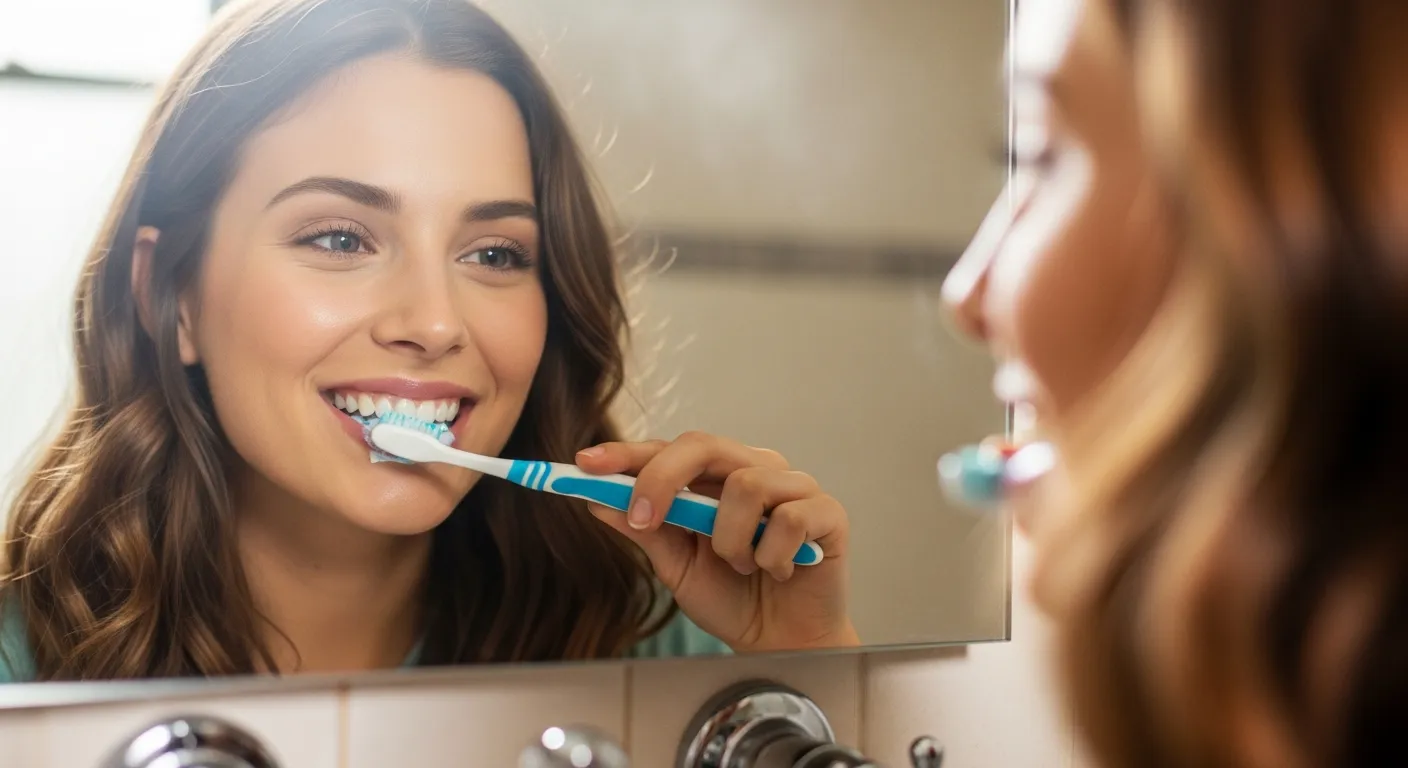
Here’s something that doesn’t get talked about enough: physical strength directly impacts oral hygiene habits.
Brushing and flossing require dexterity, grip strength, and coordination. For seniors dealing with muscle loss or joint stiffness, these everyday tasks can become more difficult than they admit. And when oral hygiene slips, the effects show up quickly.
Patients who engage in regular strength-building exercises tend to maintain better motor control and endurance. That translates into more effective brushing, better flossing technique, and overall consistency in oral care routines.
It’s not just about having the right tools—it’s about being physically able to use them well.
Dry Mouth, Medications, and Lifestyle Balance
Many senior patients are on multiple medications, and xerostomia is a common side effect. Dry mouth increases the risk of caries, gum disease, and discomfort.
Interestingly, physically active individuals often manage these side effects better. Exercise can help regulate metabolism, improve hydration habits, and support overall physiological balance.
Active patients tend to drink more water, maintain better routines, and stay more in tune with their bodies. That awareness often spills over into how they manage oral discomfort or dryness.
It’s not a cure, of course. But it’s part of a bigger picture where lifestyle supports oral health rather than working against it.
The Role of Routine and Mental Health
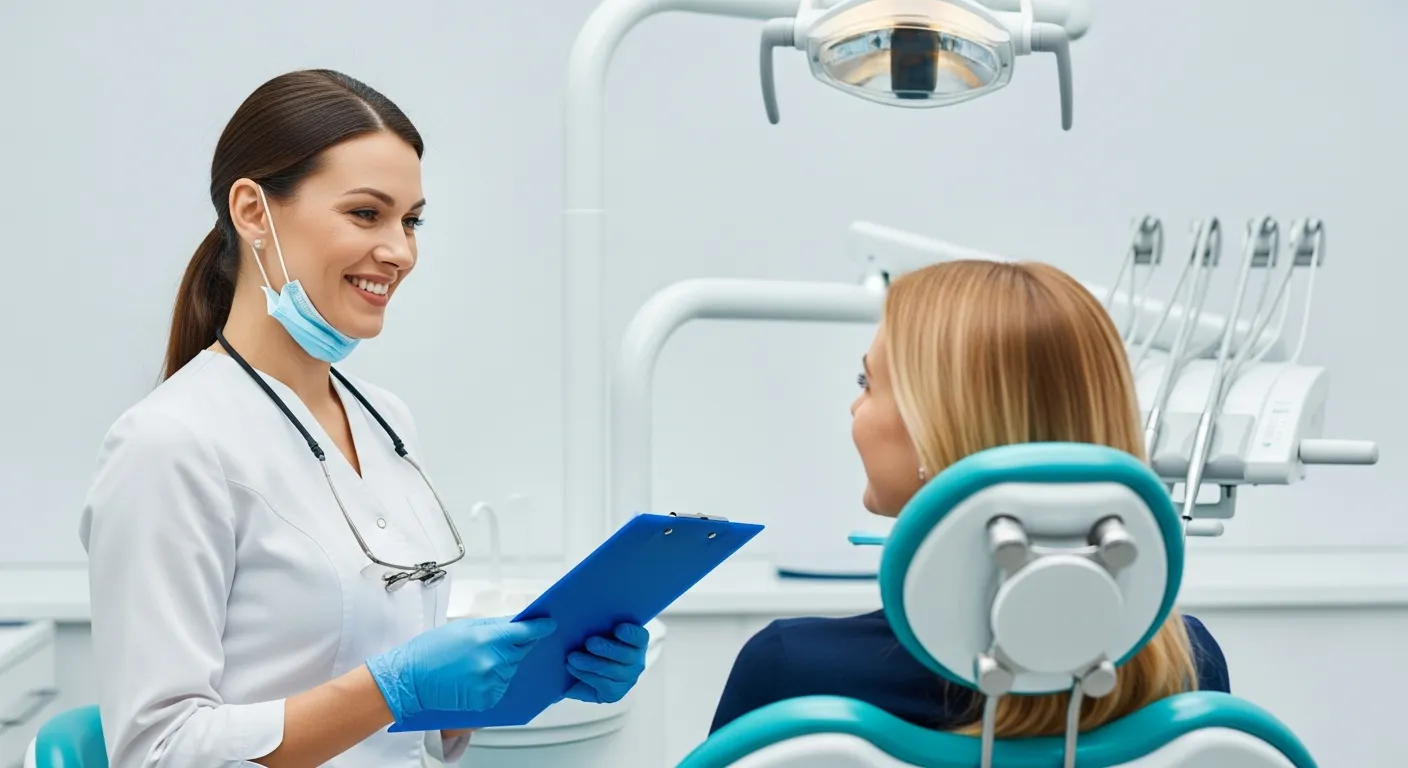
There’s also a behavioral side to this. Patients who commit to a fitness routine often develop a broader sense of discipline and self-care. They’re more likely to keep appointments, follow post-treatment instructions, and stay consistent with oral hygiene.
And then there’s mental health. Regular physical activity is strongly linked to reduced stress and improved mood. That matters more than we sometimes acknowledge.
Stress can contribute to bruxism, neglect of oral care, and even immune suppression. When seniors stay active, they’re not just supporting their bodies—they’re creating stability in daily life, which can positively influence oral health habits.
Bone Health: Not Just a Skeletal Issue
We tend to think about bone density in terms of fractures and osteoporosis, but it has a direct connection to oral health too—especially when it comes to alveolar bone support.
Weight-bearing and resistance exercises help maintain bone density. For seniors, this can play a role in preserving jawbone integrity, which is critical for tooth stability and successful outcomes with implants or dentures.
Patients who incorporate strength training for older adults into their routine may, over time, experience slower bone loss compared to sedentary peers. Again, it’s not dramatic overnight change—but it’s cumulative, and it matters.
What This Means in Practice?
So where does this leave us as dental professionals?
It doesn’t mean we suddenly become fitness coaches. But it does mean we start asking better questions. Simple ones.
“How active are you these days?”
“Do you have a routine that keeps you moving?”
These conversations can open doors. Sometimes patients don’t realize the connection themselves. When you explain that their gum health, healing capacity, or even dry mouth could be influenced by their activity level, it clicks.
You can also gently guide them toward practical options. Not intense workouts, but accessible, safe approaches—like using Speediance home gym for seniors or joining structured programs designed for their age group.
The goal isn’t perfection. It’s consistency.
A More Integrated View of Care
The more we understand the oral-systemic connection, the harder it becomes to treat the mouth as a separate entity. Fitness habits, diet, sleep, stress—they all weave into oral health outcomes.
For senior patients, this interconnectedness becomes even more pronounced. Small lifestyle changes can have amplified effects, both positive and negative.
Encouraging movement isn’t outside the scope of dental care. It’s part of a more holistic approach—one that recognizes that healthy gums and teeth are supported by a healthy body.
And honestly, once you start looking for these patterns, you’ll see them everywhere.
Final Thoughts
There’s something reassuring about this connection. It means that improving oral health doesn’t always require complex interventions. Sometimes, it starts with a walk, a light workout, or a simple shift in daily routine.
As clinicians, we’re in a unique position to notice these links and guide patients toward better overall health. Not by overwhelming them, but by helping them connect the dots.
Because in the end, a healthier body almost always supports a healthier mouth—and for our senior patients, that relationship can make all the difference.


