

Noise rarely comes from just one source, and that’s why small, practical changes often work better than a single big fix. When you seal gaps, add soft materials, and adjust your layout, your home starts to feel calmer and more controlled. You don’t need perfection—you just need consistency and a bit of intention in how you approach each space.
Start With the Weakest Entry Points
When you think about noise entering your home, windows often take the biggest hit. Thin glass does very little to stop traffic, neighbors, or street activity, so sound just slips right through. That’s why upgrading or reinforcing your windows can make a noticeable difference, especially if your home faces a busy area.
Doors can be just as problematic, particularly if they open toward hallways or shared spaces. Even small gaps around the frame allow sound to leak in, which becomes obvious at night when everything else quiets down. You’ll notice conversations, footsteps, and even distant echoes far more than you’d expect.
A quick fix is to check the seals around your windows and doors. Worn-out weatherstripping loses effectiveness over time, so replacing it restores that barrier. It’s a simple upgrade, but it helps block both drafts and noise, which makes your space feel more controlled and comfortable overall.
In some cases, you’ll want a more targeted solution, and that’s where something like acoustic window inserts comes in. They sit inside your existing window frame and add another layer of sound resistance without requiring a full replacement. You get better noise reduction without committing to expensive construction work.
Add Soft Materials That Absorb Sound
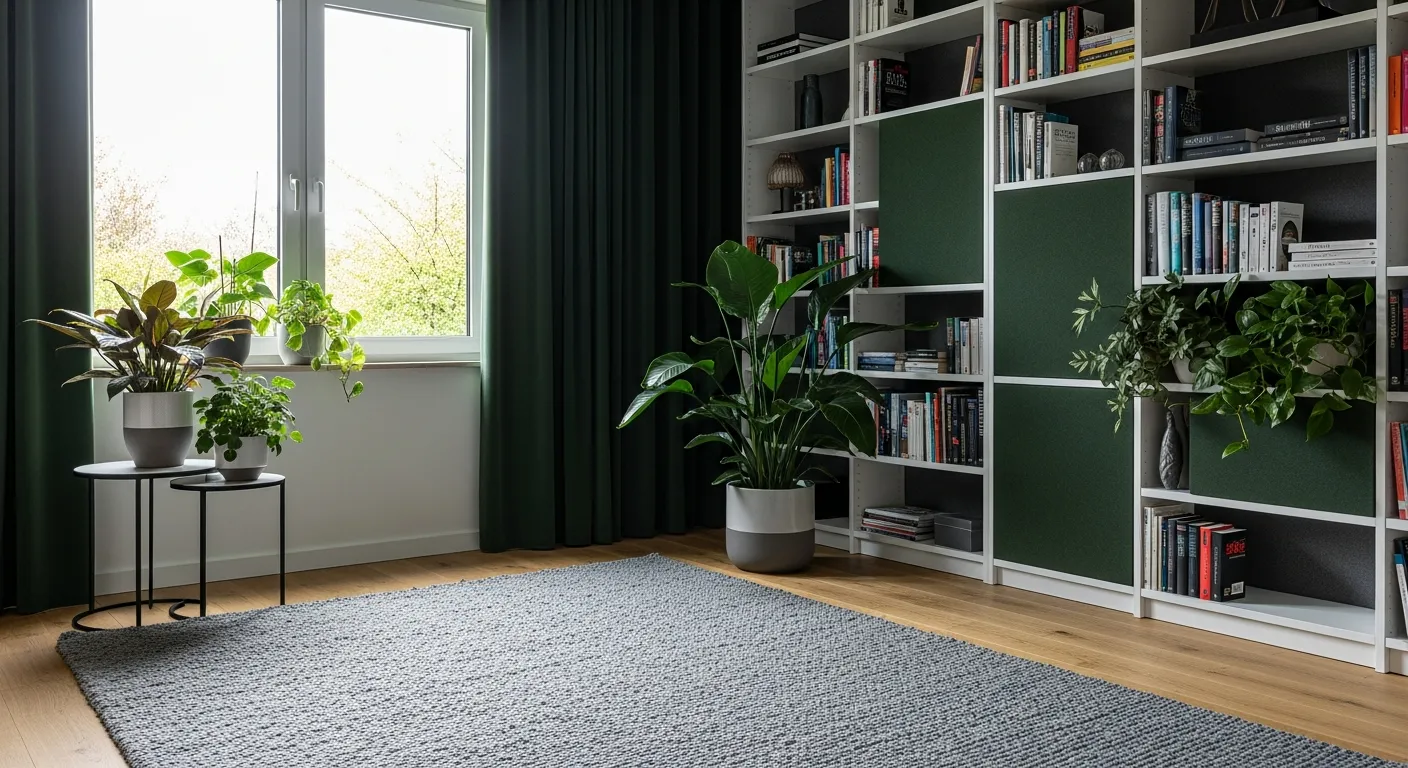
Hard surfaces reflect sound, which is why empty or minimally furnished rooms tend to feel louder than they actually are. Introducing rugs and carpets helps break that effect. They absorb vibrations rather than reflect them, which immediately softens footsteps, voices, and background noise throughout the room.
Curtains play a similar role, especially when you go for thicker, heavier fabrics. Lightweight curtains may look good, but they won’t do much for sound. Dense drapes, on the other hand, add another layer between your interior and the outside, reducing both echo and noise from outside.
Furniture choices matter more than people usually think. Upholstered pieces, like sofas and armchairs, absorb sound rather than bounce it around. If you already have them, it’s just a matter of positioning them strategically. If not, adding even one or two soft pieces can noticeably change how a room sounds.
Wall decor doesn’t have to stay purely decorative. Fabric-based pieces, like tapestries or padded panels, help reduce echo and make conversations feel more contained. You’re not just decorating at that point—you’re actively shaping how sound behaves in your space, which creates a more comfortable environment overall.
Rearrange Furniture to Block Noise
Sometimes, you don’t need to buy anything new—you just need to rethink where everything goes. Large furniture pieces can act as barriers if you place them correctly. For example, a bookshelf against a shared wall adds mass, which helps block noise coming from the other side.
Sofas and chairs can also help if you position them near the source of noise. Instead of placing everything purely for aesthetics, think about how sound travels. A well-placed sofa can reduce the amount of noise that spreads into the rest of the room, especially in open-plan spaces.
Storage units and cabinets work in a similar way. When you fill them with items, they become even more effective at dampening sound. You don’t need anything fancy here—just making better use of what you already own can lead to noticeable improvements in how quiet your home feels.
Bedrooms benefit the most from this kind of adjustment. If outside noise bothers you at night, try rearranging the layout so your bed sits farther from windows or shared walls. Even small changes like this can make it easier to relax and fall asleep without constant interruptions.
Seal Gaps Around Doors and Walls
Tiny gaps might not look like much, but they let a surprising amount of noise pass through. Door sweeps help seal the gap between the bottom of the door and the floor, blocking both drafts and sound. It’s a small addition, but you’ll notice the difference almost immediately.
Cracks along walls or window frames create similar issues. Applying caulk seals these openings and prevents sound from slipping through. You don’t need advanced skills for this—just a bit of patience and attention to detail can significantly improve the situation.
Foam tape works well for sealing edges around doors and windows. It compresses when you close the door, creating a tighter seal that reduces noise leakage. It’s also inexpensive, which makes it one of the easiest upgrades you can make without overthinking the process.
People often overlook outlets and vents, but they can act like small tunnels for sound. Covering or insulating these areas reduces that effect. Once you address all these small gaps together, the cumulative result becomes much more noticeable than any single fix on its own.
Control Noise From Appliances
Appliances generate a lot of vibration, which easily turns into noise if left unchecked. Washing machines and dryers, in particular, can create a constant hum or rattling sound. Placing rubber pads underneath them helps absorb those vibrations and keeps them from spreading through the floor.
Sometimes, the issue isn’t placement but the appliance itself. Older models tend to be louder, so upgrading to quieter versions makes sense if noise bothers you regularly. Modern designs often focus on reducing operational sound, which makes everyday use far more comfortable.
Maintenance plays a bigger role than most people expect. Loose parts, worn components, or uneven placement can all increase noise levels. Taking the time to check and maintain your appliances keeps them running smoothly and prevents unnecessary sound from building up over time.
Where you place appliances matters just as much. Keeping them away from bedrooms or living areas reduces how much noise reaches those spaces. If relocation isn’t possible, adding barriers or insulation nearby can still help limit how much sound travels through your home.
Wrap Up
At the end of the day, reducing noise pollution comes down to awareness and smart adjustments. You see, every layer you add—whether it’s insulation, furniture, or outdoor barriers—contributes to a quieter environment. Stick with gradual improvements, and you’ll create a home that feels more peaceful, comfortable, and easier to enjoy.


