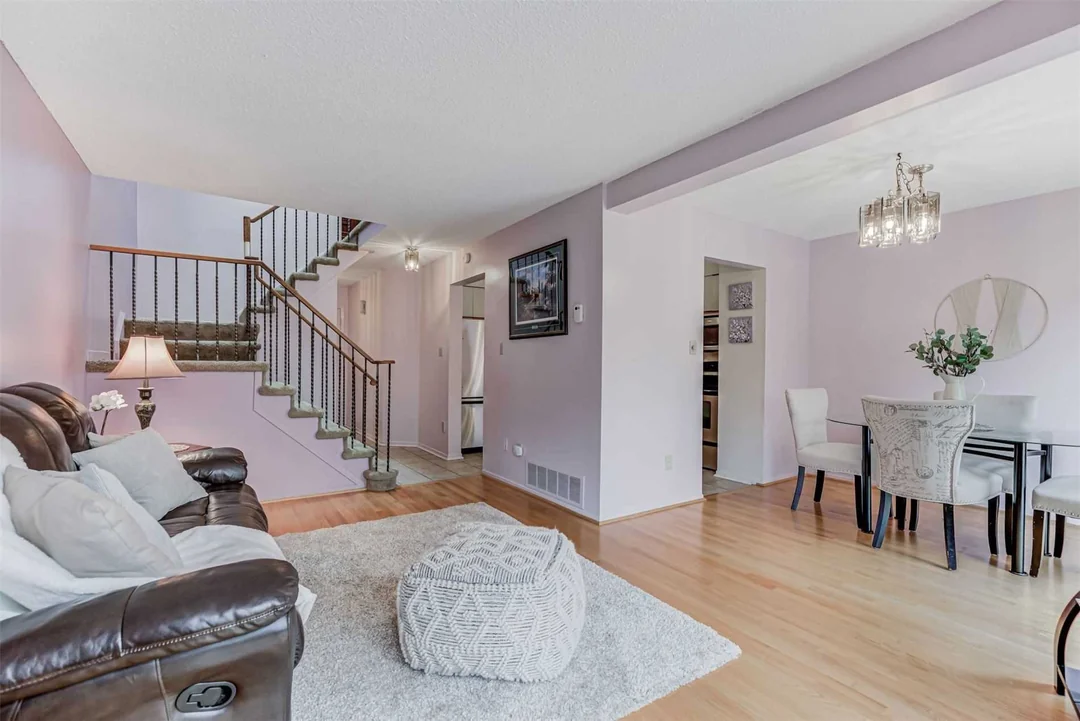
I painted a lilac accent wall in my reading nook two years ago, and the first mistake I made was assuming any pastel would sit next to it. It didn't. Baby pink turned the room saccharine, and a warm cream I loved elsewhere looked slightly yellow and off against the purple. The color that goes with Lilac depends entirely on which lilac you actually bought. Lilac is more particular than it looks on a paint chip, and that's the part most guides skip.
Know More About Lilac
Lilac isn't one color, but rather a different undertone. Some lean pink and warm, close to a dusty mauve, while others lean blue and cooler, closer to a pale periwinkle. The best way to test the undertone of Lilac is to hold your swatch up next to a plain white sheet of paper in daylight. If it looks faintly pink, you have a warm lilac. If it looks faintly gray or blue, you have a cool one. Everything below changes depending on which side you land on.
This matters more in rooms that don't get much direct sun. My reading nook faces north, and the same lilac swatch that looked crisp and lavender-blue on a south-facing wall in a friend's apartment turned almost gray in my room by late afternoon. If you're painting a north-facing room, lean warmer with your lilac and warmer with whatever you pair it with, else the whole space can read a little flat and cold by 4 p.m.
Best Colors for Warm, Pink-Leaning Lilac
Warm, pink-leaning lilac pairs best with soft neutrals that don't fight its undertone: warm white, not stark white, which can look chalky next to it, plus oatmeal and a muted taupe. I tried a bright white trim against a pink-lilac wall once, and it read cold within a week, so I switched to an off-white with a hint of yellow and the room settled down almost immediately.
Best Colors for Cool, Blue-Leaning Lilac
Cool, blue-leaning lilacs are more forgiving. It sits well against charcoal gray, a deep forest green, or navy for contrast, and against dove gray or soft white for something calmer. Charcoal trim in particular does a lot of work here; it grounds the room instead of letting the lilac float, and after living with a charcoal baseboard in a blue-lilac hallway for about eight months, it's still the pairing I'd recommend first if someone asked me for one answer.
Accent Colors Worth Testing: Mustard, Ochre, and Terracotta
-
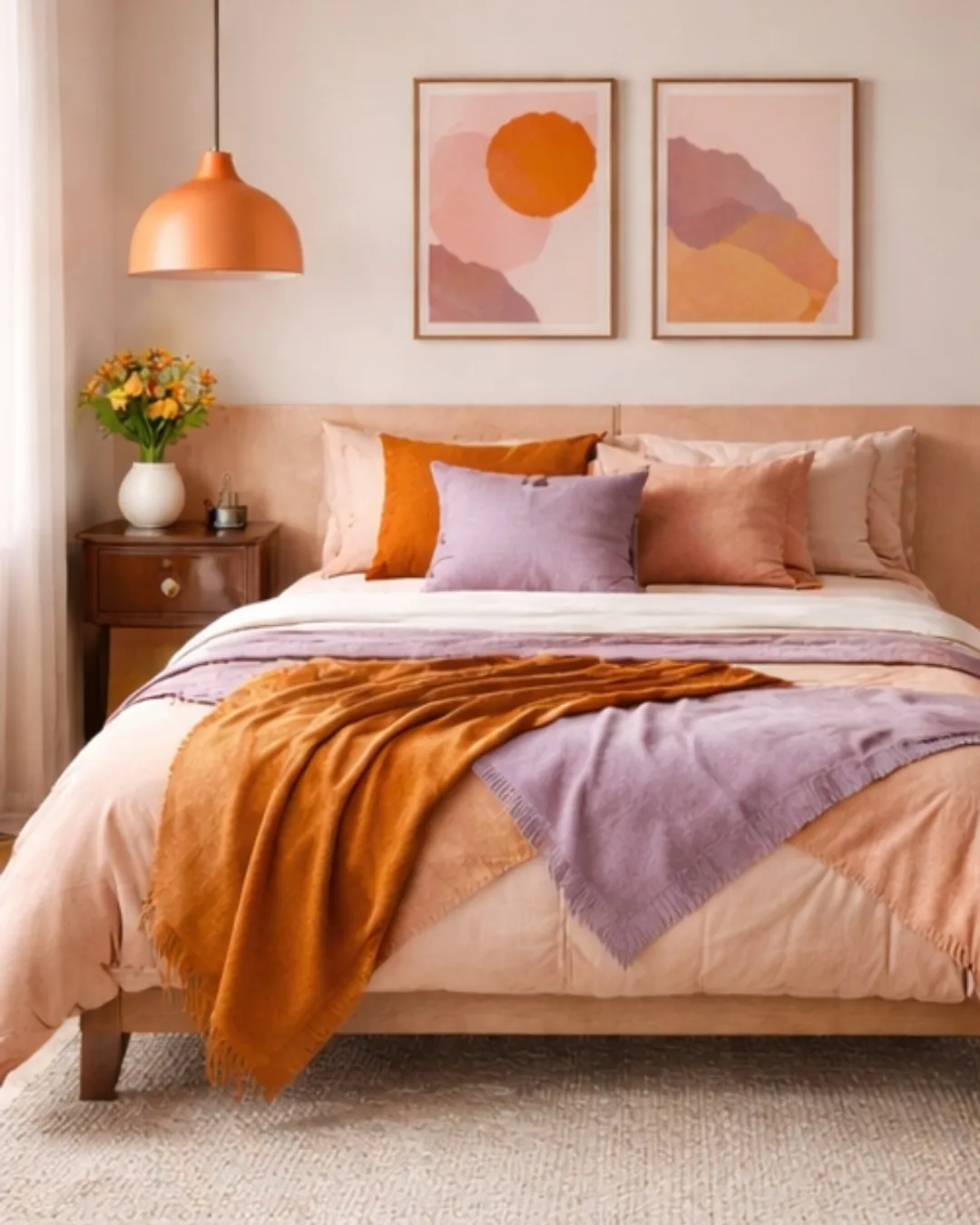
For accent colors rather than full walls, mustard and ochre are worth trying if your lilac has any warmth to it. It sounds like it shouldn't work, and the first swatch I tested looked wrong under fluorescent light. However, under a warm bulb at night, the two colors settled into something closer to a vintage floral print than a clash.
-
That's the trade-off with mustard, it depends heavily on your bulb temperature, so test it after dark, not just at midday.
-
Terracotta works on the same logic, It looked muddy against a cooler lilac sample I tested in the same room, but next to the warmer, pinker lilac in my hallway it read almost Mediterranean.
The Safe Bet: Sage and Olive Green
Sage and olive green blend almost perfectly with either undertone, which is probably why they show up in almost every lilac room that photographs well. They're not exciting, but they're reliable, and reliability is underrated when you're the one living with the wall.
Combine Blush Pink With Lilac
Blush pink and lilac make a soft pair, making them best fit for bedrooms and dressing areas. You can balance the pastel color (lilac and blush pink) with white and cream. To add a refined touch, add metallic accents like brushed gold.
Colors That Didn't Work With Lilac Walls
You should never stack lilac with more than one pastel in the same room. I tried lilac, blush, and mint together in a small bedroom once, and it read more like a nursery than the soft, layered look I was going for. One strong neutral plus one or two intentional accent colors holds up better than three pastels competing for attention.
Trim, Finish, and Related Reading
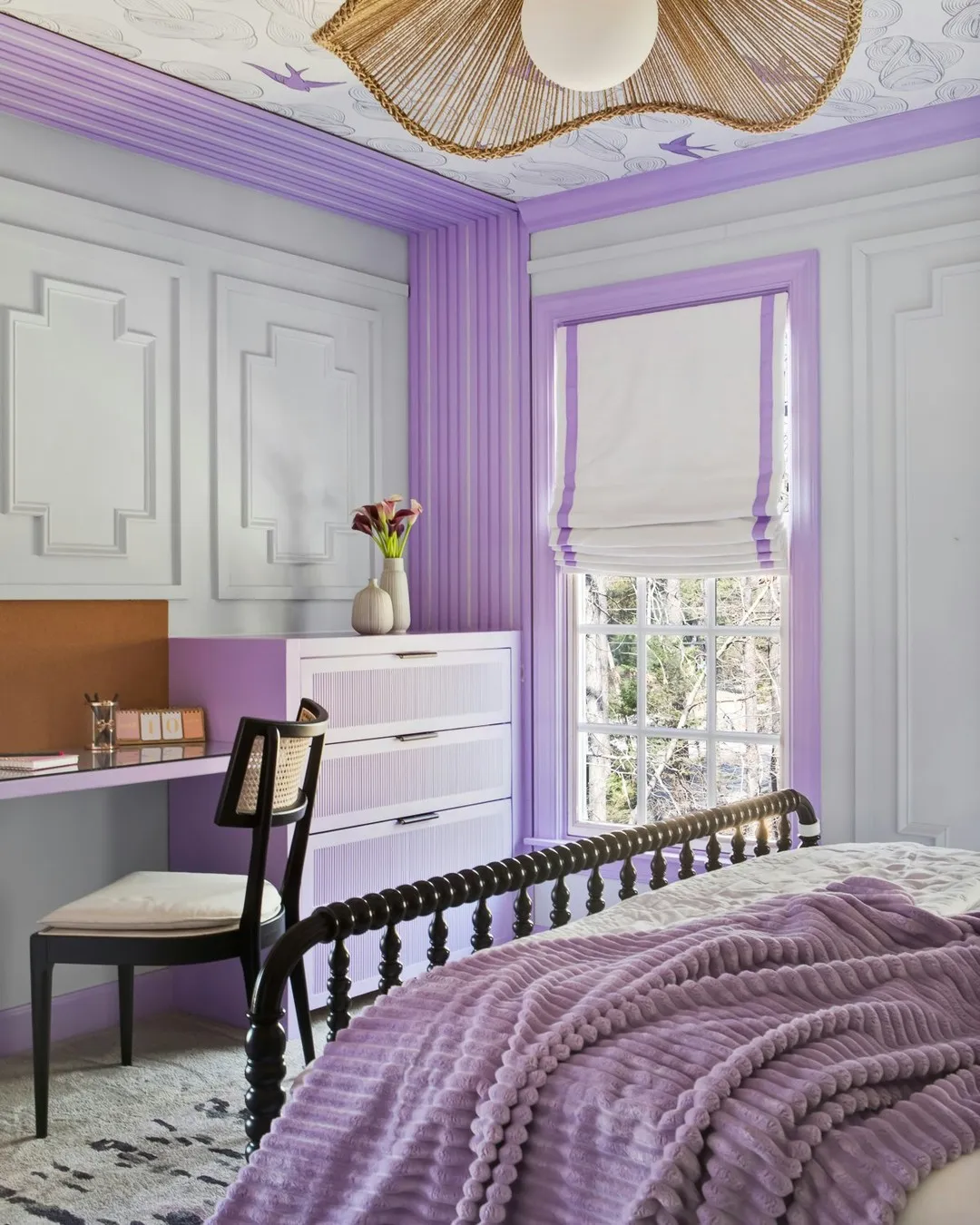
Trim and ceiling color matter as much as the wall color you pick next to lilac, and if your room has wood trim you're keeping natural, it's worth checking how the undertones interact before you commit to paint. We've covered that in more detail in our guide to wall colors that work with dark wood trim. And whichever accent color you land on, the sheen you choose changes how saturated it looks under different light, which we get into in our interior paint finish guide.
If you want the fuller palette, including how lilac works with metallics, brights, and darker jewel tones, we mapped out a wider set of options in our main lilac color pairing guide. This piece is really the narrower follow-up, the pairings worth committing to on a wall, not just a mood board.
For the underlying logic of why some of these pairings work, and others clash, the color theory primer from Virginia Commonwealth University's library guides is a solid, non-commercial explanation of complementary and analogous color relationships if you want to go deeper.