

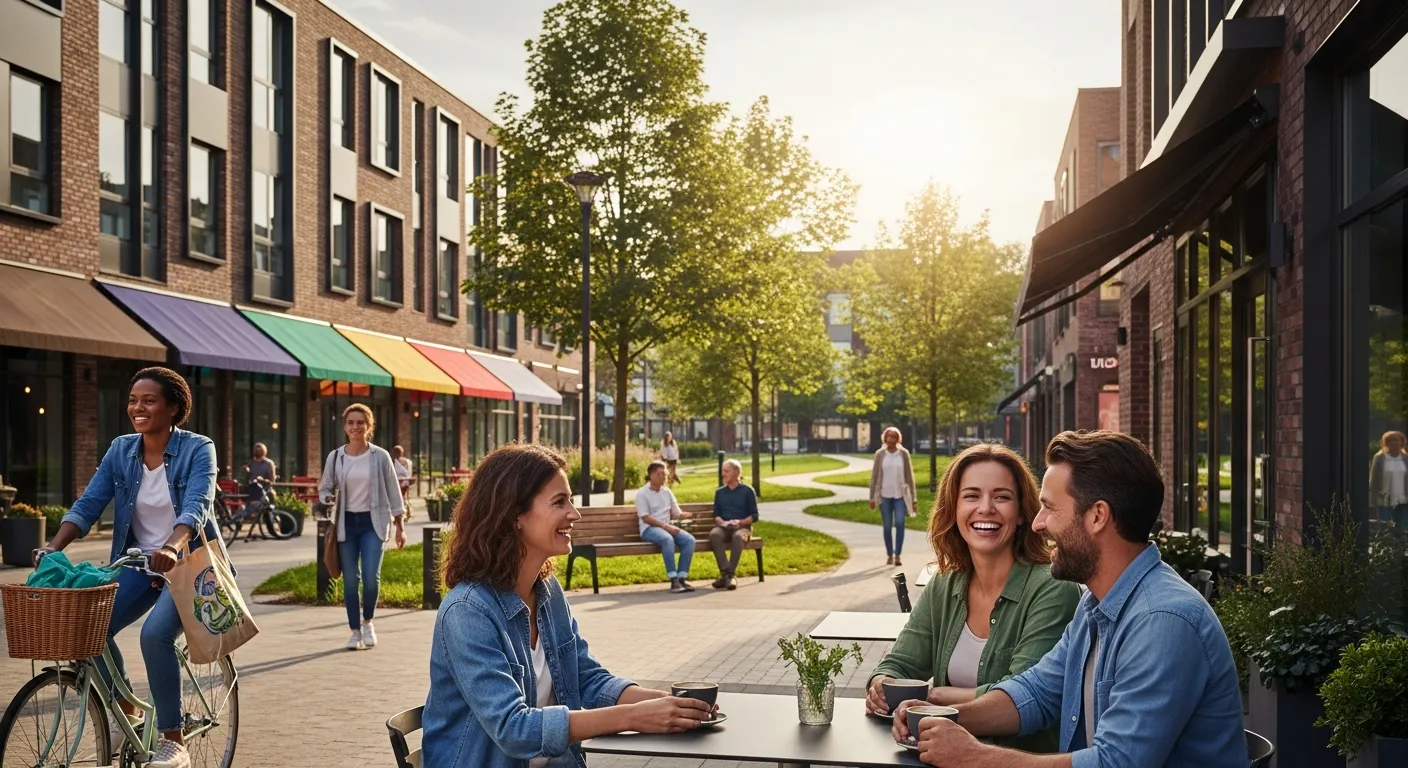
The modern homebuyer is no longer looking only for square footage, curb appeal, and a convenient address. More adults are prioritizing neighborhoods that support the way they want to live every day. They want comfort, connection, practical amenities, low-maintenance homes, and a sense of belonging that traditional neighborhoods often fail to provide.
Lifestyle-focused neighborhoods have grown in popularity because they offer more than a place to live. They create an environment where residents can stay active, build relationships, simplify daily routines, and enjoy a stronger quality of life.
What Is a Lifestyle-Focused Neighborhood?
A lifestyle-focused neighborhood is a residential community designed around everyday convenience, shared amenities, social opportunities, and long-term comfort. Instead of treating the home as the only selling point, these neighborhoods place equal importance on the surrounding experience.
Common Features Include:
- Walking paths and green spaces
- Clubhouses or gathering areas
- Fitness centers and wellness amenities
- Pools, courts, and recreational facilities
- Organized events and resident activities
- Low-maintenance home designs
- Convenient access to shopping, healthcare, dining, and entertainment
These features make daily life easier, more enjoyable, and more connected.
The Shift Toward Experience-Based Living
Adults are increasingly choosing homes based on how neighborhoods feel, function, and support their lifestyles. A large home in an isolated area may no longer be the ideal choice for buyers seeking less upkeep and greater freedom.
Many are asking different questions during the home search:
- Will this neighborhood help me stay active?
- Are there opportunities to meet people?
- Is the home easy to maintain?
- Are essential services nearby?
- Does the community support my long-term plans?
This shift reflects a broader change in priorities. Buyers want homes that fit their lives, not homes that create more work.
The Appeal of Low-Maintenance Living
One of the strongest reasons adults move into lifestyle-focused neighborhoods is the desire for less maintenance. Traditional homeownership can come with demanding responsibilities, from lawn care to exterior upkeep.
Low-Maintenance Living Can Offer:
- More free time for hobbies, travel, and family
- Less physical strain from home upkeep
- Fewer surprise responsibilities
- A cleaner, more organized living environment
- Greater peace of mind for long-term planning
For many adults, the value is not just convenience. It is the ability to spend time on what matters most.
Community and Connection Matter More Than Ever
Lifestyle-focused neighborhoods are designed to encourage interaction. Shared amenities, organized activities, and walkable layouts make it easier for residents to meet neighbors naturally.
This matters because social connections play a major role in overall well-being. A neighborhood that encourages conversation, activity, and participation can help residents feel more engaged and supported.
Popular Community Features Often Include:
- Social clubs
- Fitness classes
- Group outings
- Hobby groups
- Community events
- Volunteer opportunities
- Shared outdoor spaces
These features help turn a neighborhood into a true community.
Location Still Plays a Major Role
The best lifestyle-focused neighborhoods combine community design with strong regional appeal. Areas such as Sarasota, Fort Myers, Naples, and Port Charlotte continue to attract adults who want warm weather, convenient services, and access to recreation. For buyers comparing options along Florida’s Gulf Coast, researching 55+ communities in Port Charlotte can provide helpful insight into neighborhoods that combine practical home designs, social amenities, and easy access to shopping, healthcare, parks, and waterfront activities.
Why Amenities Influence Buying Decisions
Amenities are no longer viewed as extras. In lifestyle-focused neighborhoods, they are part of the community's core values. Buyers are looking for places that make it easier to maintain a healthy, active, and enjoyable routine.
Amenities That Often Influence Buyers Include:
- Fitness centers
- Swimming pools
- Pickleball or tennis courts
- Walking and biking trails
- Clubhouses
- Outdoor gathering areas
- Arts and crafts rooms
- Community gardens
The right amenities can reduce the need to drive elsewhere for recreation, fitness, or social activities. That convenience adds daily value.
Health, Wellness, and Active Living
Many adults are placing a stronger emphasis on health and wellness when choosing where to live. Lifestyle-focused neighborhoods often support this priority through walkable streets, recreational facilities, fitness programming, and outdoor spaces.
Wellness-Oriented Benefits May Include:
- Easier access to physical activity
- More opportunities to spend time outdoors
- Built-in motivation through group activities
- Safer places to walk or bike
- Social support for active routines
This type of environment encourages residents to stay engaged physically, mentally, and socially.
The Financial Practicality of Lifestyle-Focused Neighborhoods
While amenities and community features are major selling points, financial practicality also matters. Many adults are looking for homes that better match their current needs. This may mean downsizing from a larger property, choosing a more efficient floor plan, or selecting a community with reduced maintenance responsibilities.
Potential Financial Advantages Include:
- Smaller, more manageable homes
- Reduced maintenance demands
- More predictable lifestyle costs
- Access to shared amenities without private ownership costs
- Better alignment between home size and daily needs
A lifestyle-focused neighborhood can offer value by combining housing, convenience, and recreation within a single community.
Safety, Comfort, and Long-Term Confidence
Adults choosing their next home often think beyond immediate preferences. They want a neighborhood that can remain comfortable and practical for years. Lifestyle-focused communities often appeal because they are designed with accessibility, convenience, and long-term livability in mind.
Important Long-Term Features Include:
- Single-level floor plans
- Walkable layouts
- Nearby healthcare providers
- Convenient shopping and services
- Well-maintained common areas
- Active neighborhood management
- Opportunities for continued social involvement
These features can make daily life easier while supporting independence and comfort.
Why This Trend Is Expected to Continue
The demand for lifestyle-focused neighborhoods reflects a lasting change in how adults define quality housing. A home is no longer judged only by its interior finishes or lot size. Buyers are evaluating the complete living experience.
They want neighborhoods that offer:
- Convenience
- Connection
- Recreation
- Wellness
- Comfort
- Practicality
- Long-term value
As more adults prioritize freedom, simplicity, and community, lifestyle-focused neighborhoods will continue to stand out in the housing market.
How to Choose the Right Lifestyle-Focused Neighborhood
Selecting the right community requires more than touring a model home. Buyers should evaluate how the neighborhood supports their daily routine, plans, and personal interests.
Key Questions to Ask:
- Are the amenities useful for my lifestyle?
- Is the community active and well-maintained?
- Are social opportunities available without feeling overwhelming?
- Is the location convenient for healthcare, shopping, and recreation?
- Are home designs practical for long-term living?
- What maintenance services are included?
- Does the neighborhood feel welcoming and organized?
The right choice should feel practical, comfortable, and aligned with how you want to live.
Final Thoughts
More adults are choosing lifestyle-focused neighborhoods because these communities offer a stronger balance of comfort, convenience, activity, and connection. They are built around the idea that a home should support daily life, not complicate it.
For buyers seeking less maintenance, better amenities, stronger social opportunities, and a more intentional living environment, lifestyle-focused neighborhoods offer a compelling option. They represent a clear shift in modern housing preferences, where the value of a home is measured not only by the property itself, but by the quality of life it helps create.


